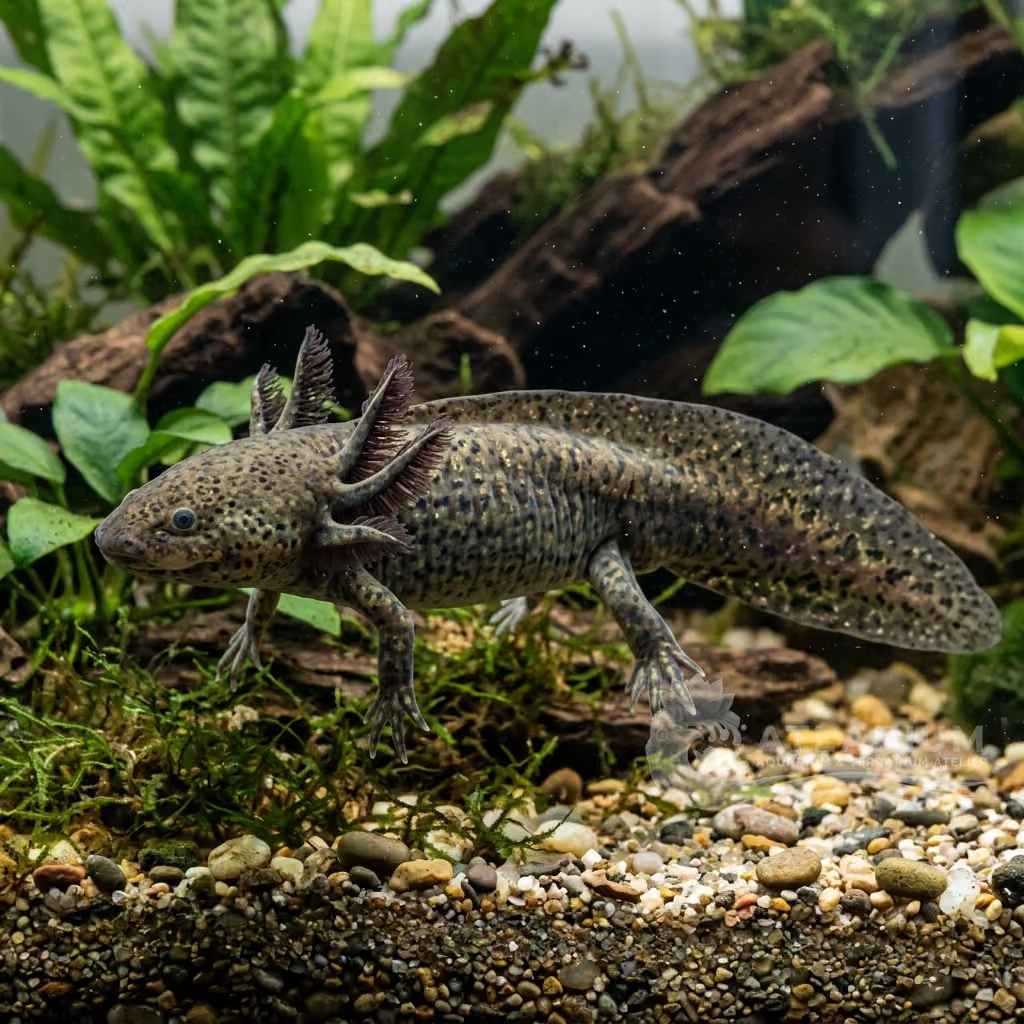
Three-toed Amphiuma
Amphiuma tridactylum
A giant aquatic salamander with a snake-like body and vestigial limbs bearing three toes. A fascinating and long-lived nocturnal predator that requires large setups with clean water and secure hides.
Environnement
Terrestre
Humidité
100 %
Température diurne
20 - 25 °C
Température nocturne
18 °C
Température ambiante
20 - 25 °C
Enclos minimal
>= 45 L

Description de l'espèce
Geographical Origin and Habitat: This species is native to the southeastern United States, primarily throughout the Mississippi River alluvial valley, extending from eastern Texas to Florida and north into Missouri. It inhabits slow-moving or stagnant aquatic environments, such as cypress swamps, muddy ponds, heavily vegetated drainage ditches, and sluggish bayous, where it spends daylight hours buried in the mud or hiding in burrows.
Taxonomy and Genetics: Belonging to the family Amphiumidae and the genus Amphiuma. Amphiuma tridactylum is characterized by having exactly three toes on each of its four vestigial limbs, an evolutionary trait resulting from partial neoteny (they retain internal gill slits but breathe using lungs). They possess one of the largest genomes of any terrestrial animal.
Behavior and Habits: Exclusively aquatic and strictly nocturnal. They spend the day concealed in underwater tunnels, emerging at night to actively hunt. They are aggressive, opportunistic predators with a powerful bite, capable of inflicting painful wounds on humans if handled carelessly or cornered.
Morphology: The body is exceptionally elongated, cylindrical, and eel-like, often exceeding 75-100 cm in length. The skin is smooth, slimy, and lacks scales, coated in a protective mucous secretion. Coloration ranges from dark grey to brownish-black on the dorsum, sharply contrasting with a light grey or whitish belly. The limbs are tiny and vestigial. The eyes are small, lidless, and covered by a thin layer of skin.

Soins, reproduction et cohabitation
Terrarium Setup: Requires a very large aquarium or aquaterrarium, with a tank capacity of at least 250-300 liters (approx. 70-80 gallons) for a single adult. Water depth should be kept at 30-40 cm. It is essential to provide large, secure hides (such as black PVC pipes or large hollow logs) and dense floating vegetation to block out light. A heavy, tight-fitting lid is mandatory, as they are strong and skilled escape artists.
Lighting and Heating: Being nocturnal and avoiding bright light, they do not tolerate high-intensity lamps. Use low-output LEDs or red nightlights for observation. UVB is not required. The water temperature should be maintained between 18°C and 24°C (64°F - 75°F). A submersible heater protected by a plastic guard is necessary during winter to prevent the animal from burning its skin.
Humidity and Hydration: As an almost entirely aquatic amphibian, a dry land area is not strictly necessary, but a small floating platform or ramp can be provided. Hydration is maintained by being submerged. The air humidity above the water level should remain high to prevent the skin from drying out if the animal surfaces.
Feeding and Supplementation: Voracious carnivore. The diet should consist of earthworms, freshwater crayfish, feeder fish (avoid goldfish due to thiaminase), large insects, and pieces of fish fillet or beef heart offered using long tongs. Dust food items with calcium and multivitamins once every two weeks before feeding.
Compatibility: Must be housed individually. They have a powerful predatory drive and territorial instinct; any fish, other amphibians, or conspecifics introduced into the tank will be attacked, torn apart, and consumed.
Health and Common Diseases: Exceptionally hardy and long-lived (can exceed 25-30 years in captivity). The primary health threat is poor water quality, which leads to skin sloughing, bacterial ulcers, or fungal infections. A heavy-duty external canister filter is required. Never handle them barehanded to avoid painful bites and to preserve their protective mucous layer.

Origine et répartition géographiques
This species is native to the southeastern United States, primarily throughout the Mississippi River alluvial valley, extending from eastern Texas to Florida and north into Missouri. It inhabits slow-moving or stagnant aquatic environments, such as cypress swamps, muddy ponds, heavily vegetated drainage ditches, and sluggish bayous, where it spends daylight hours buried in the mud or hiding in burrows.
Origine
Amérique du NordEurope, Méditerranée et Asie occidentaleAsie de l'Est

Profil d'amphibien
- Régime alimentaire
- Carnivore
- The diet of Amphiuma tridactylum consists primarily of appropriately sized prey items found in its natural habitat. In captivity, they should be offered a varied selection of live insects, worms, or small invertebrates to ensure nutritional balance. It is important to gut-load the feeder insects and occasionally dust them with high-quality calcium and vitamin supplements. Monitoring their food intake helps prevent obesity and maintains optimal health. Fresh water must always be available to aid in digestion.
- Espérance de vie
- 13-20 years
- Taille adulte
- 106 cm
- Mode de vie/microhabitat
- Aquatic
- Amphiuma tridactylum leads a specialized lifestyle adapted to the specific niches of its ecosystem, whether that involves climbing, burrowing, or swimming. Its daily routine is a delicate balance of thermoregulation, seeking out hydration, and avoiding predators. In a captive environment, replicating these microhabitats—such as providing ample climbing branches or deep substrate—is crucial for their well-being. They generally thrive when left undisturbed to carry out their natural routines. A proper setup dramatically improves their lifespan and overall vitality.
- Cycle d'activité
- Nocturnal
- The activity pattern of Amphiuma tridactylum is heavily influenced by the specific light cycle and ambient temperatures of its native range. It may be primarily diurnal, nocturnal, or crepuscular, meaning its peak activity times align with the safest and most optimal conditions for survival. During these active periods, they can be seen exploring, hunting, or patrolling their territory. Careful regulation of the enclosure's lighting and heating schedules will help maintain these natural circadian rhythms. Disruptions to this pattern can cause significant stress or lethargy.
- Sociabilité
- Solitary
- Amphiuma tridactylum is known for its fascinating and unique behavioral traits that reflect its evolutionary adaptations. Observers may notice periods of active foraging interspersed with long spells of resting or hiding. They interact with their environment carefully, using their specialized senses to navigate and detect both prey and potential threats. While some individuals can be quite shy and reclusive, others may exhibit bold and curious behavior when comfortable in their enclosure. Providing a complex habitat with plenty of enrichment is essential for expressing natural behaviors.
- Reproduction
- Oviparous
- Reproduction for Amphiuma tridactylum typically follows a seasonal pattern, often triggered by specific environmental changes such as temperature or humidity fluctuations. Mating behaviors can include complex courtship displays or specific vocalizations to attract a partner. After successful mating, the female will carefully deposit eggs or give birth, depending on the reproductive strategy of the species. Incubation or gestation periods require stable, precise conditions to ensure the healthy development of the offspring. Breeders must pay close attention to providing the right nesting environment.
- Toxicité
- Harmless
- Amphiumas do not possess poisonous skin secretions like many other amphibians. Their main defense is their powerful, sharp bite and their ability to thrash violently when handled. Caretakers must exercise extreme caution during tank maintenance to avoid painful injuries.
- Stade de vie
- Larval
- They hatch as aquatic larvae with external gills, which they lose shortly after hatching as they develop lungs. Although they lose these gills, they remain fully aquatic and never transition to a terrestrial lifestyle. They are exceptionally long-lived amphibians, often surviving for decades in optimal conditions.
- Tolérance aux manipulations
- Expert only
- Requires significant experience. They are extremely slippery and capable of delivering a surprisingly painful bite with sharp teeth if defensive.
- Brumation
- Can survive cold temperatures by slowing their metabolism, and will burrow deeply into mud to aestivate if their habitat dries up.
- Mue
- Regular
- They shed in the water, sometimes struggling against debris to pull the old layer off in one continuous piece.

Espèces associées
Recommandations regroupées par proches parents, compagnons et soins similaires.