Phantasmal poison frog
Epipedobates tricolor
The Phantasmal Poison Frog is an active, vocal amphibian originating from the Ecuadorian Andes. Renowned for its bird-like trill and bold stripes, it thrives in a well-planted, humid terrarium.
Umgebung
Terrestrisch
Luftfeuchtigkeit
70 - 90 %
Tagestemperatur
22 - 25 °C
Nachttemperatur
18 - 20 °C
Umgebungstemperatur
22 - 25 °C
Mindestgehäuse
>= 50 L

Artbeschreibung
Geographical Origin and Habitat: Epipedobates tricolor, the phantasmal poison frog, is native to the western slopes of the Andes in Ecuador, occurring in provinces such as Bolívar, Chimborazo, Cotopaxi, and Santo Domingo. It inhabits humid tropical forests, mountain streamsides, and agricultural areas like cacao and banana plantations at altitudes between 300 and 1,800 meters. It thrives in leaf litter near flowing water.
Taxonomy and Genetics: Belongs to the family Dendrobatidae. It is famous in scientific literature for producing epibatidine, an alkaloid painkiller hundreds of times more potent than morphine without the addictive properties. In captivity, these frogs lose their toxicity because their poison is derived from eating wild arthropods. Several genetic morphs exist.
Behavior and Habits: Diurnal and very active. While they lack the large adhesive toe discs found in strictly arboreal frogs, they are agile climbers that readily scale low vegetation, rocks, and mossy trunks. Males are territorial and highly vocal, producing a beautiful, loud, bird-like trilling call that can be heard throughout the day.
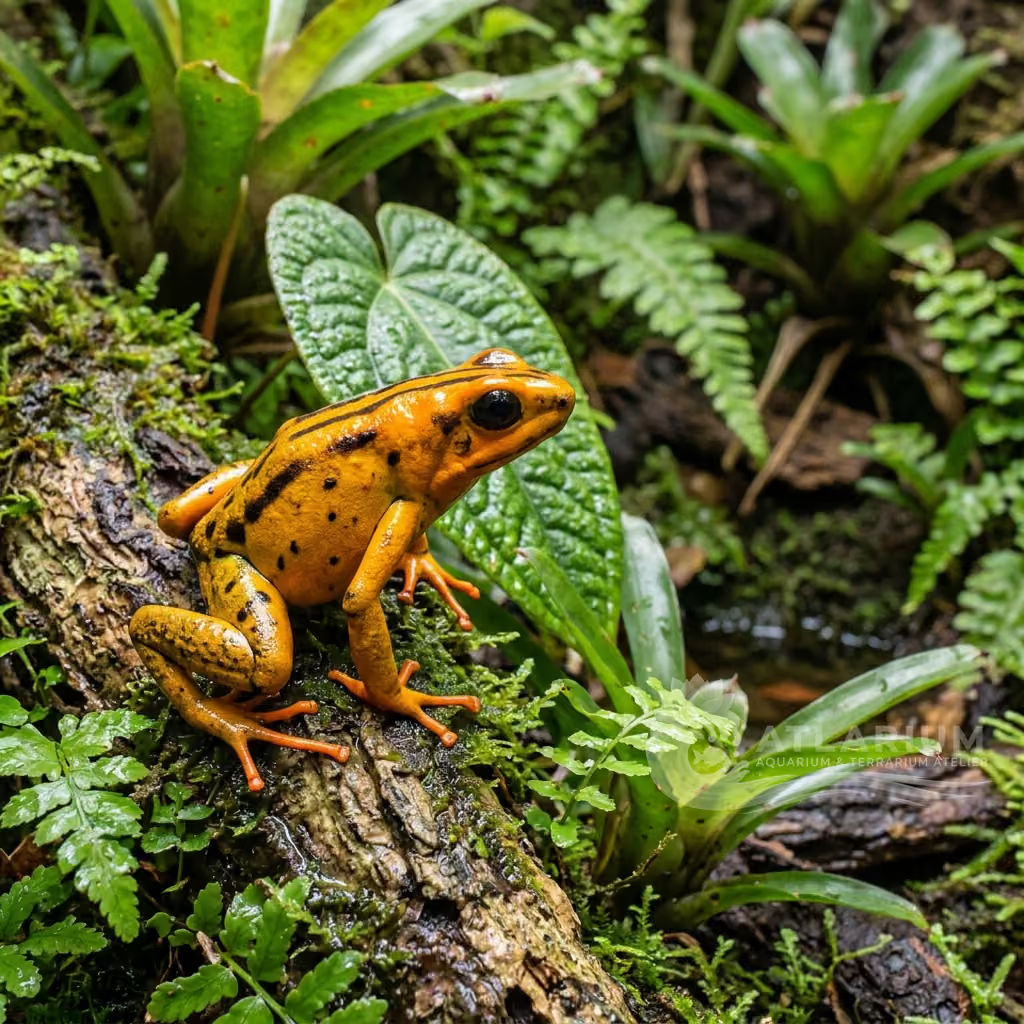
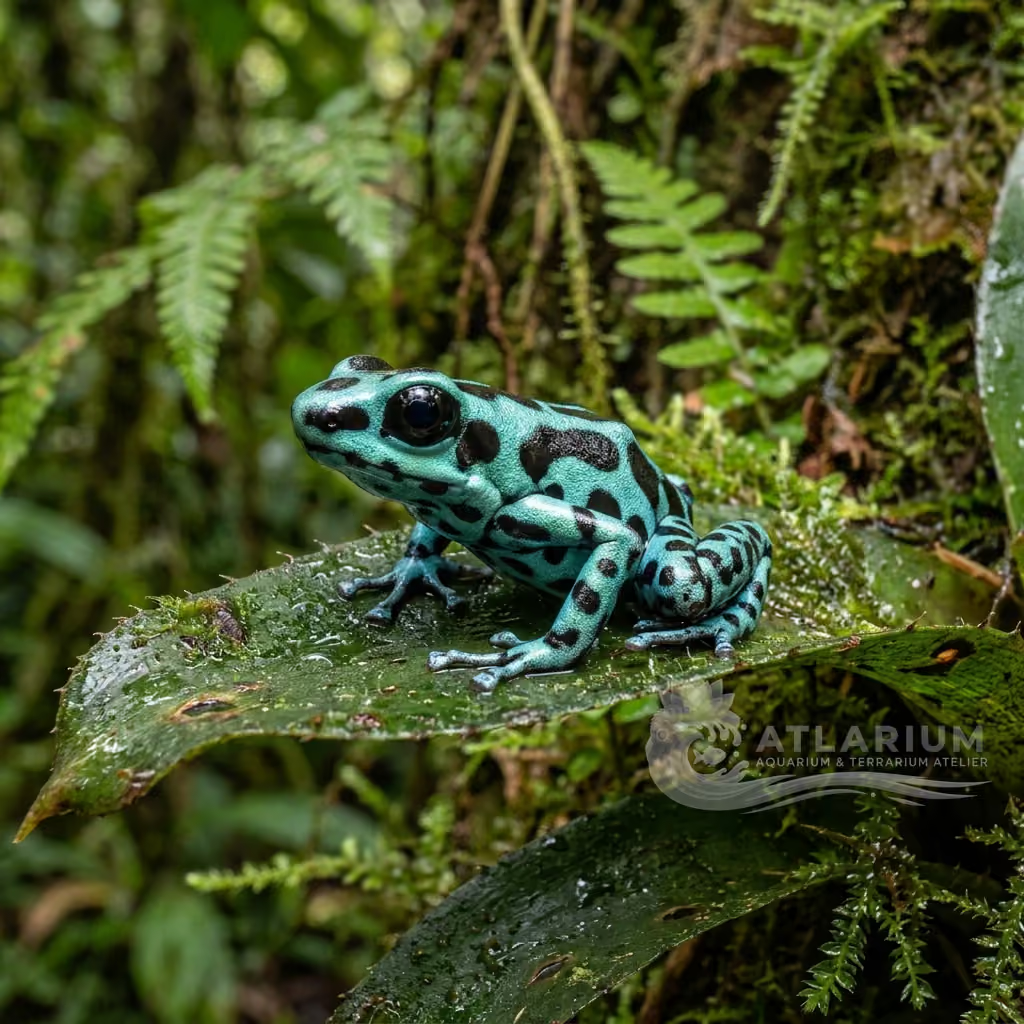
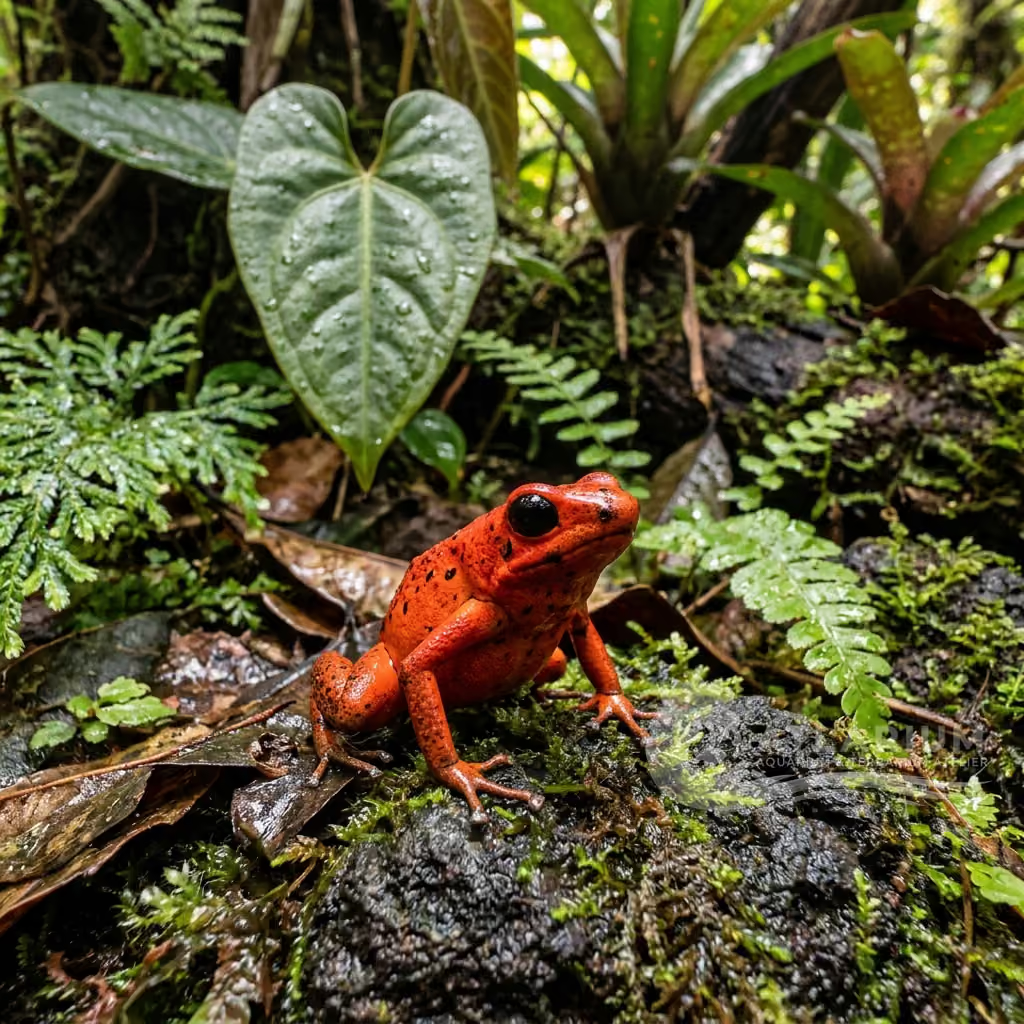
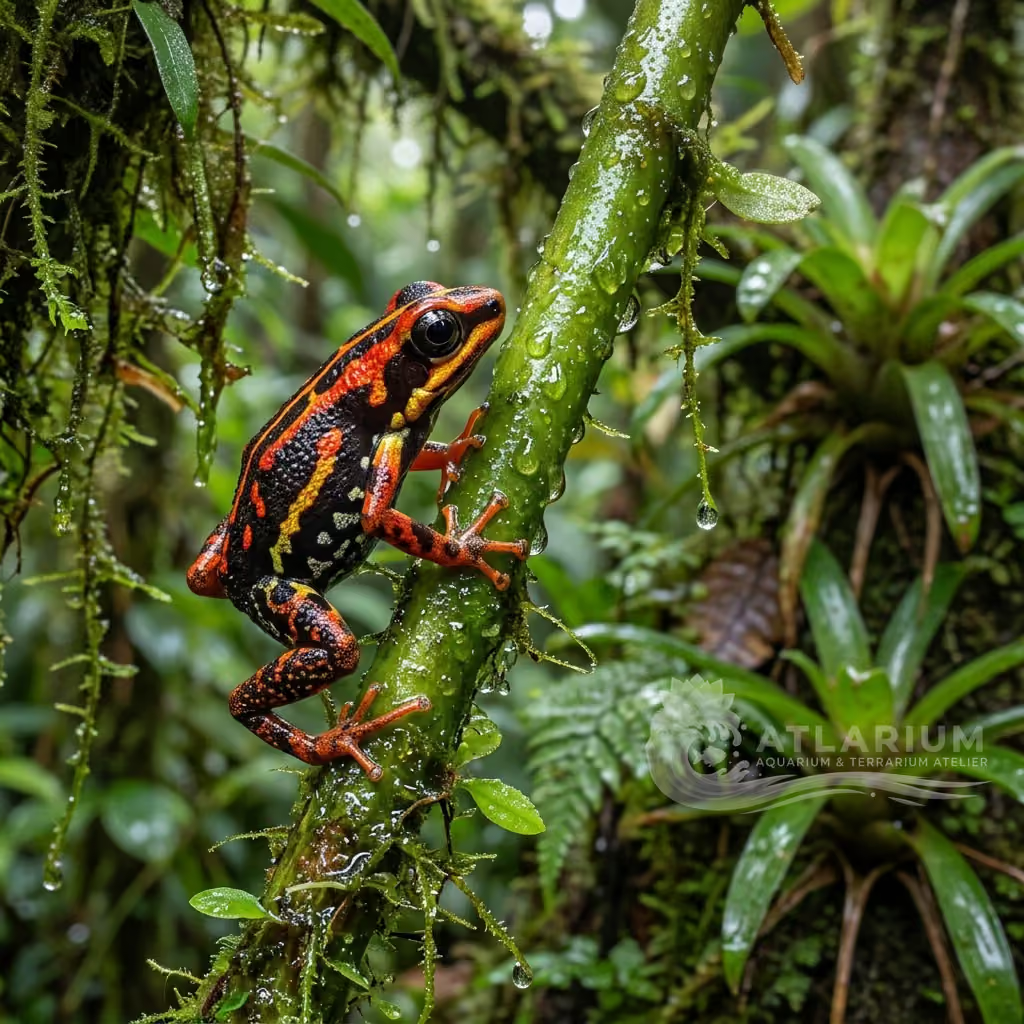
Morphology: A small species of poison frog, with adults measuring between 1.5 and 2.5 cm in total length. The coloration is striking, featuring a bright red or deep reddish-brown base color split by three longitudinal stripes of neon green, yellow, or white. The skin is smooth, and the head is wedge-shaped with large, expressive eyes.

Pflege, Zucht und Mitbewohner
Terrarium Setup: An enclosure of at least 45x45x45 cm is recommended for a small group of 3 to 4 frogs. The setup should be heavily planted with humidity-loving species like Bromeliads, Pothos, and mosses. Provide climbing branches, cork bark tubes, and a thick layer of leaf litter on the floor. A small, shallow water feature is beneficial.
Lighting and Heating: Prefers moderate temperatures between 20 °C and 25 °C. Temperatures exceeding 27 °C are highly dangerous and can be fatal to this species. Low-intensity (2-5%) UVB lighting is recommended to aid in calcium absorption, stimulate natural behavior, and support the growth of live terrarium plants.
Humidity and Hydration: Maintain relative humidity between 80% and 95%. Mist the enclosure 2 to 3 times daily with reverse osmosis or distilled water. Provide a very shallow water area (no deeper than 1 cm) or a shallow dish with fresh dechlorinated water, ensuring there is no risk of drowning for these poor swimmers.
Feeding and Supplementation: A micro-insectivore. They feed on tiny live insects such as flightless fruit flies (Drosophila), springtails, pinhead crickets, and aphids. Dust all prey items with a high-quality calcium and vitamin D3 supplement at every feeding, and include a vitamin A supplement once every two weeks.
Compatibility: Best kept in small groups with a female-biased sex ratio (e.g., 1 male to 2 females) to prevent excessive vocal competition and territorial disputes among males. Do not house with other poison frog species or different amphibians to avoid cross-infection and hybridization risks.
Health and Common Diseases: Susceptible to Metabolic Bone Disease (MBD) due to poor supplementation, skin infections from stagnant conditions, and parasitic infestations. Ensure the terrarium has good ventilation via screen vents to prevent stagnant air. Monitor new frogs closely for any signs of lethargy.

Geografische Herkunft und Verbreitung
Epipedobates tricolor, the phantasmal poison frog, is native to the western slopes of the Andes in Ecuador, occurring in provinces such as Bolívar, Chimborazo, Cotopaxi, and Santo Domingo. It inhabits humid tropical forests, mountain streamsides, and agricultural areas like cacao and banana plantations at altitudes between 300 and 1,800 meters. It thrives in leaf litter near flowing water.
Ursprung
Extra-Amazonas-SüdamerikaNordamerika

Amphibienprofil
- Diät
- Insectivore
- The diet of Epipedobates tricolor must be carefully managed to ensure optimal health and longevity. In its natural habitat, Epipedobates tricolor typically consumes a variety of specific prey items or plant matter. Captive specimens require a similarly balanced intake, often supplemented with essential vitamins and calcium. It is important to offer food that is appropriately sized to avoid choking or digestive issues. Regular monitoring of their feeding response helps in identifying any potential health problems early.
- Lebenserwartung
- 5-15 years
- Erwachsenengröße
- 2.1 cm
- Lebensstil/Mikrohabitat
- Terrestrial
- The lifestyle of Epipedobates tricolor varies greatly depending on whether they are terrestrial, arboreal, aquatic, or semi-aquatic. Designing an enclosure that accommodates their specific mode of living is essential for their physical and mental health. This includes providing the right substrate, climbing branches, or water features as needed. A proper setup allows Epipedobates tricolor to exercise, hide, and thermoregulate effectively. Understanding their lifestyle choices helps in creating a thriving captive environment.
- Aktivitätszyklus
- Diurnal
- The activity pattern of Epipedobates tricolor typically dictates when they feed, explore, and rest. Depending on their biology, they may be predominantly active during the day, night, or twilight hours. Replicating appropriate lighting and temperature cycles is crucial for maintaining their natural rhythm. Disruptions to this schedule can lead to stress and a decline in the health of Epipedobates tricolor. Keepers should try to interact with them during their most active periods to minimize disturbance.
- Sozialität
- Solitary
- The behavior of Epipedobates tricolor is deeply influenced by its natural instincts and environment. These creatures exhibit unique social and territorial behaviors that must be respected in captivity. Providing a habitat that mimics their wild surroundings can greatly reduce stress and encourage natural activities. Epipedobates tricolor may show specific defensive or communicative displays when interacting with its environment. Observing these behaviors is key to understanding their overall well-being and comfort.
- Reproduktion
- Oviparous
- Reproduction in Epipedobates tricolor requires specific environmental triggers such as temperature and humidity changes. Breeding these animals in captivity can be challenging and often demands a dedicated setup. Once successful mating occurs, careful attention must be given to the incubation of eggs or the care of live young. The offspring of Epipedobates tricolor are usually fragile and require highly specific conditions to thrive. Keepers must thoroughly research their reproductive cycle to achieve positive breeding results.
- Toxizität
- Harmless
- In the wild, this species produces epibatidine, an incredibly potent alkaloid toxin with painkilling properties far stronger than morphine. The toxins are completely derived from their wild diet and serve as a formidable defense against predation. Since captive-bred individuals are fed a non-toxic diet of domestic insects, they are perfectly harmless to handle.
- Lebensphase
- Metamorphosis
- The aquatic tadpoles feed on algae and detritus, developing rapidly in the warm tropical waters. After a few weeks of development, they undergo a complete metamorphosis and emerge onto land as tiny, fully-formed frogs. They grow very quickly after leaving the water and can reach adulthood in under a year.
- Handhabungstoleranz
- Display only
- They must not be handled. Though captive-bred specimens are harmless, their delicate skin easily absorbs dangerous human skin secretions and soap residues.
- Brumation
- Originating from the Andean slopes in Ecuador, they prefer slightly cooler temperatures (65-75°F) than most dart frogs, but do not undergo brumation.
- Häutung
- Periodic
- They regularly shed and eat their own skin to retain nutrients and prevent fungal growth. Very high humidity and excellent ventilation are mandatory.

Verwandte Arten
Empfehlungen gruppiert nach nahen Verwandten, Auswahl von Begleitern und ähnlicher Betreuung.