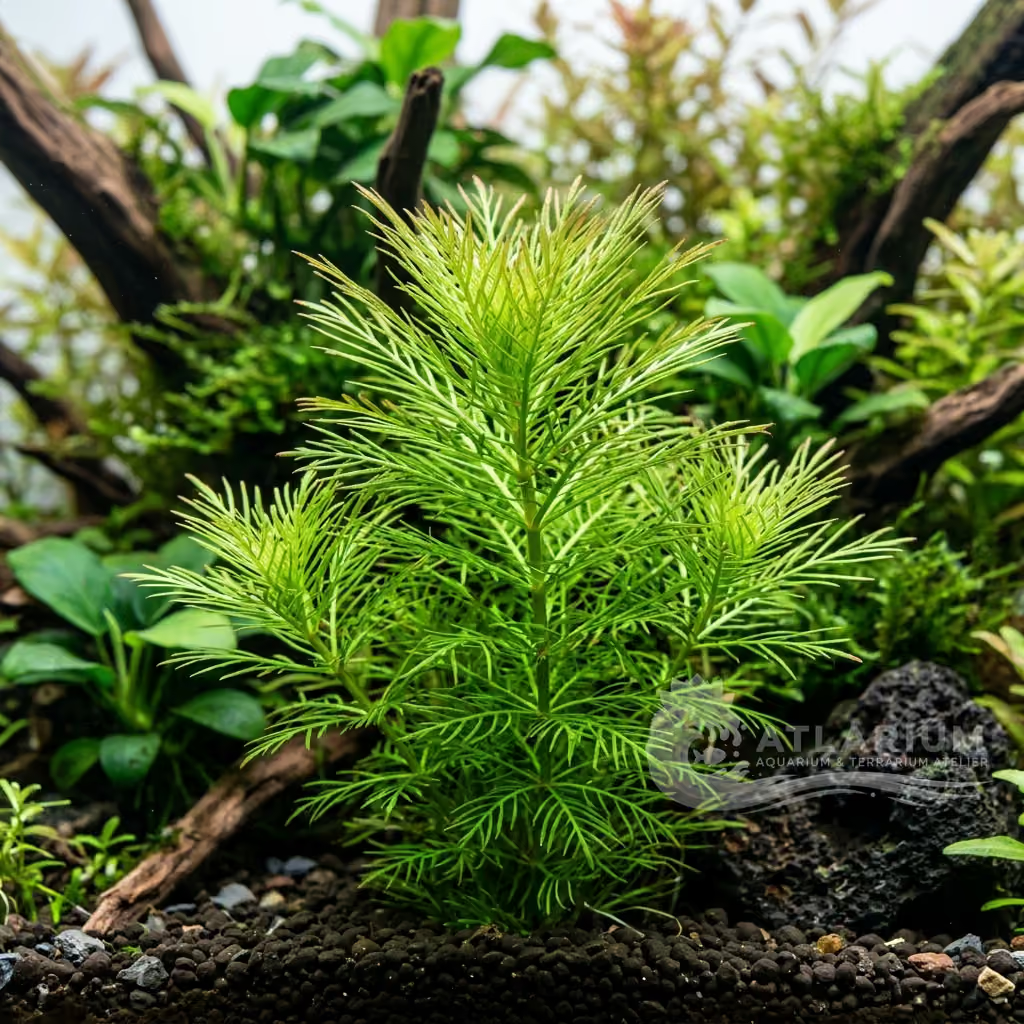
Microsorum pteropus 'Trident'
Microsorum pteropus 'Trident'
Microsorum pteropus 'Trident' is a cultivated variety of Java Fern, highly prized for its unique foliage and remarkable hardiness in the aquarium. It is an ideal midground plant that thrives in a wide range of conditions, making it suitable for both novice and experienced aquascapers.
Temperatura da água
4 - 30 °C
Valor de pH
5 - 7.5
Tipo de água
Água doce
Luz
Low to High
CO2
Alta
KH
0 - 10 dKH

Descrição da espécie
Geographical Origin and Habitat: While the wild species Microsorum pteropus originates from the tropical and subtropical regions of Southeast Asia, where it typically grows attached to submerged wood and rocks in streams, the 'Trident' variety is a horticultural cultivar. This specific form does not occur naturally but is the result of selective breeding to achieve its distinct morphological characteristics. Consequently, it is a highly domesticated plant, perfectly adapted to a fully submerged aquatic life in aquariums.
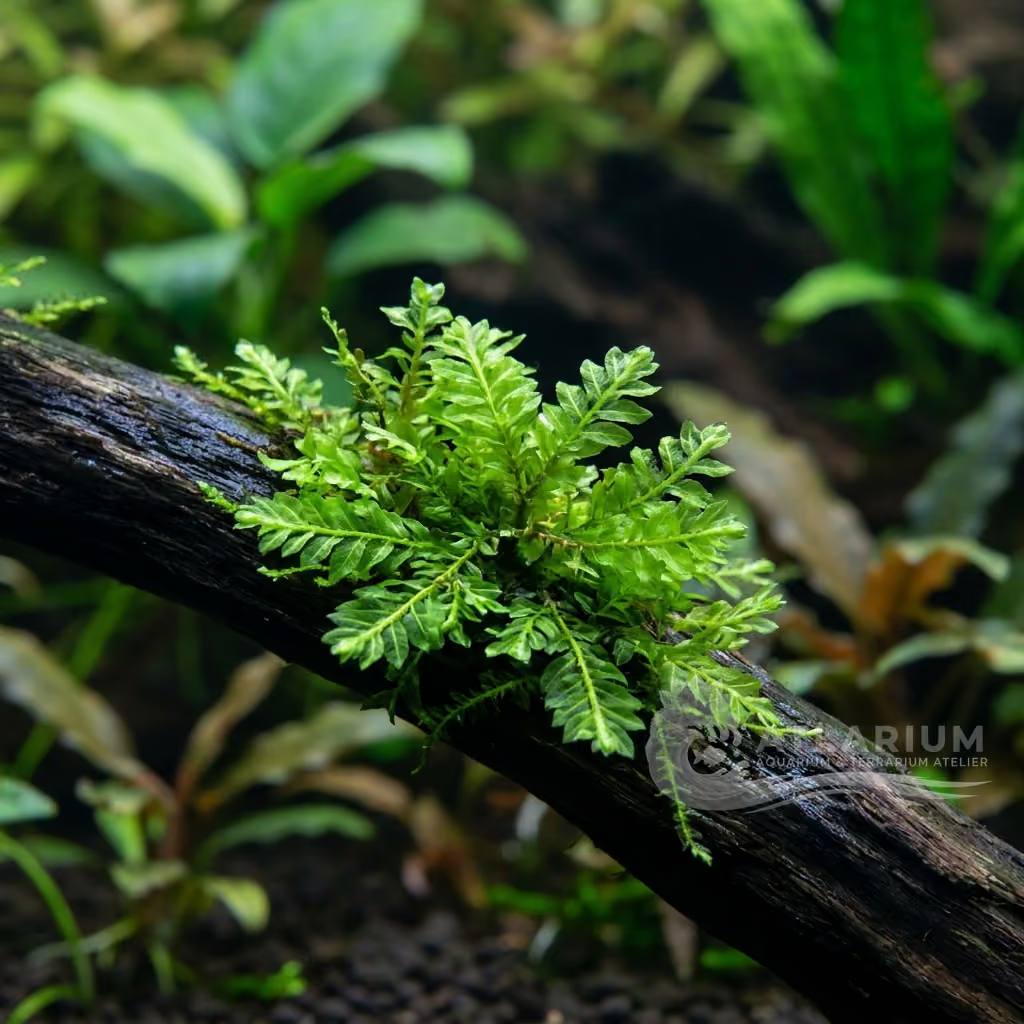
Taxonomy & Genetics: Microsorum pteropus 'Trident' belongs to the Polypodiaceae family, a large group of ferns characterized by creeping rhizomes and reproduction via spores. As a cultivar, 'Trident' is a stable mutation or selection derived from the type species Microsorum pteropus. Its 'Trident' designation refers to the peculiar shape of its fronds, which branch into three or more distinct lobes, setting it apart significantly from the entire or weakly lobed leaves of the wild form.
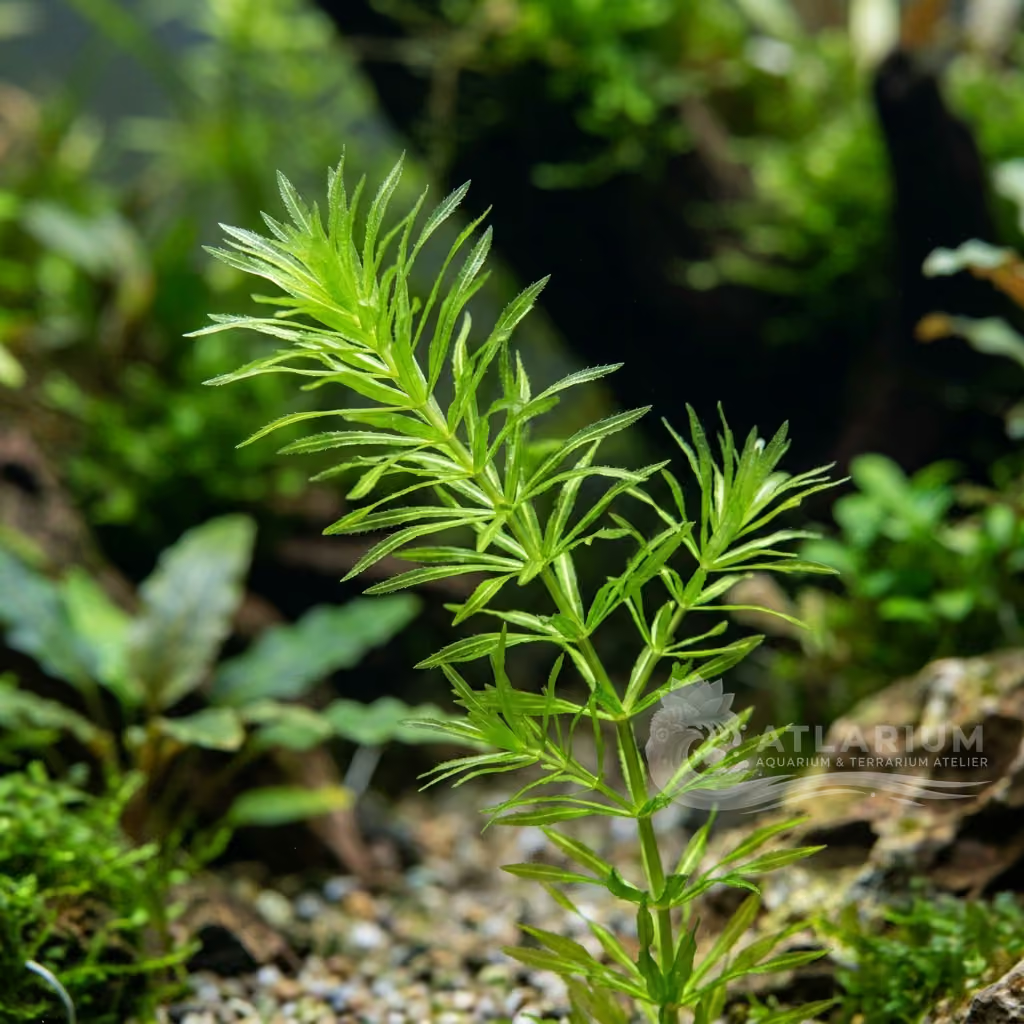
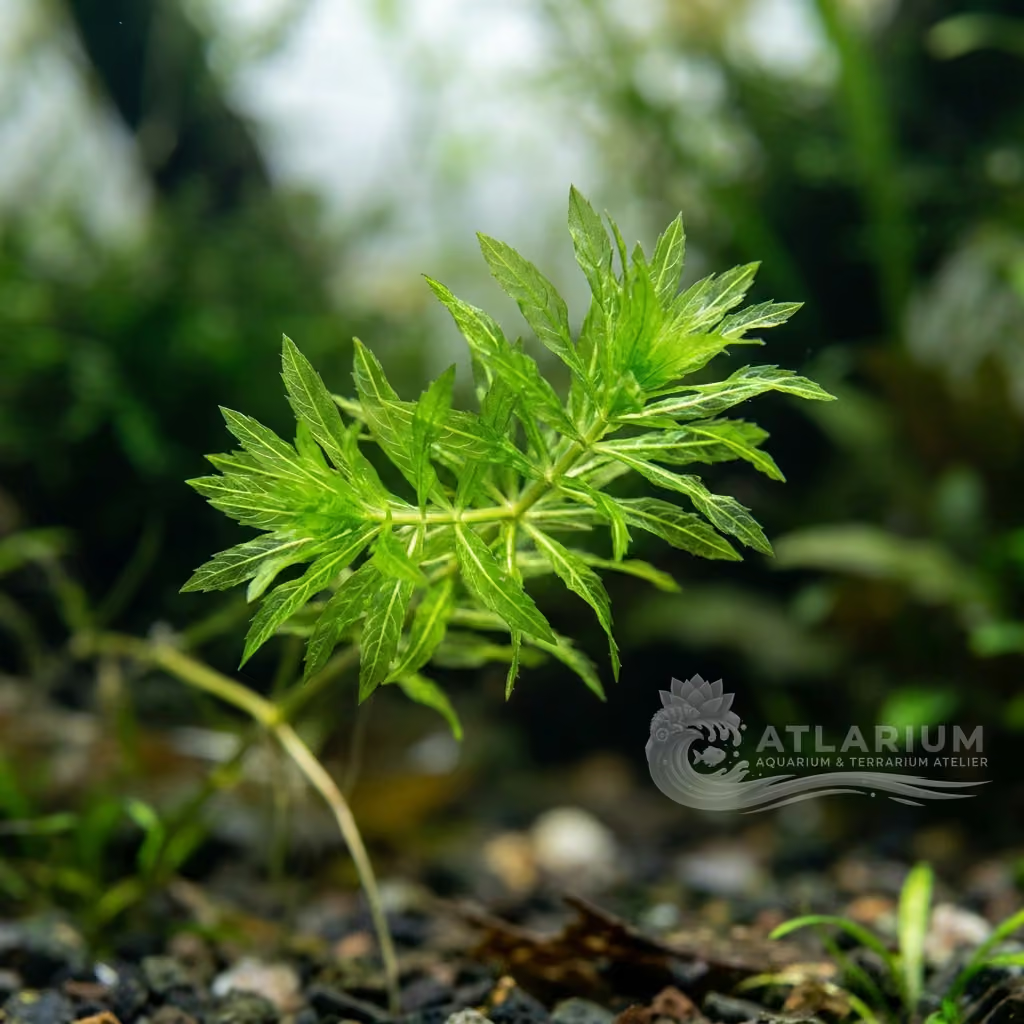
Physical Structure: The physical structure of Microsorum pteropus 'Trident' is defined by a thick, creeping rhizome, from which thin roots emerge to anchor firmly to surfaces, and the distinctive fronds unfurl. The fronds, which are the most characteristic feature, display a much more branched and narrower shape compared to the nominal variety, resembling a trident or small deer antlers. Each leaf can reach considerable size, contributing to a bushy yet orderly appearance within the aquarium.
Color & Texture: The color of 'Trident' fronds ranges from a bright, vibrant green in younger leaves to a deeper, darker green as they mature. The texture is generally smooth and slightly leathery, imparting an inherent resilience to the plant. The multiple, narrow ramifications of the leaves create a visual effect of greater complexity and delicacy compared to the broader forms of traditional Java fern, adding an elegant detail to the aquascape.

Cuidado, criação e companheiros de tanque
Lighting & CO2: Microsorum pteropus 'Trident' is exceptionally tolerant regarding lighting, flourishing well under both low and high light conditions. Under higher light, growth might accelerate slightly, and leaf color could appear more vibrant, but excessive intensity without adequate CO2 and nutrients can lead to algae growth on the leaves. While CO2 injection is not strictly necessary for its survival, it will stimulate more vigorous growth and larger leaves, contributing to optimal overall health.
Nutrition & Substrate: As an epiphytic plant, Microsorum pteropus 'Trident' absorbs most of its nutrients directly from the
Water Chemistry: This fern exhibits remarkable flexibility regarding water parameters, tolerating a wide temperature range from 4.0 to 30.0 C, although stability around 20-26 C is optimal for consistent growth. The pH can also vary between 5.0 and 7.5, and carbonate hardness (KH) from 0.0 to 10.0, indicating great adaptability to diverse water conditions. Maintaining clean, well-oxygenated water is often more critical than achieving precise values, as long as they fall within the specified ranges.
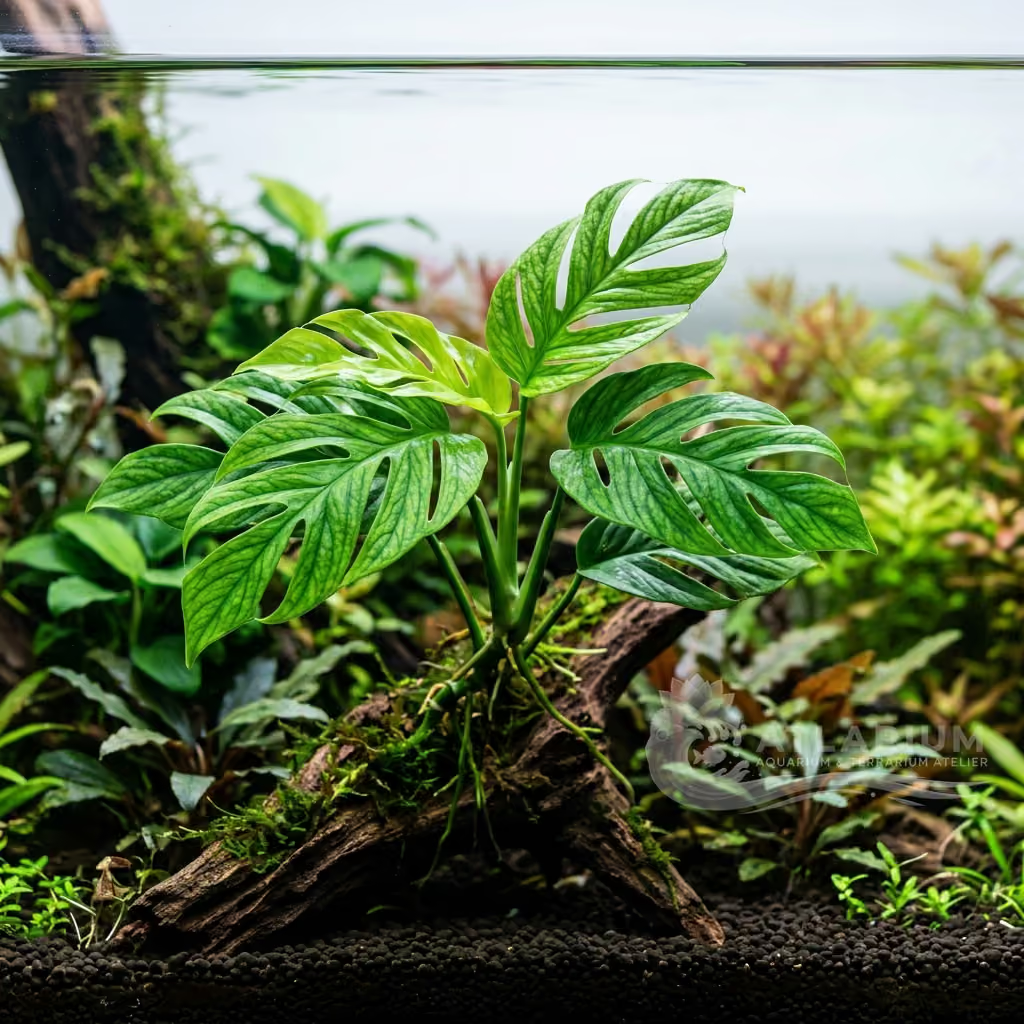
Space Management & Placement: Given its slow growth rate and preference for attachment to hardscape, Microsorum pteropus 'Trident' is an excellent choice for midground placement. Its medium size and branched foliage create an interesting focal point without overwhelming the tank space. It can be utilized to add detail to driftwood, fill gaps between rocks, or create natural transitions between different sections of the aquarium, while also providing shelter for smaller fish species.
Pruning: Pruning of Microsorum pteropus 'Trident' is generally minimal and primarily performed for aesthetic purposes or to manage size. Older or damaged leaves, which may show signs of decay or algae, can be removed by cutting them at the base of the rhizome with sharp scissors. This encourages the growth of new fronds and improves the overall health of the plant, preventing the accumulation of decomposing organic matter.
Risks & Diseases: Microsorum pteropus 'Trident' is a robust plant, but it is not immune to problems. The most significant risk is rhizome rot if it is buried in the substrate, a condition that rapidly leads to its demise. Leaves may develop black spots or holes if there is a deficiency in potassium or other micronutrients. Algal infestations, particularly brush or hair algae, can occur on older leaves or in aquariums with nutrient imbalances and excessive light.

Origem e distribuição geográfica
While the wild species Microsorum pteropus originates from the tropical and subtropical regions of Southeast Asia, where it typically grows attached to submerged wood and rocks in streams, the 'Trident' variety is a horticultural cultivar. This specific form does not occur naturally but is the result of selective breeding to achieve its distinct morphological characteristics. Consequently, it is a highly domesticated plant, perfectly adapted to a fully submerged aquatic life in aquariums.
Origem
Sul e Sudeste AsiáticoMelhoramento seletivo e cultivares

Perfil da planta
- Posicionamento
- Plano intermediário
- Best attached to hardscape materials like rocks, driftwood, or specialized plant weights. It is incredibly versatile and can be used in the midground or background to add sweeping textures. The rhizome must remain above the substrate to ensure the plant's survival.
- Forma botânica
- Rizoma
- Features narrow, deeply lobed leaves that often split into three or more points, resembling a trident. The foliage is elegant, arching, and a bright, vibrant green. It develops a creeping rhizome from which the intricate, ribbon-like leaves emerge in dense clusters.
- Crescimento
- Lenta
- Grows at a moderate pace, slightly faster than many other Java fern varieties. It quickly forms dense, sweeping bushes when provided with adequate nutrients and flow. The growth is manageable and does not require constant maintenance.
- Substrato
- Nenhuma
- The 'Trident' fern is an obligate epiphyte that relies on its intricate network of dark roots strictly for attachment, rather than nutrient uptake from the soil. Any attempt to plant its horizontal rhizome into a substrate will lead to rot and eventual loss of the plant. It flourishes when nestled into the forks of driftwood or attached to rocks, extracting all its needed trace elements directly from the moving water.
- Fertilização de coluna
- Recomendada
- Feeds entirely through its leaves and exposed root system in the water column. Regular dosing of a complete liquid fertilizer will keep the plant healthy and vibrant. Ensure good water circulation so nutrients are continuously available to the dense foliage.
- Fertilização radicular
- Nenhuma
- Root tabs are ineffective because the plant is an epiphyte that should never be buried. The dark roots function merely as holdfasts to grip hard surfaces. Substrate fertilization is completely unnecessary for its successful cultivation.
- Corte
- Ocasional
- Maintenance involves removing older, larger, or damaged leaves by cutting them close to the rhizome. Thinning out the dense growth occasionally helps maintain water flow and light penetration to the inner parts of the clump. Never trim the tips of the leaves, as they will turn black and die back.
- Propagação
- Estacas
- Readily propagated by dividing the rhizome into smaller pieces with a sharp pair of scissors. It also prolifically produces adventitious plantlets on the tips and margins of mature leaves. These tiny ferns can be carefully plucked off and attached to new locations.
- Sensibilidade
- Moderada
- Very hardy and tolerant of varying light and water conditions, making it ideal for beginners. It is susceptible to cyanobacteria or brush algae if flow is poor and organics are high. Always avoid burying the rhizome, as this is the most common cause of failure.
- Função de layout
- Epífita, Plano intermediário
- Excellent for creating a sense of flow and movement in the aquascape due to its arching, narrow leaves. It fits perfectly into crevices of wood or stone, softening hard edges. It is a staple in Nature Aquariums for creating lush, weeping textures in the midground.

Espécies relacionadas
Recomendações agrupadas por parentes próximos, escolhas de acompanhantes e cuidados semelhantes.