Lindernia rotundifolia 'Variegated'
Lindernia rotundifolia
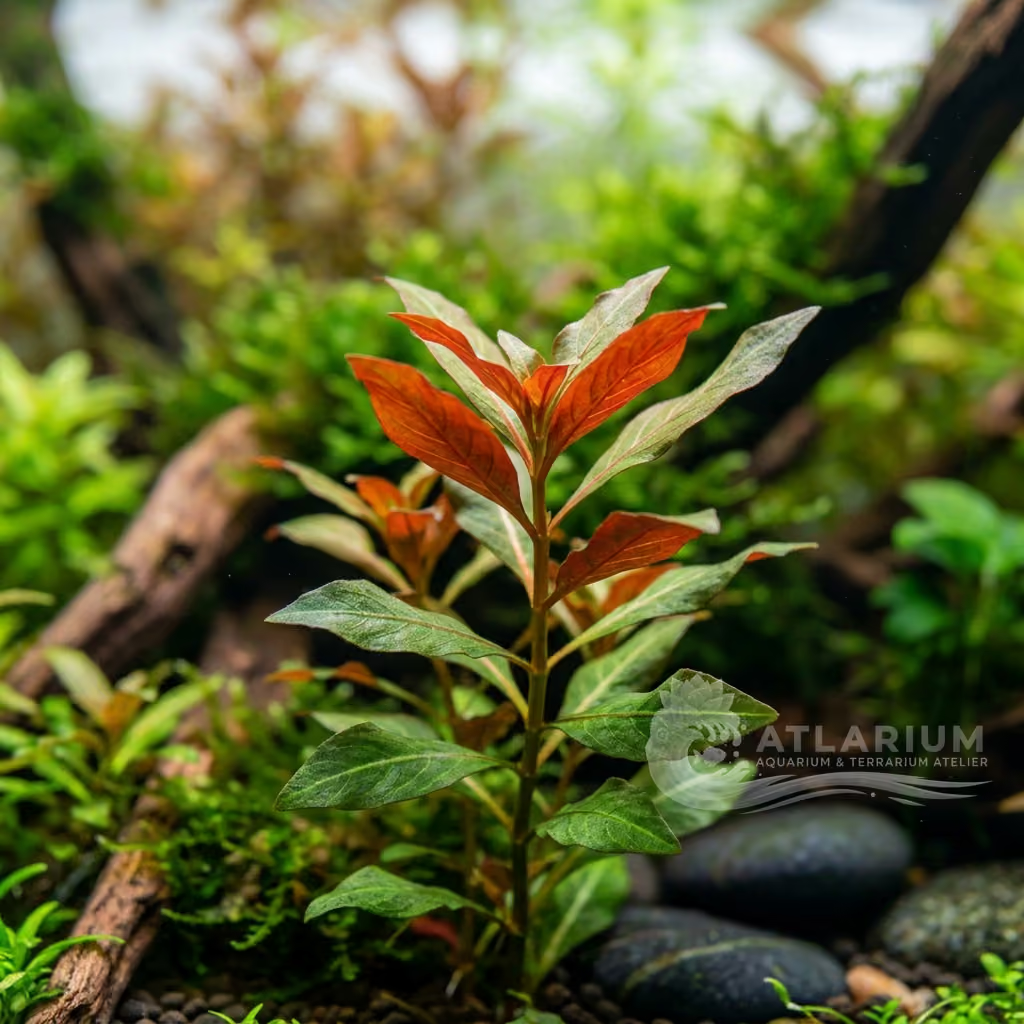
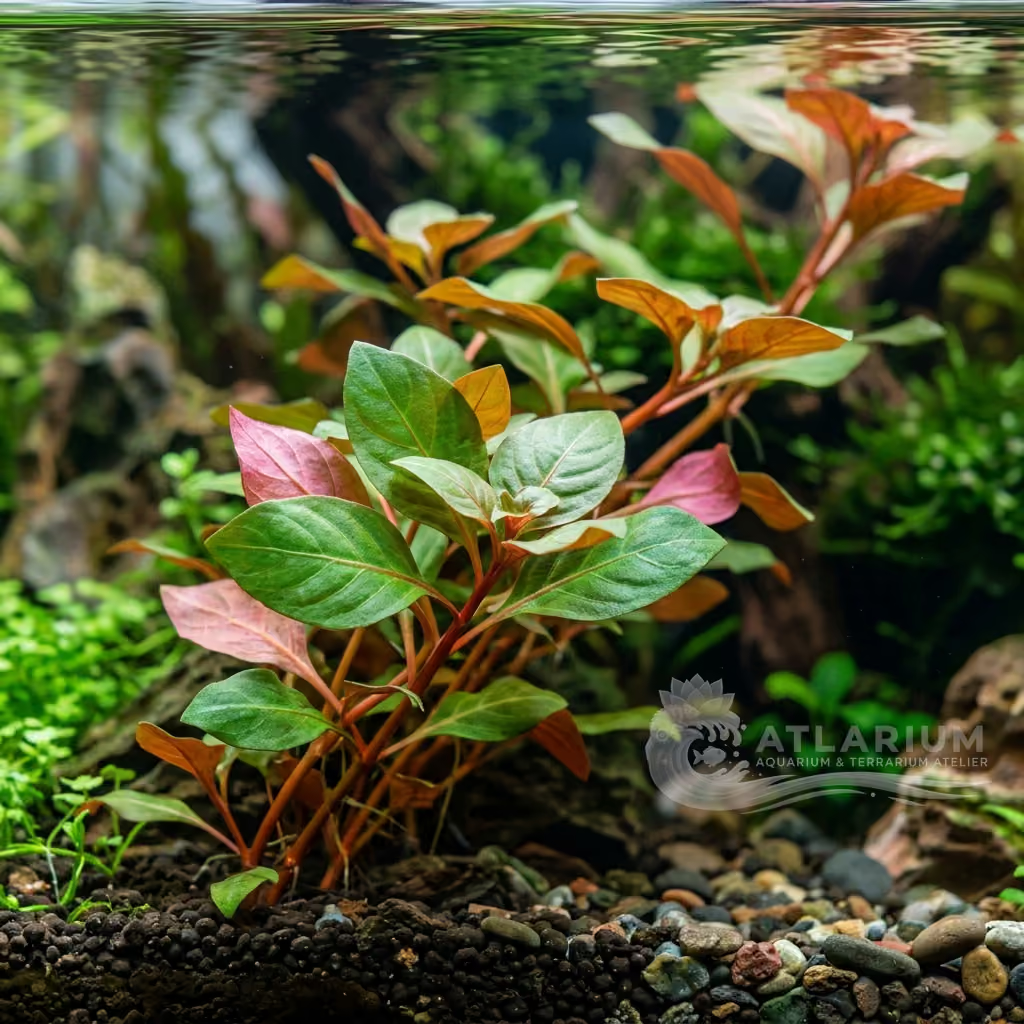
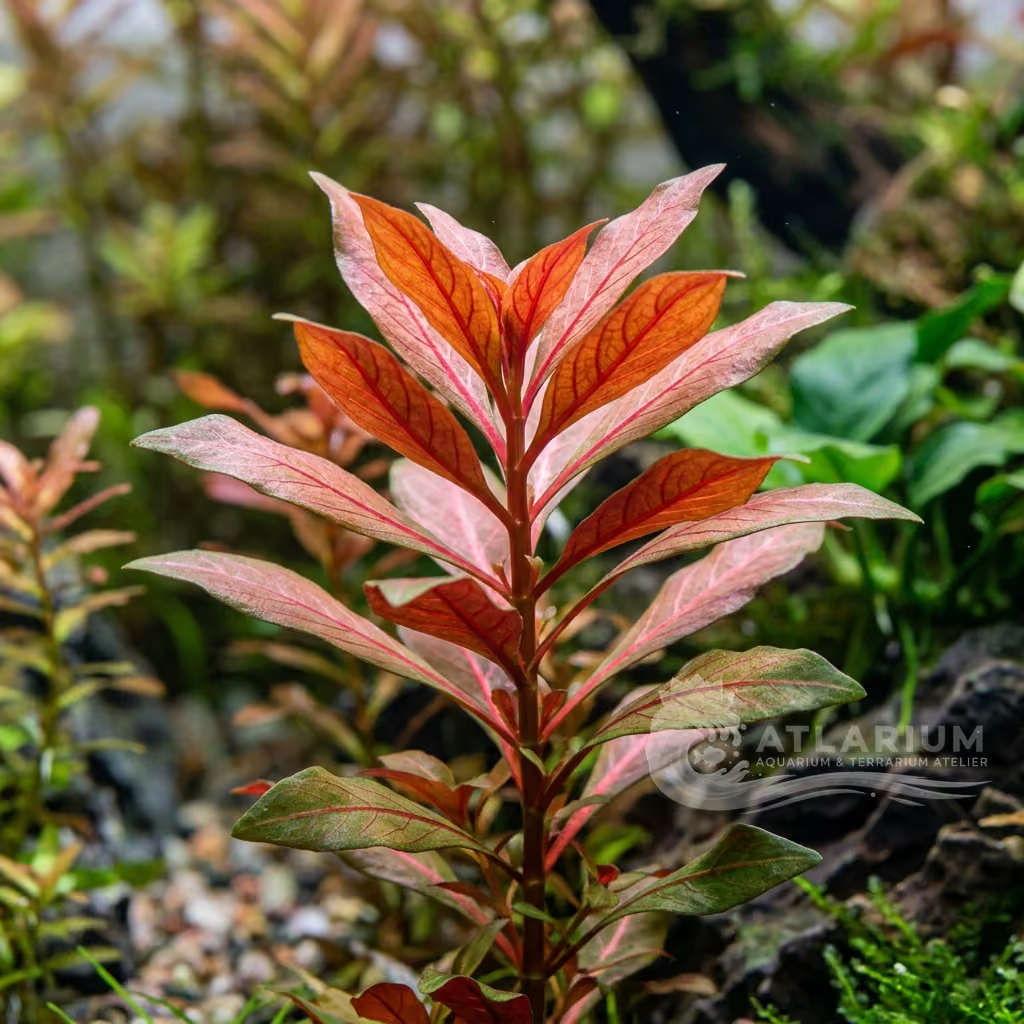
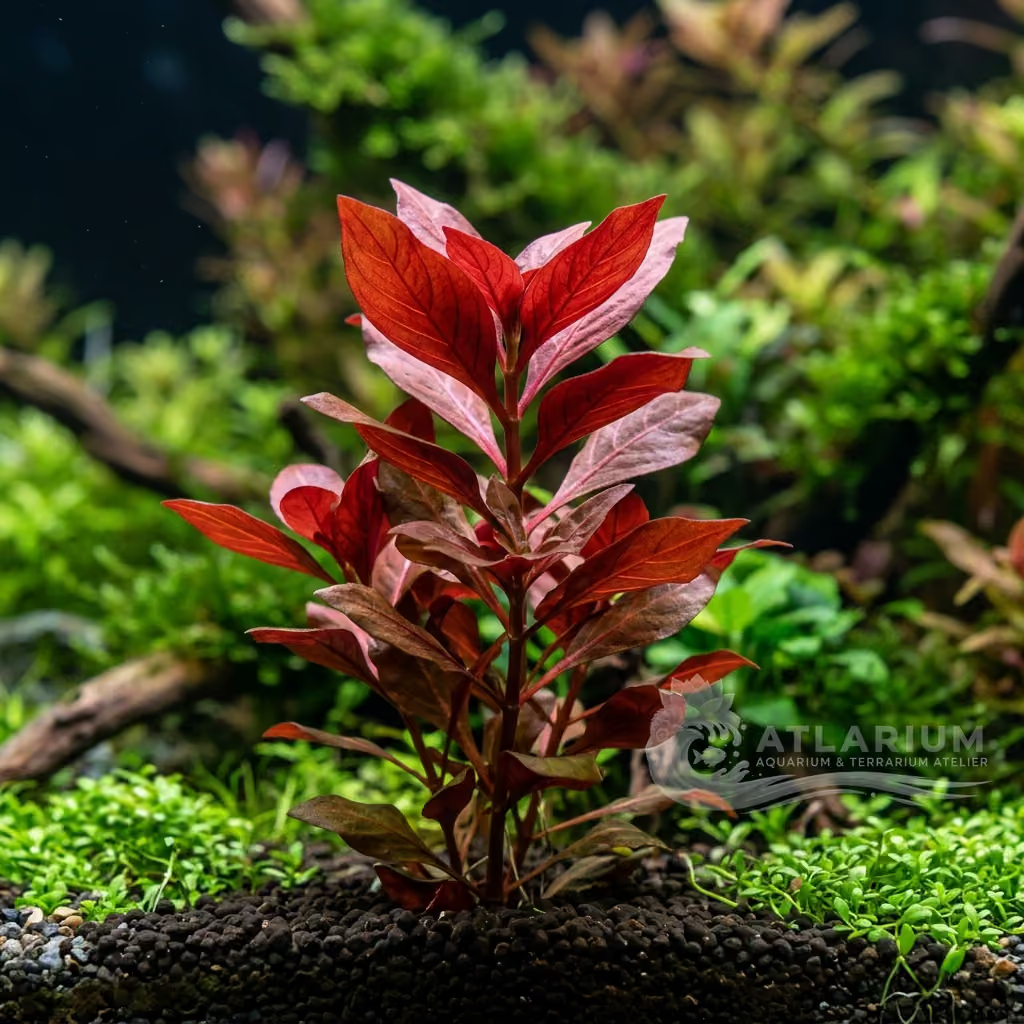
Lindernia rotundifolia 'Variegated' boasts striking white and green marbled leaves. It requires intense light and CO2 to keep its beautiful chimera variegation vivid.
Temperatura da água
4 - 34 °C
Valor de pH
5 - 8
Tipo de água
Água doce
Luz
Média - Alta
CO2
Alta
Altura esperada
20 cm
KH
0 - 14 dKH

Descrição da espécie
Geographical Origin and Habitat: Lindernia rotundifolia 'Variegated' is a horticultural cultivar selected from the nominate species, which originates from the warm regions of Africa and Asia. There is no wild population with this variegation, as it is a genetic mutation stabilized and propagated within commercial aquatic plant nurseries. The biological reference habitat remains the tropical marshland, characterized by warm, nutrient-rich, and brightly lit waters.
Taxonomy & Genetics: The cultivar belongs to the Linderniaceae family and is a variegated form of Lindernia rotundifolia. The variegation is caused by a genetic chimera or a plastid mutation that inhibits chlorophyll production in specific parts of the leaf tissue. This trait requires strictly vegetative propagation via cuttings, as sexual reproduction from seeds would not pass the variegation to offspring.
Physical Structure: It shares the same morphological structure as the wild type, featuring upright or creeping stems that reach 15-25 cm in height. The leaves are sessile, opposite, and rounded, though the tissues are slightly more delicate in the non-chlorophyllous areas. The root system is equally active, generating adventitious roots from any stem node touching the substrate or suspended in water.
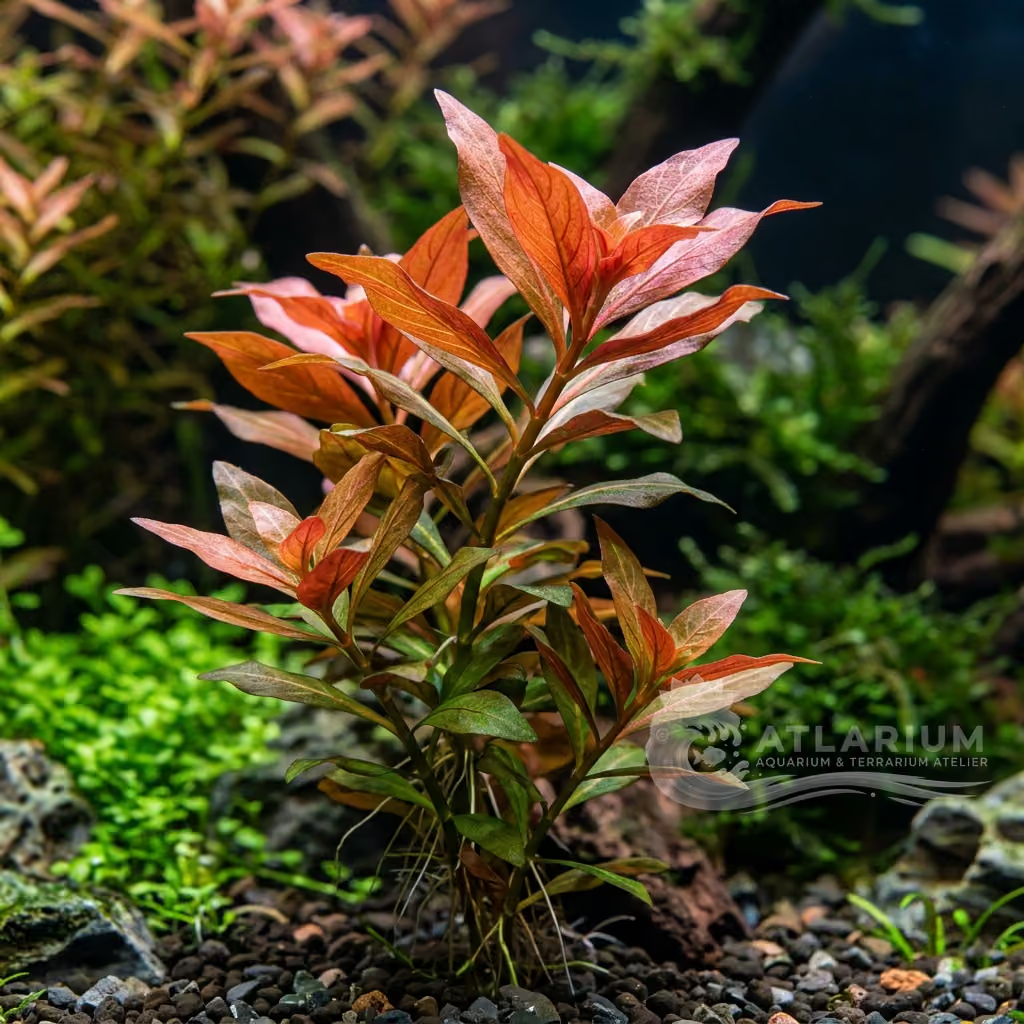
Color & Texture: The defining feature is the beautiful variegation of its leaves: the surface exhibits longitudinal creamy-white or light yellow stripes against an emerald-green background, creating a highly decorative marbled effect. Under intense light, the variegation becomes sharper and more contrasted. The leaf texture is soft and fine, making this cultivar an eye-catching focal point.

Cuidado, criação e companheiros de tanque
Lighting & CO2: Requires intense lighting to maintain strong variegation; in low-light conditions, the plant tends to produce more chlorophyll, losing its white stripes and reverting to green. CO2 (15-20 mg/L) is highly recommended to support photosynthesis, which is limited by the white depigmentated areas.
Nutrition & Substrate: A soft, fertile substrate is ideal for rapid growth.
Water Chemistry: Retains the broad tolerance of the wild form, with pH 5.0 to 8.0, KH 0 to 14 dKH, and temperatures from 4°C to 34°C. However, due to the delicate nature of the white leaf portions, maintaining stable temperatures between 20°C and 26°C is recommended.
Space Management & Placement: Perfect for the foreground or midground in dense groups. Being bright, it draws attention and is ideal for creating focal points. It should be positioned in areas of the aquarium where it will not be shaded by broad-leaved or faster-growing species.
Pruning: Pruned by cutting stems above a leaf node. Removed tips can be replanted to expand the group. It is important to trim away any stems showing a reversion to purely green coloration to prevent them from outcompeting the variegated shoots.
Risks & Diseases: The white parts of the leaves, lacking chlorophyll, are inherently weaker and more susceptible to mechanical damage and algae colonization. Under poor lighting or nutrient deficiency, variegation may fade, or leaves may exhibit localized necrosis in depigmented zones.

Origem e distribuição geográfica
Lindernia rotundifolia 'Variegated' is a horticultural cultivar selected from the nominate species, which originates from the warm regions of Africa and Asia. There is no wild population with this variegation, as it is a genetic mutation stabilized and propagated within commercial aquatic plant nurseries. The biological reference habitat remains the tropical marshland, characterized by warm, nutrient-rich, and brightly lit waters.
Origem
Melhoramento seletivo e cultivaresÁfrica e MadagascarSul e Sudeste Asiático

Perfil da planta
- Posicionamento
- Primeiro plano
- It is a perfect midground plant where its unique pattern can draw the eye. Planting it in a dedicated group maximizes the visual impact of its variegated leaves. It stands out exceptionally well against dark green or red plants.
- Forma botânica
- Caule
- This cultivar retains the small, round, opposite leaves of the original species but features stunning light green or white marbling. The stems are upright and orderly. Under intense lighting, the variegation becomes much more pronounced.
- Crescimento
- Rápida
- Its growth rate is slightly slower than the standard L. rotundifolia, as the lack of chlorophyll in variegated areas limits photosynthesis. Providing CO2 injection will help maintain a steady, healthy growth pace. High light is essential to keep the plant compact and the patterns distinct.
- Substrato
- Média
- The variegated variety of Lindernia rotundifolia appreciates a nutrient-rich substrate to support the metabolic demands associated with its unique, striking leaf patterns. Its delicate root system favors porous aquatic soils or fine sands that allow for unimpeded root branching and efficient nutrient uptake. Establishing the plant in a substrate bed of at least 2 inches ensures stable anchorage and continuous access to iron and trace elements vital for maintaining its variegation. While adaptable, a dedicated, fertilized bottom layer will yield the healthiest, most vibrant foliage.
- Fertilização de coluna
- Recomendada
- Regular dosing of liquid fertilizers is highly recommended. Ensure a good supply of trace elements, especially iron, to prevent the white areas from browning or decaying. Consistent feeding keeps the entire stem looking pristine.
- Fertilização radicular
- Opcional
- A nutrient-rich substrate, such as a quality aquasoil, provides a strong foundation. Root tabs can be added periodically to support robust stem and leaf development. Healthy roots translate to better stress resistance for this delicate variant.
- Corte
- Ocasional
- Trim the plant similarly to other stem plants by cutting the tops. The lower portions will produce side shoots, creating a denser bush. Replanting the tops is a great way to spread this beautiful pattern throughout your layout.
- Propagação
- Estacas
- Propagation is simple via stem cuttings. Take a healthy top cutting and plant it carefully in the substrate. It will soon develop its own root system and continue the variegated growth.
- Sensibilidade
- Moderada
- Variegated plants are generally more sensitive to low light conditions. If light is insufficient, the plant may revert to solid green or slowly perish. It also prefers stable water parameters and clean water to prevent algae on its pale leaves.
- Função de layout
- group, Primeiro plano, Plano intermediário, Nano
- This plant serves as a unique accent or focal point in the midground. Its striking marbled leaves add a rare, bright texture to the aquascape. It is particularly valued in detailed layouts where subtle color variations are desired.

Espécies relacionadas
Recomendações agrupadas por parentes próximos, escolhas de acompanhantes e cuidados semelhantes.