Lindernia rotundifolia
Lindernia rotundifolia
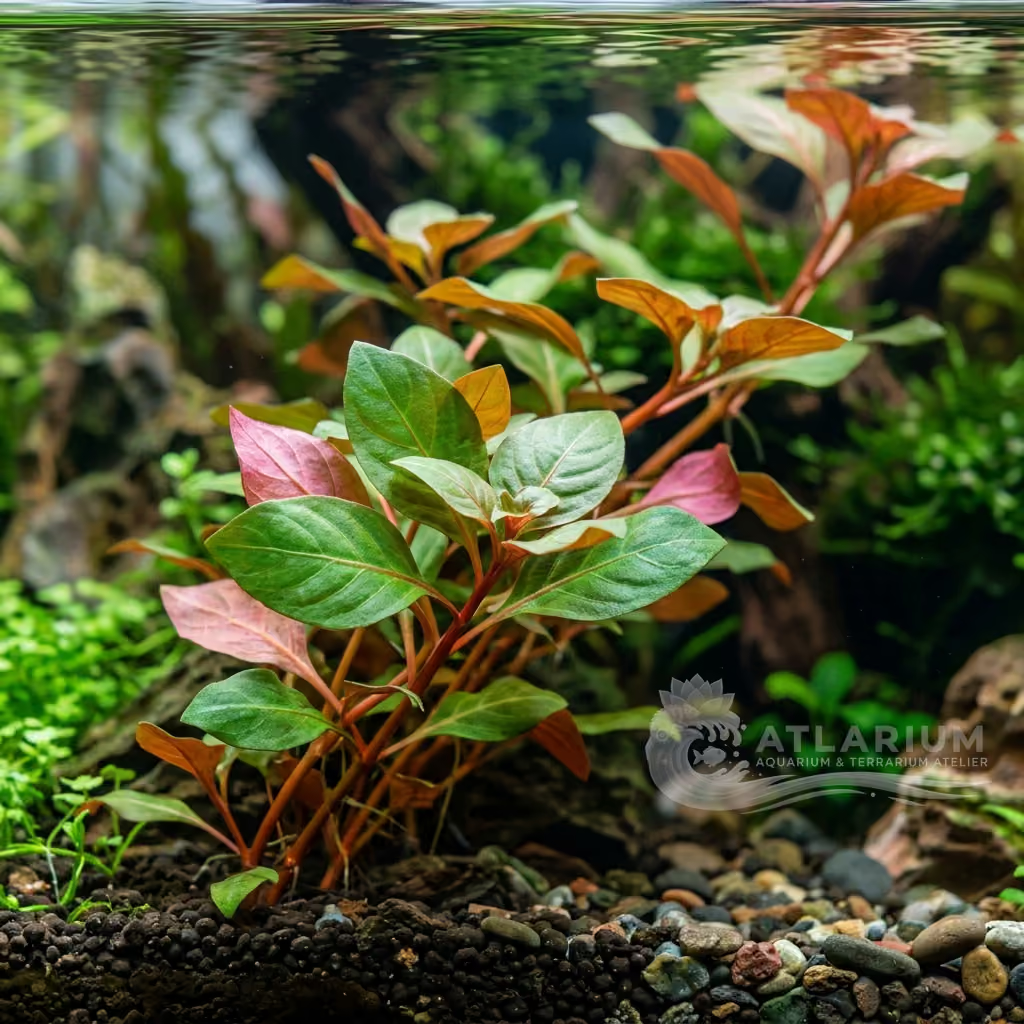
Lindernia rotundifolia has thin, creeping stems and round leaves. Highly adaptable, it prefers moderate-high lighting to maintain a low habit and delicate visual contrast.
Temperatura da água
4 - 34 °C
Valor de pH
5 - 8
Tipo de água
Água doce
Luz
Média - Alta
CO2
Alta
Altura esperada
15 cm
KH
0 - 14 dKH

Descrição da espécie
Geographical Origin and Habitat: Lindernia rotundifolia is widely distributed across the tropical and subtropical regions of Africa, Asia, and South America, where it colonizes humid and muddy environments. It is commonly found at the edges of rice paddies, ditches, muddy riverbanks of slow-moving streams, and seasonal marshes. As a highly adaptable pioneer species, it can withstand dry periods by growing in a prostrate emersed form, converting rapidly into an aquatic submerged plant with the arrival of monsoon rains.
Taxonomy & Genetics: Classified within the Linderniaceae family, Lindernia rotundifolia shares with its congenerics a genetic heritage geared toward metabolic flexibility. Phylogenetic studies indicate a strong affinity with other marsh herbs of the Lamiales order. Genetic variability within the species has allowed the development of ornamental cultivars, although the wild form remains one of the hardiest and easiest to cultivate in hobbyist aquariums.
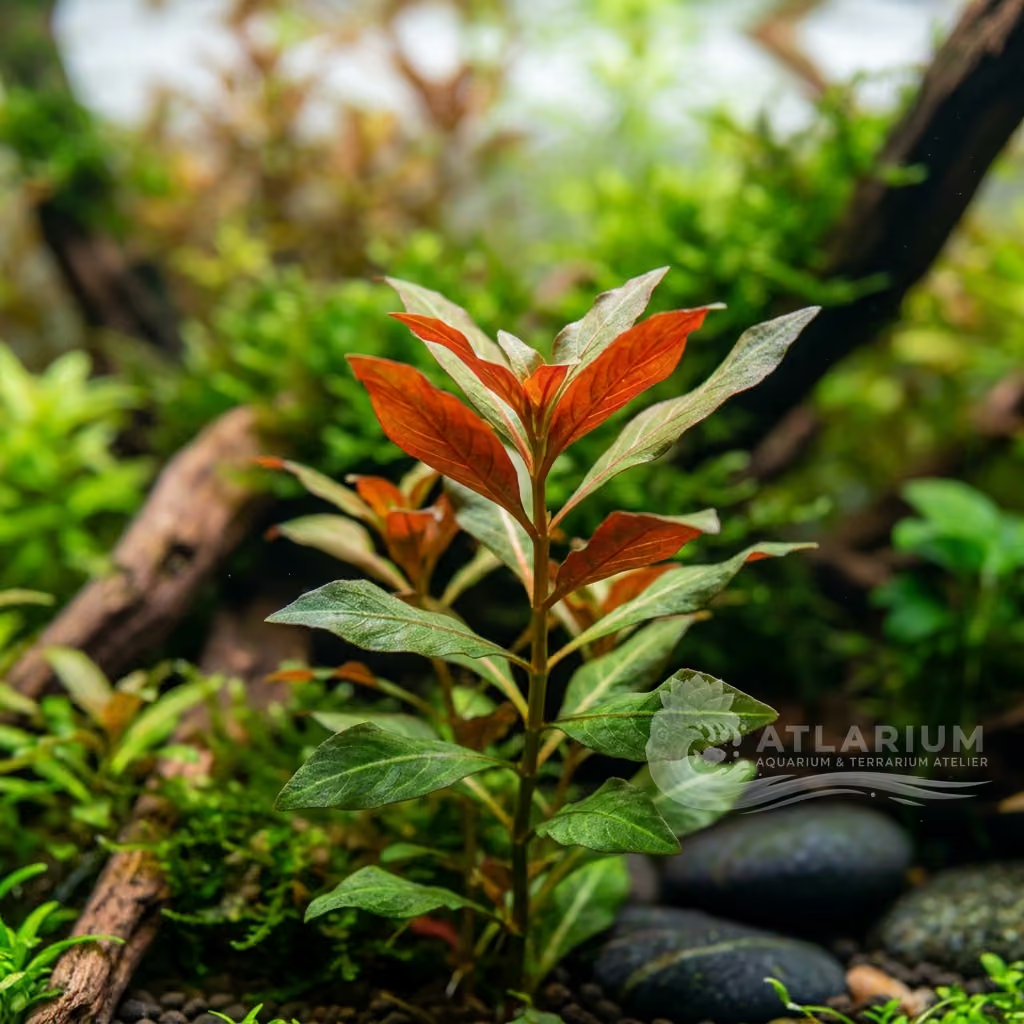
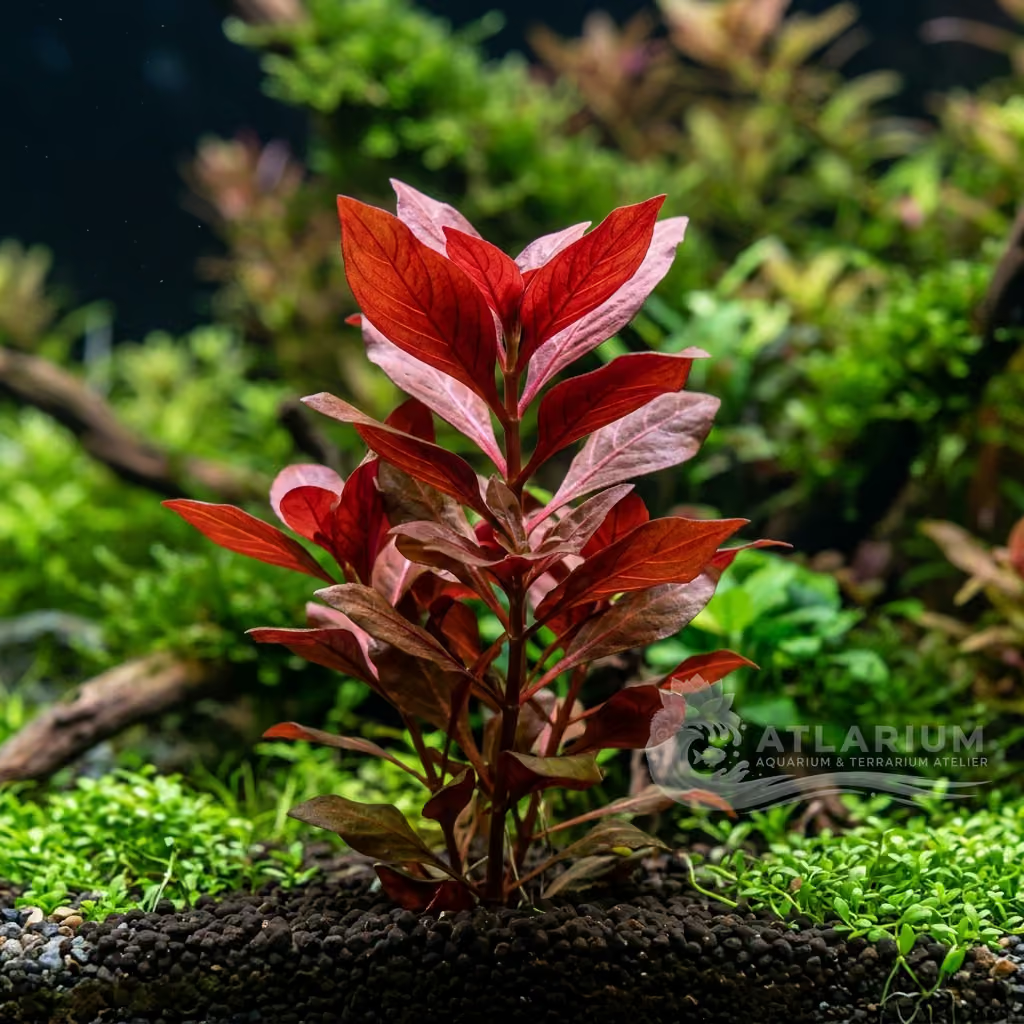
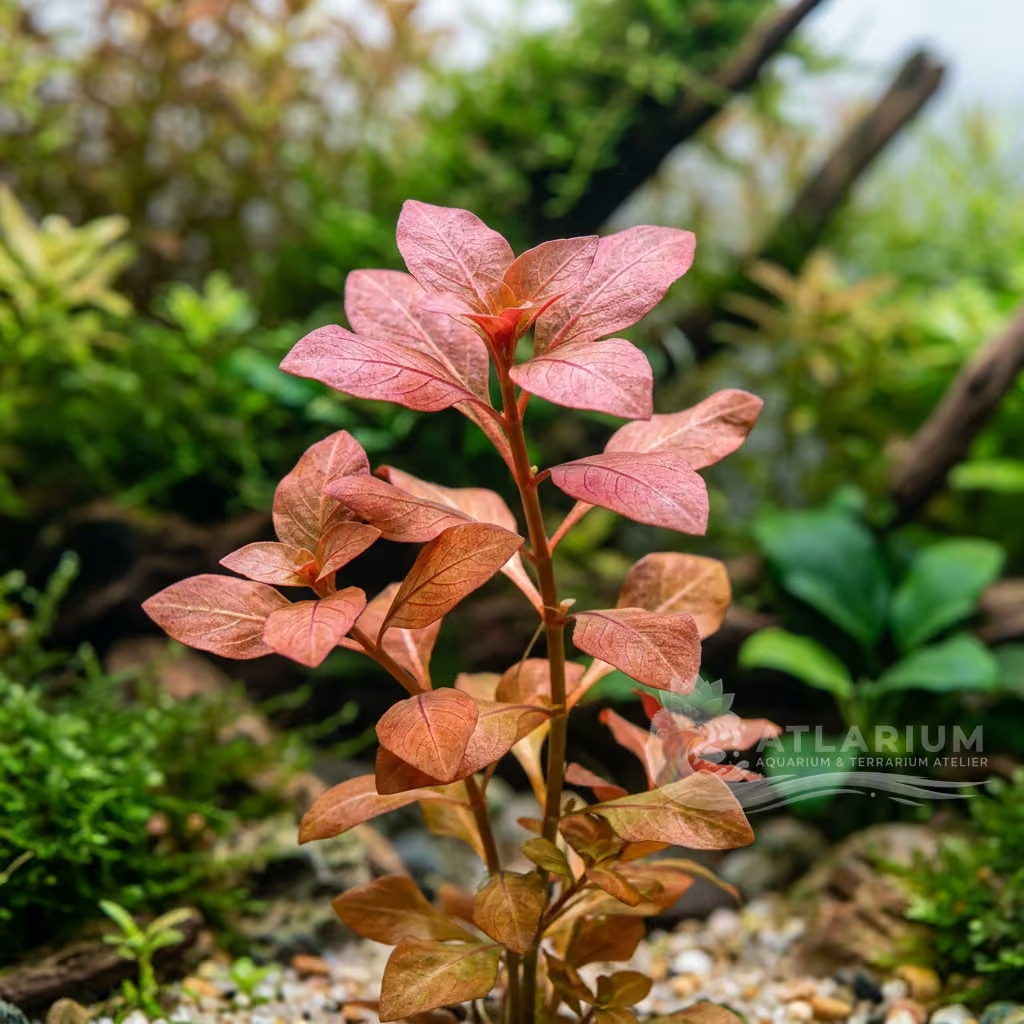
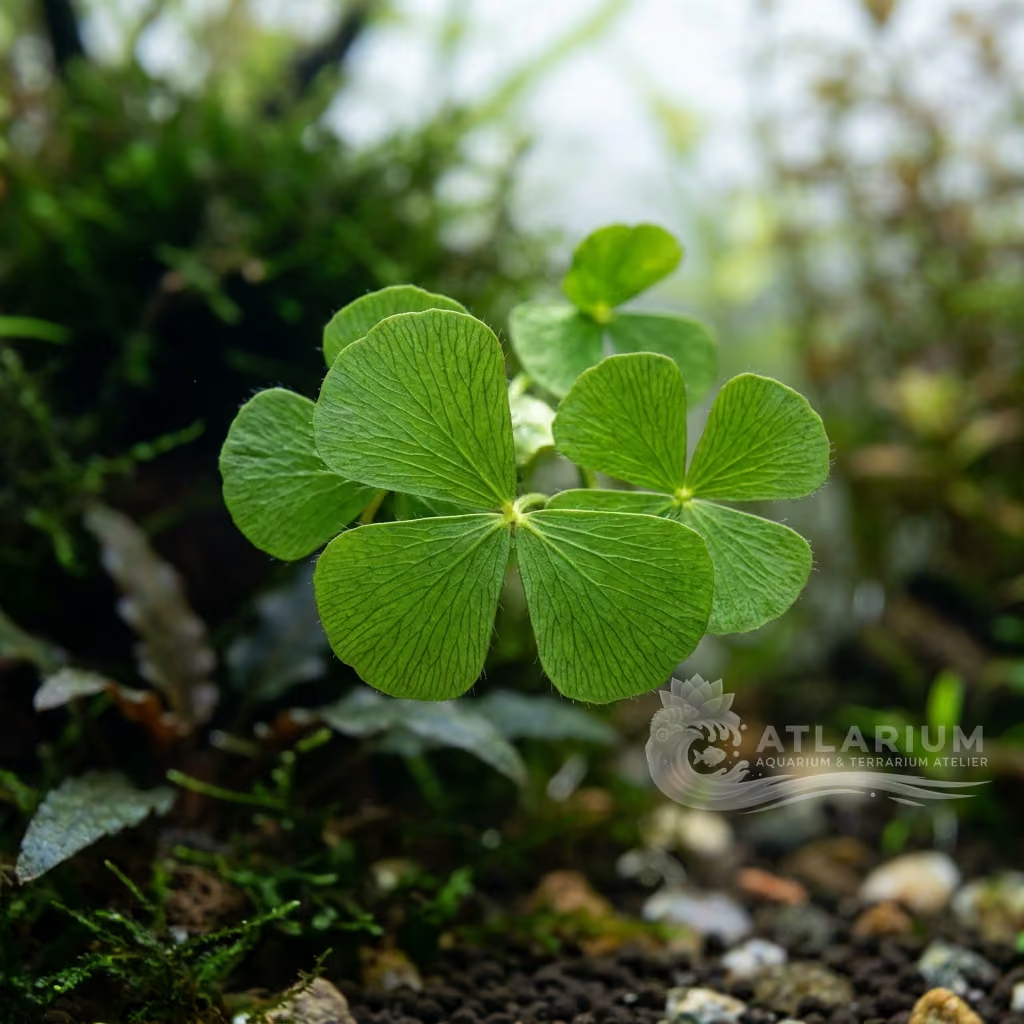
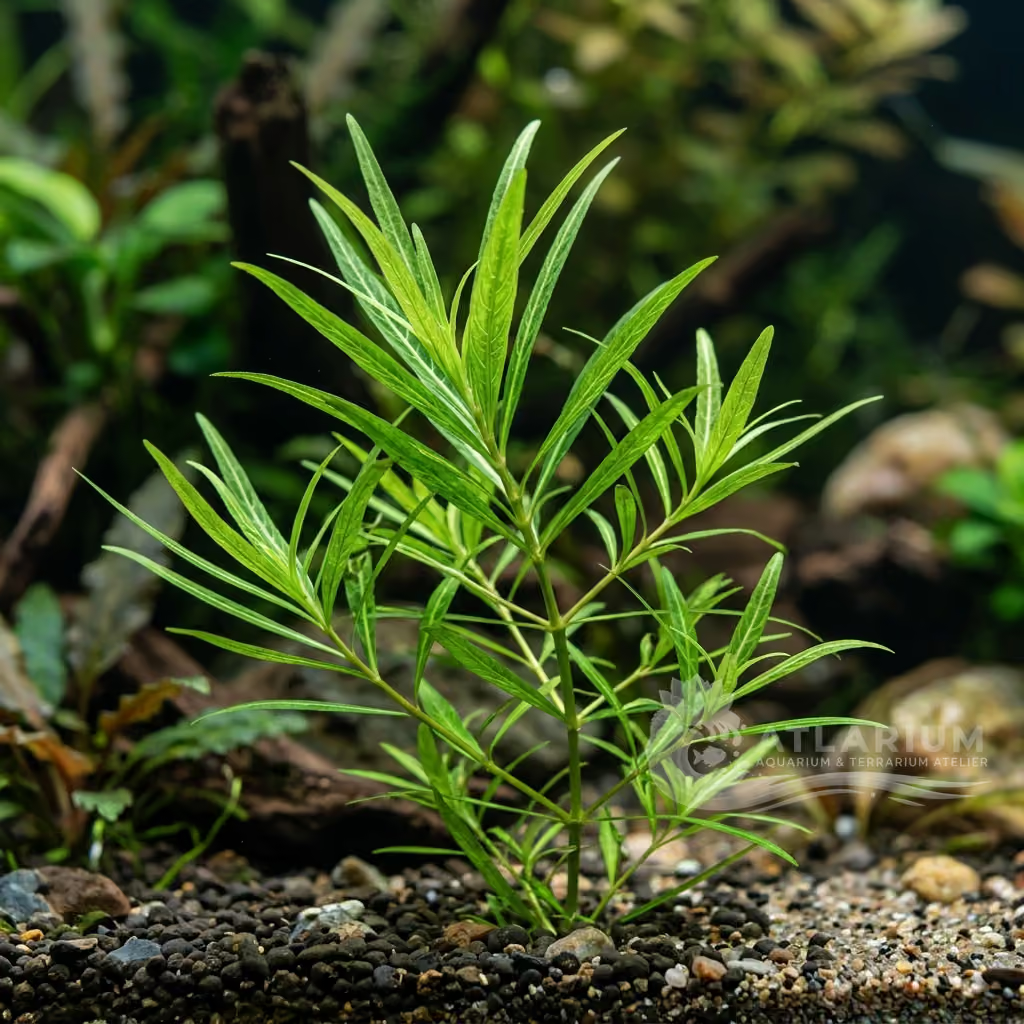
Physical Structure: It features thin, flexible, creeping stems that tend to root at the nodes when in contact with the substrate, but grow upright toward the light if planted densely. The leaves are sessile, arranged in opposite pairs, and possess a characteristic rounded shape (hence the specific epithet rotundifolia) with a diameter of about 1-1.5 cm. Adventitious roots develop rapidly from every leaf node, aiding anchorage and nutrient absorption.
Color & Texture: The submerged leaves of wild Lindernia rotundifolia exhibit a bright, fresh, and somewhat translucent green coloration. The leaf texture features thin parallel veins visible under backlit conditions, creating a delicate geometric pattern on the leaf surface. The leaf tissue is tender and thin, giving the plant a light, airy appearance, ideal for creating structural contrasts with leathery or needle-like plants.

Cuidado, criação e companheiros de tanque
Lighting & CO2: Prefers moderate to high lighting; under intense light, the plant tends to maintain a lower, creeping habit, whereas low light causes the internodes to stretch excessively. CO2 is not indispensable, but adding 10-15 mg/L improves tissue strength and accelerates propagation rates.
Nutrition & Substrate: A sandy or fine-grained fertile substrate is ideal to support the development of its delicate roots. It requires a regular intake of micronutrients via liquid fertilization, with a particular focus on iron to prevent the leaves from losing their vibrancy and becoming transparent.
Water Chemistry: It is an incredibly hardy plant that tolerates extreme ranges: temperature from 4°C to 34°C, pH from 5.0 to 8.0, and KH hardness from 0 to 14 dKH. This extraordinary adaptability makes it ideal even for outdoor ponds or unheated tanks containing coldwater fish.
Space Management & Placement: Due to its partially creeping growth habit, it can be positioned in the foreground or midground of the aquarium. Planting stems closely together yields a dense bush, but it is important to ensure good water circulation between the stems to prevent debris buildup.
Pruning: It is easily pruned by shortening the stems to the desired height; the plant responds by emitting numerous lateral shoots from the lower nodes. Trimming pieces root within a few days if replanted in the substrate, facilitating bush thickening or the creation of new groups.
Risks & Diseases: Despite its resistance, it can suffer from sudden parameter fluctuations or chronic micronutrient deficiencies, leading to fragile stems and brittle leaves. Its dense growth pattern can harbor brush or hair algae if water nutrients are out of balance with lighting.

Origem e distribuição geográfica
Lindernia rotundifolia is widely distributed across the tropical and subtropical regions of Africa, Asia, and South America, where it colonizes humid and muddy environments. It is commonly found at the edges of rice paddies, ditches, muddy riverbanks of slow-moving streams, and seasonal marshes. As a highly adaptable pioneer species, it can withstand dry periods by growing in a prostrate emersed form, converting rapidly into an aquatic submerged plant with the arrival of monsoon rains.
Origem
África e MadagascarExtra-Amazônica América do SulSul e Sudeste Asiático

Perfil da planta
- Posicionamento
- Primeiro plano
- It is perfectly suited for the midground, where its unique leaf shape can be fully appreciated. Planting it in small groups creates a distinct, eye-catching bush. In smaller aquariums, it can even be utilized as a background plant.
- Forma botânica
- Caule
- As the name suggests, it features small, round leaves that grow oppositely along the stem. The foliage is typically a bright, pleasant green. Its stems tend to grow straight up, creating a highly organized and neat appearance in the aquascape.
- Crescimento
- Média
- This plant generally exhibits a moderate growth rate, making it easy to maintain. While it doesn't strictly require CO2, injecting it will noticeably increase its growth speed and leaf size. High light encourages more compact, bushy growth.
- Substrato
- Média
- Lindernia rotundifolia flourishes when planted in a moderately fertile substrate that allows its fine roots to penetrate easily and gather essential nutrients. Fine-grained gravel or commercial aquatic soil provides an excellent anchor, keeping the slender stems properly positioned in the water column. A substrate depth of around 2 inches is sufficient to protect the roots and facilitate the steady absorption of macronutrients. Incorporating root fertilizer tablets can significantly enhance its growth rate and emphasize the distinct, rounded shape of its leaves.
- Fertilização de coluna
- Recomendada
- Adding liquid fertilizers to the water column is generally sufficient to meet its needs. Regular dosing of a comprehensive fertilizer ensures it receives all essential trace elements. This prevents the leaves from developing holes or yellowing.
- Fertilização radicular
- Opcional
- While it doesn't have an extensive root system, providing a nutrient-rich substrate is beneficial. Aquasoil or root tabs can promote healthier, more robust growth from the base. Good root nutrition helps anchor the plant securely.
- Corte
- Ocasional
- Trimming is straightforward: simply cut the stems to the desired height. The lower portions will sprout new side shoots, making the group denser over time. Replanting the tops allows you to easily propagate the plant.
- Propagação
- Estacas
- Propagation is easily accomplished by taking stem cuttings. Snip a healthy stem and plant it directly into the substrate. The cutting will quickly develop roots and establish itself as a new plant.
- Sensibilidade
- Moderada
- It is a very adaptable species, tolerating a wide range of water parameters. However, it can suffer if heavily shaded by faster-growing background plants. Ensure it receives adequate light to prevent the lower leaves from dropping off.
- Função de layout
- Primeiro plano, Plano intermediário, group
- Its striking round leaves provide excellent textural contrast in any layout. It serves as a beautiful transition plant between small foreground carpets and taller background stems. The orderly growth habit makes it ideal for Dutch-style aquariums.

Espécies relacionadas
Recomendações agrupadas por parentes próximos, escolhas de acompanhantes e cuidados semelhantes.