Chinese Swimming Scorpion
Lychas mucronatus
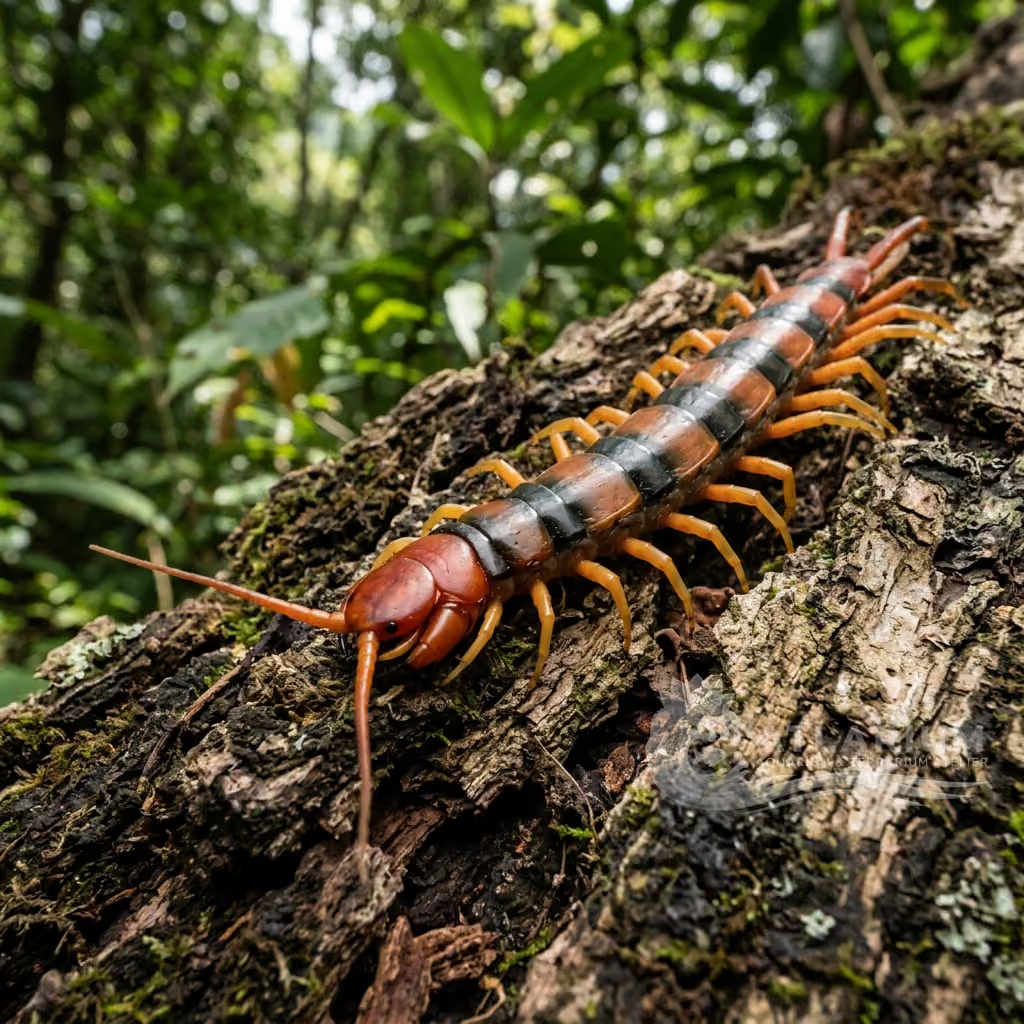
The Lychas mucronatus, commonly sold as the 'Chinese Swimming Scorpion'. It is a small and neurotic arboreal-terrestrial Buthid (1.5-2.3 inches). Mottled colored with brown, yellow and black, it possesses a slender silhouette with filiform pincers and elongated tail. Contrary to the catchy commercial name, it is NOT an aquatic animal: it can float and move on water for short stretches (adaptation to alluvial forests), but will drown if kept in an aquarium. Extremely fast, prone to sting and equipped with a moderately painful venom, it requires a very humid tropical terrarium with large dry areas (barks and wet peat), proving to be a terrible guest for paludariums or semi-aquatic terrariums.
Terrestre
65 - 75 %
25 - 30 °C
22 - 24 °C

Description de l'espèce

Soins, reproduction et cohabitation

Origine et répartition géographiques
Origine

Profil d'invertébré terrestre
- Régime alimentaire
- Carnivore
- It is an active, aggressive insectivore. Its diet consists primarily of small to medium-sized insects, such as crickets, flies, small roaches, and occasionally other small spiders or arachnids it encounters.
- Taille adulte
- 6.5 cm
- Mode de vie/microhabitat
- Semi-aquatic
- This scorpion is a highly adaptable arboreal and terrestrial opportunist. It favors humid, semi-tropical environments and can frequently be found both traversing the forest floor and expertly climbing low vegetation.
- Cycle d'activité
- Nocturnal
- It is an active nocturnal species. During the day, it remains tightly hidden under loose bark, rocks, or various ground debris, becoming highly active at night to roam and actively hunt.
- Sociabilité
- Gregarious
- While they can occasionally be kept communally if heavily fed and provided with ample space and abundant hiding spots, they are opportunistic predators, and a persistent risk of cannibalism remains.
- Reproduction
- Viviparous
- They are viviparous, giving birth to live young that ride on the mother's back. In successful communal setups, they can reproduce rapidly, quickly leading to significant population increases.
- Venimeux
- Yes
- Tolérance aux manipulations
- With caution
- Handling is not recommended. They are exceptionally fast, nervous, and exhibit defensive behaviors when startled or cornered. Always use appropriate tongs for any interactions or routine enclosure maintenance tasks.
- Brumation
- Non requise
- Given its exceptionally wide distribution across Asia, its requirements vary. While northern populations experience cooler winters, in captivity it is typically kept consistently warm and humid year-round without formal brumation.
- Mue
- Periodic
- Molting frequently occurs while the scorpion is vertically clinging to rough bark or completely concealed within a humid hide. Maintaining consistently high humidity is critical for a flawless molt.

Espèces associées
Recommandations regroupées par proches parents, compagnons et soins similaires.