Nuphar japonica
Nuphar japonica
Nuphar japonica is a magnificent rhizomatous aquatic plant, perfectly suited for background placement in freshwater aquariums. With its medium growth rate and wide tolerance for water parameters, it offers a majestic presence and a natural focal point.
Température de l’eau
4 - 30 °C
Valeur du pH
5 - 8
Type d'eau
Eau douce
Lumière
Medium to High
CO2
Élevée
Hauteur attendue
60 cm
Largeur attendue
40 cm
KH
0 - 21 dKH

Description de l'espèce
Geographical Origin and Habitat: Hailing from the wetlands and slow-moving waters of Japan and specific regions of East Asia, Nuphar japonica thrives in both sub-tropical and temperate conditions. In its natural habitat, it anchors itself in muddy or sandy substrates of rivers, lakes, and ponds, where its leaves can either float on the surface or remain fully submerged. This species stands as a testament to the rich aquatic flora of Asia, showcasing remarkable adaptability to diverse aquatic environments.
Taxonomy & Genetics: Belonging to the esteemed Nymphaeaceae family, which also includes true water lilies, Nuphar japonica shares a venerable lineage and a captivating botanical architecture with its relatives. The genus Nuphar is distinguished by its specific floral structures and leaf forms, often characterized by prominent venation patterns. Its genetic classification positions it among some of the most ancient and resilient aquatic plants, underscoring a long evolutionary history of adaptation to aquatic habitats.
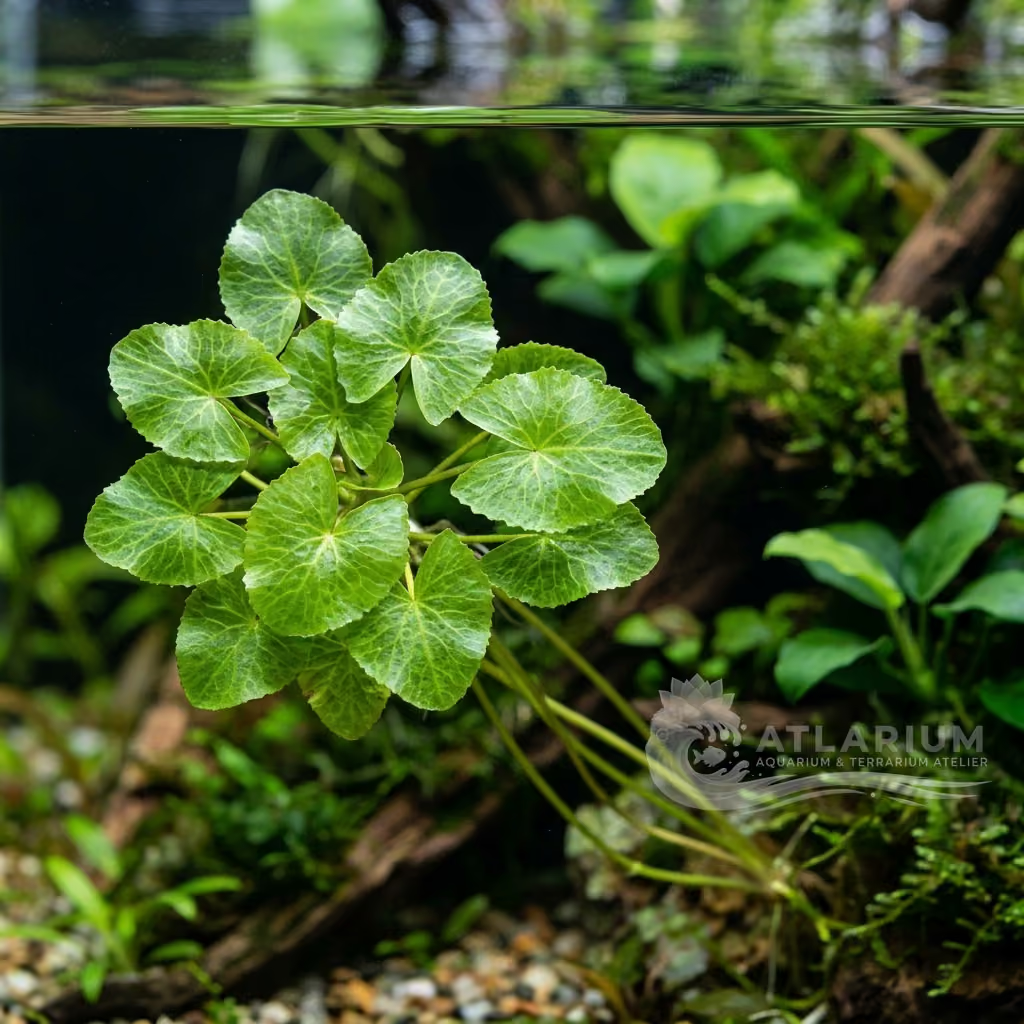
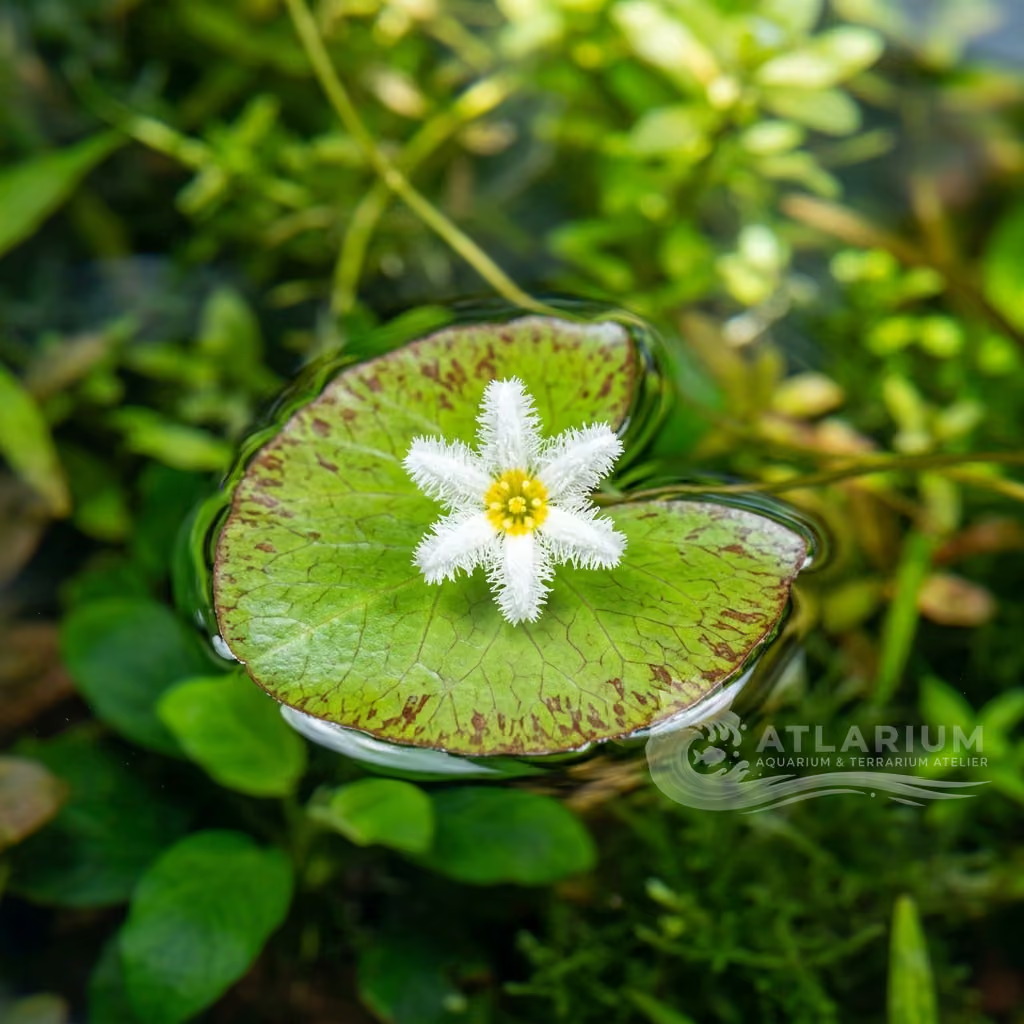
Physical Structure: Nuphar japonica is characterized by a robust subterranean rhizome, from which long roots and sturdy petioles supporting the leaves emerge. It primarily produces two types of leaves: submerged leaves, typically elongated or strap-shaped, which are the first to develop, and floating leaves, which are more rounded or oval and reach the water's surface. The petioles are strong and can extend considerably to allow leaves to emerge, while its emergent yellow flowers, though rare in an aquarium, are a distinctive feature of the species.
Color & Texture: The submerged leaves of Nuphar japonica display a vibrant bright green, or sometimes a reddish-green hue in new growth, with a generally soft and pliable texture. Floating leaves, conversely, tend to be darker green and possess a waxy surface, which aids in resisting evaporation and water. Venation is often clearly defined, lending the leaves an almost reticulated structure. The vividness of its color serves as a key indicator of the plant's health and the adequacy of its aquarium conditions.

Soins, reproduction et cohabitation
Lighting & CO2: For vigorous growth and to encourage the production of submerged leaves, Nuphar japonica demands medium to high lighting. Insufficient light can predominantly lead to the formation of floating leaves, which may excessively shade underlying plants. CO2 supplementation is highly recommended to maximize growth rates, enhance coloration, and promote a lush, compact growth habit, favoring the development of aquatic leaves over aerial ones.
Nutrition & Substrate: As a heavy root feeder, Nuphar japonica extracts a significant portion of its nutrients directly from the substrate, making a fertile, nutrient-rich bottom essential for its well-being. A clay-based substrate or the regular addition of root tabs is ideal for providing the necessary iron, macro, and micronutrients. Nutrient deficiencies in the substrate can manifest as smaller, yellowed leaves or stunted growth.
Water Chemistry: Nuphar japonica demonstrates remarkable tolerance to a broad spectrum of water parameters, thriving in temperatures ranging from 4.0 to 30.0 C and within a pH range of 5.0 to 8.0. Carbonate hardness (KH) can also vary widely, from 0.0 to 21.0. Nevertheless, maintaining stable parameters within these optimal ranges, preferably with slightly acidic to neutral water, will significantly contribute to the plant's overall health and robust growth.
Space Management & Placement: Given its potential size and ability to produce very large leaves, Nuphar japonica is categorized as a background plant and requires ample space within the aquarium. It is crucial to position it in an area where its expanding leaves will not excessively shade other, smaller plants. Its impressive presence makes it an excellent focal point or a natural divider, but careful layout planning is necessary to prevent it from overwhelming the aquatic ecosystem.
Pruning: Regular pruning is essential to manage Nuphar japonica and prevent its floating leaves from casting too much shade on the aquarium. It is recommended to remove older or damaged leaves at the base of the petiole, close to the rhizome, to encourage the growth of healthier new leaves. This practice also helps direct the plant's energy towards developing submerged leaves, if desired.
Risks & Diseases: While robust, Nuphar japonica can be susceptible to nutrient deficiencies, particularly iron deficiency, which manifests as chlorosis or yellowing of the leaves. Like many aquatic plants, it may undergo an initial "melt" after transplanting, a natural adaptation process to new conditions. It is important to monitor leaf health for signs of algae, especially on older or weaker leaves, or potential attacks from snails or herbivorous fish.

Origine et répartition géographiques
Hailing from the wetlands and slow-moving waters of Japan and specific regions of East Asia, Nuphar japonica thrives in both sub-tropical and temperate conditions. In its natural habitat, it anchors itself in muddy or sandy substrates of rivers, lakes, and ponds, where its leaves can either float on the surface or remain fully submerged. This species stands as a testament to the rich aquatic flora of Asia, showcasing remarkable adaptability to diverse aquatic environments.
Origine
Asie de l'Est

Profil de plante
- Emplacement
- Arrière-plan
- Due to its broad leaves and potential height, it is best suited as a focal point or background plant. In smaller aquariums, it can quickly dominate the space if not strategically placed. Plant it where it will not shade out smaller, light-demanding species below it. It looks particularly striking when positioned slightly off-center in the layout.
- Forme botanique
- Rosette
- This plant develops a strong rhizome or tuber structure from which the leaves emerge. The leaves are typically broad, lobed, or arrow-shaped, offering great textural contrast. It can develop both submerged and emergent foliage depending on water depth. The stems are long and fleshy, reaching towards the light source.
- Croissance
- Moyenne
- Under optimal conditions with high light and CO2, its growth rate is considered fast. It will regularly send leaves toward the surface to form floating foliage. In low-tech setups, the growth is moderate but still steady. Frequent pruning can help manage the rapid development of new shoots.
- Substrat
- Élevé
- Nuphar japonica requires a remarkably rich and deep substrate to support its thick, fleshy rhizome and large lily-like foliage. The plant's extensive root system anchors the rhizome securely in the mud or soil, drawing immense amounts of macronutrients to fuel its submerged and floating leaves. A generous substrate depth of at least 3 to 5 inches consisting of fine sand over a nutrient-packed aquasoil or clay base is ideal. Consistent and heavy root fertilization using tabs is mandatory to prevent the rhizome from exhausting the surrounding soil.
- Fertilisation de la colonne d'eau
- Recommandée
- While it feeds heavily from the roots, it also absorbs significant nutrients through its leaves. Liquid fertilizers should contain a balanced mix of potassium, nitrogen, and phosphorus. Dosing liquid iron regularly will help maintain the intense pigmentation of the leaves. Column fertilization is especially helpful in the early stages of acclimatization.
- Fertilisation racinaire
- Nécessaire
- Root tabs are absolutely essential for the long-term health of this heavy root-feeder. Place a nutrient capsule deep into the substrate near the base every few months. A nutrient-rich aquasoil provides an excellent foundation for its extensive root network. Without sufficient root fertilization, the plant may stunt and drop older leaves.
- Taille
- Occasionnelle
- To maintain a compact submerged form, promptly trim any leaves that reach for the surface. Cut the stems as close to the base as possible to encourage bushy new growth. Remove any decaying or damaged leaves to prevent water quality degradation. If you want floating leaves, simply allow the longest stems to reach the top undisturbed.
- Propagation
- Boutures
- Propagation is typically achieved by dividing the rhizome or through side shoots. Carefully cut the rhizome with a sharp tool, ensuring each piece has a few healthy leaves. Some variations will produce adventitious plantlets on older leaves or stems. These plantlets can be separated and planted once they have developed their own roots.
- Sensibilité
- Modérée
- This species can be sensitive to sudden changes in water parameters or temperature. It is generally not tolerant of harsh chemical treatments, such as certain algae medications. Ensure the rhizome or tuber is not fully buried, as it may rot. Herbivorous fish and snails might occasionally nibble on the tender new leaves.
- Rôle dans le décor
- Arrière-plan
- This plant serves as an excellent solitary centerpiece in many aquascaping styles. Its distinct leaf shape and color break up the monotony of typical stem plant groupings. It is widely used in Dutch-style aquariums to provide a strong visual anchor. In nature aquariums, it adds a wild, unruly element to the background or midground.

Espèces associées
Recommandations regroupées par proches parents, compagnons et soins similaires.