Cryptocoryne spiralis var. spiralis
Cryptocoryne spiralis var. spiralis
Cryptocoryne spiralis var. spiralis is a highly resilient Indian variety. Featuring vibrant green, upright wavy leaves, it creates stunning vertical accents and dense backgrounds with minimal effort.
Température de l’eau
22 - 28 °C
Valeur du pH
6 - 7.5
Type d'eau
Eau douce
Lumière
Moyenne
CO2
Faible
Hauteur attendue
45 cm
Largeur attendue
10 cm
GH
4 - 20 dGH
KH
2 - 20 dKH

Description de l'espèce
Geographical Origin and Habitat: Endemic exclusively to the seasonal marshlands, deeply flooded rice paddies, and slow-moving tropical rivers of southwestern India. Cryptocoryne spiralis var. spiralis is an incredibly hardy, highly adaptable aquatic rosette plant. It thrives in a deeply amphibious lifestyle, evolved to endure the brutal extremes of the Indian monsoon climate. It anchors its fleshy rhizome deep into heavy, nutrient-rich clay, surviving totally submerged during torrential floods and persisting completely emersed, baking in the mud during extreme dry seasons.
Taxonomy & Genetics: Scientifically classified within the Araceae family, it is the most well-known and commercially available variant within the Cryptocoryne spiralis complex. Taxonomically, it derives its specific name ("spiralis") from the unique, tightly spiraled, twisted shape of its spathe (flower) when grown emersed. Genetically, it drastically differs from the broad-leaved Sri Lankan Cryptocorynes; its genetics force the production of strictly upright, stiff, extremely narrow, grass-like leaves, making it resemble a dense cluster of underwater reeds or Vallisneria.
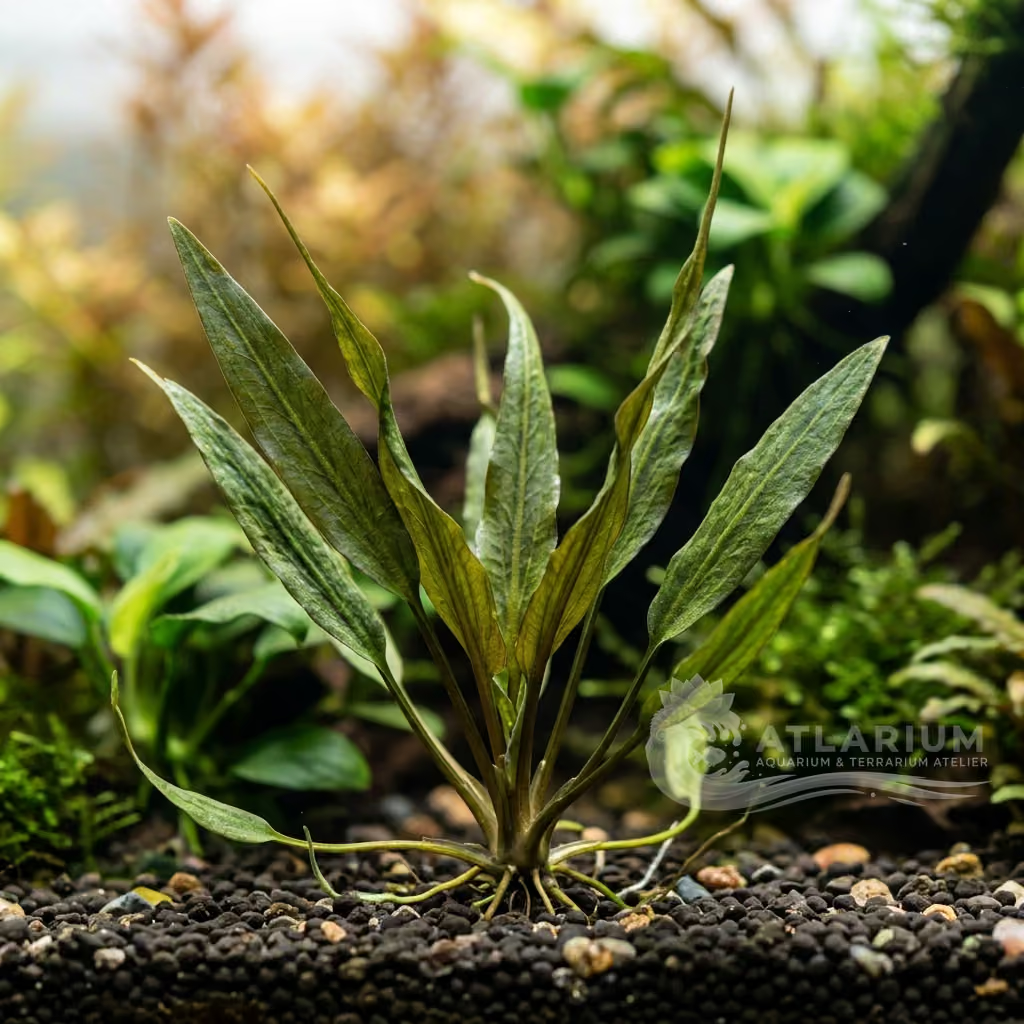
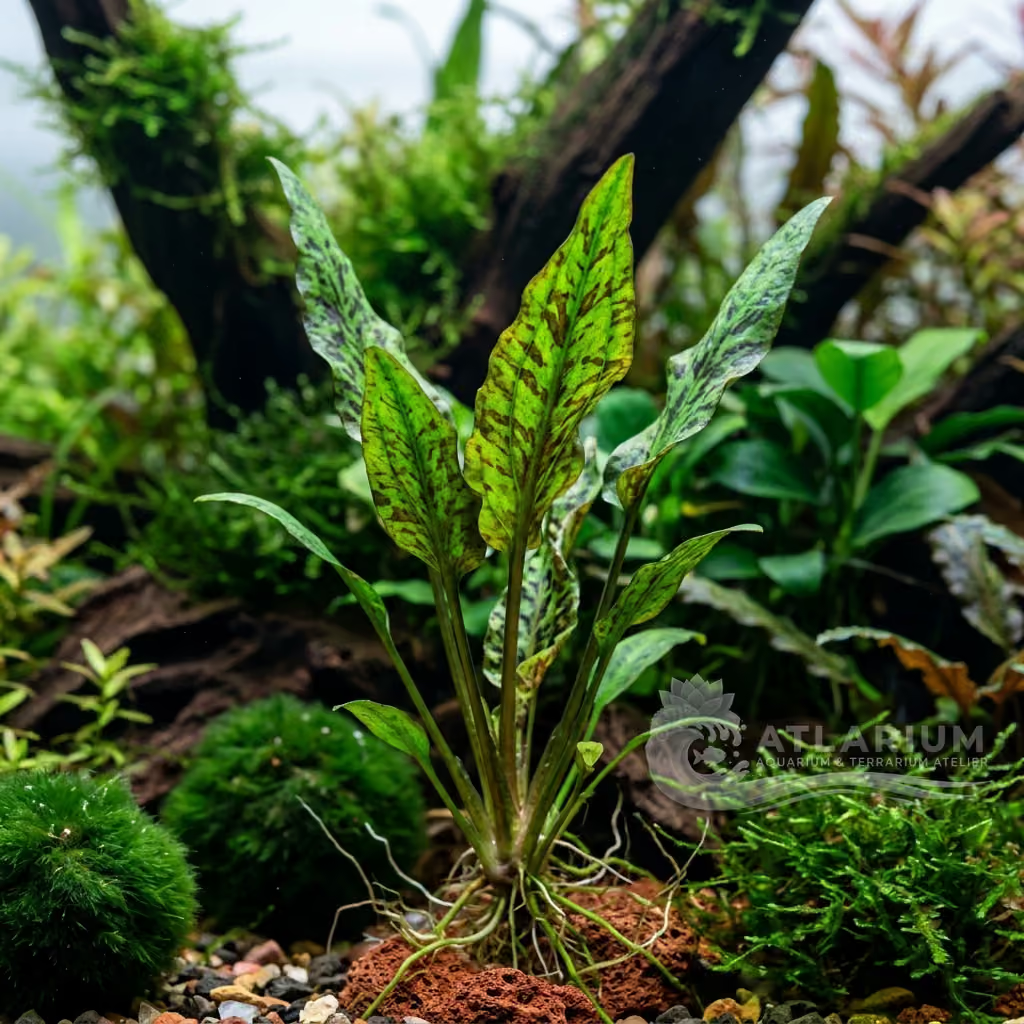
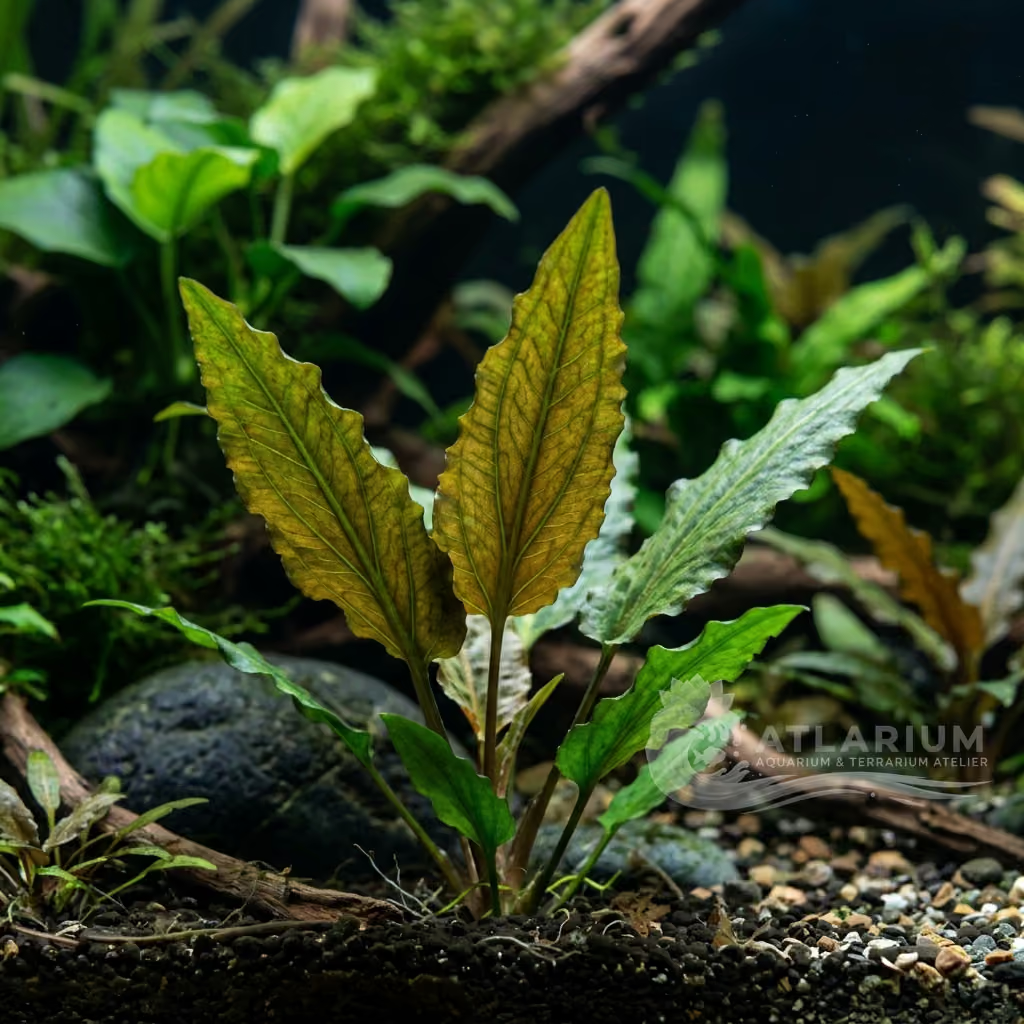
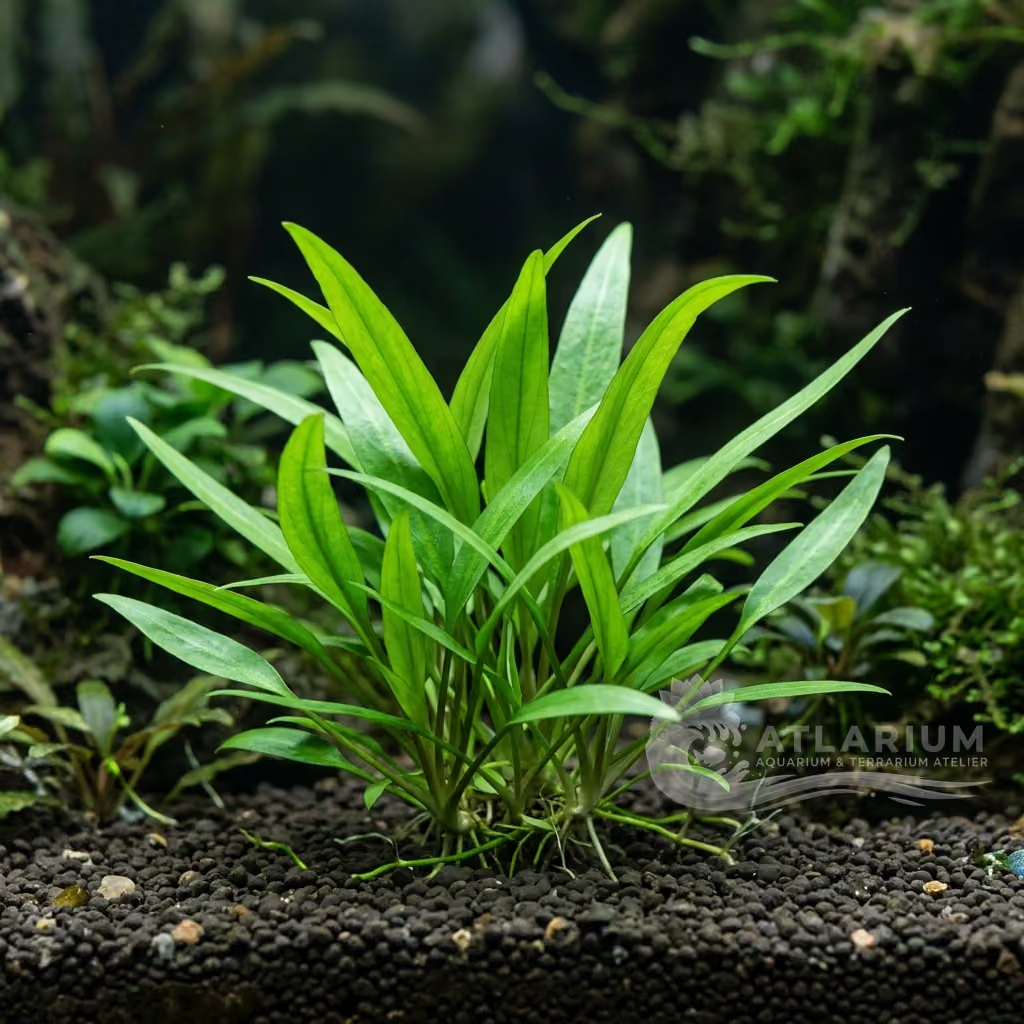
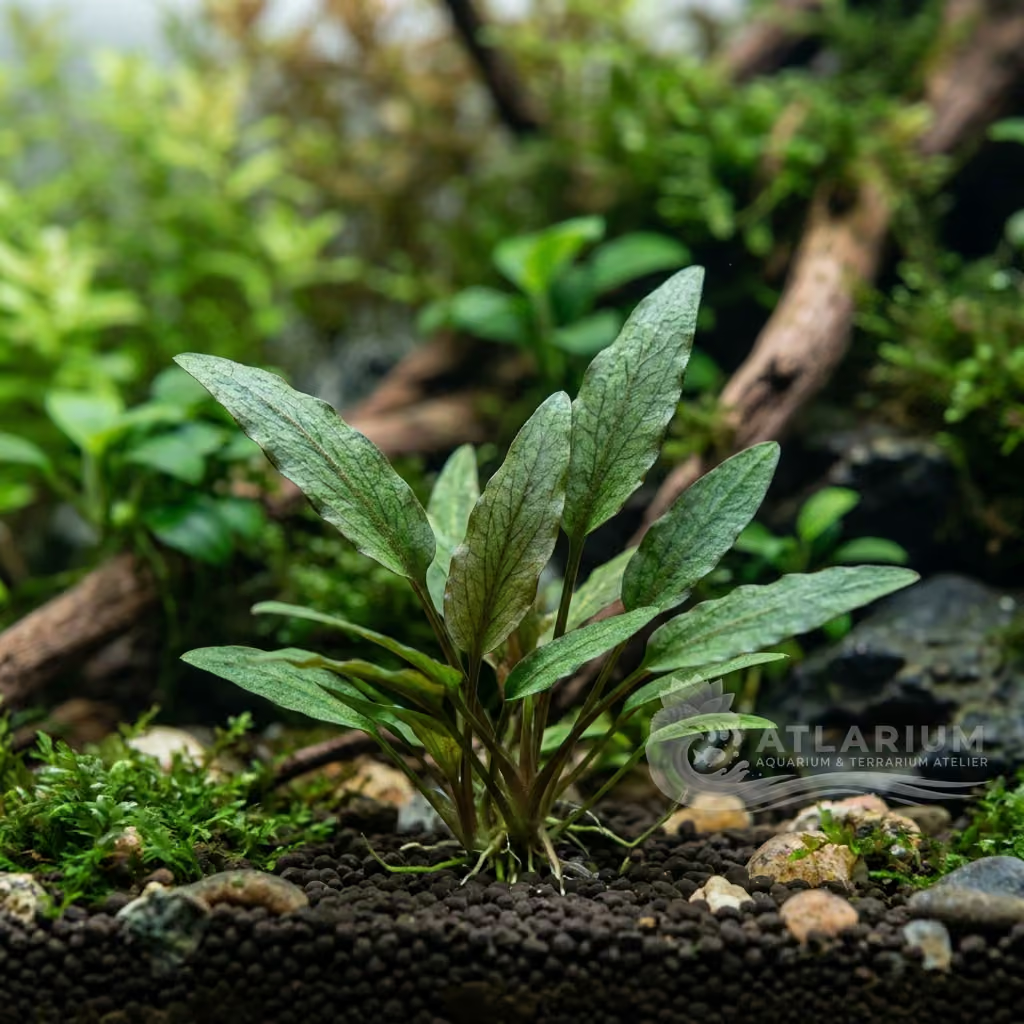
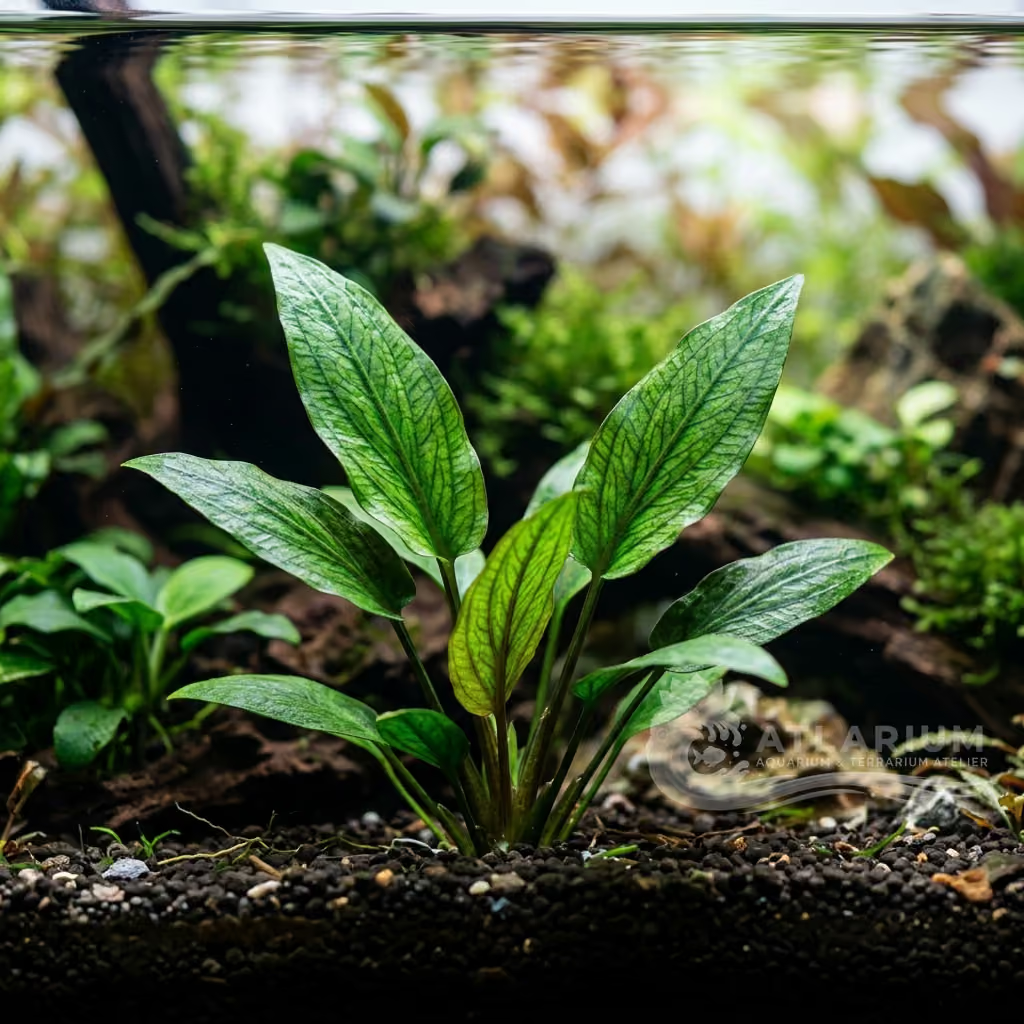
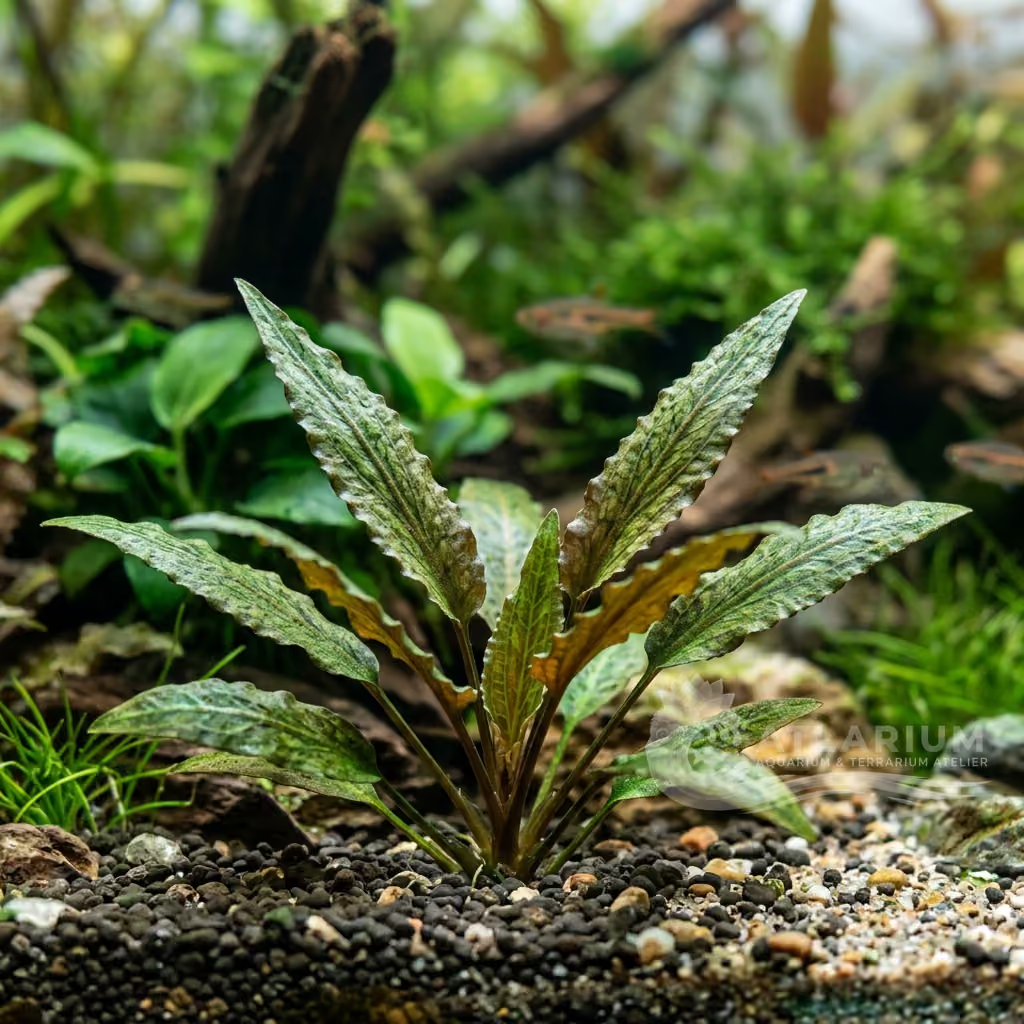
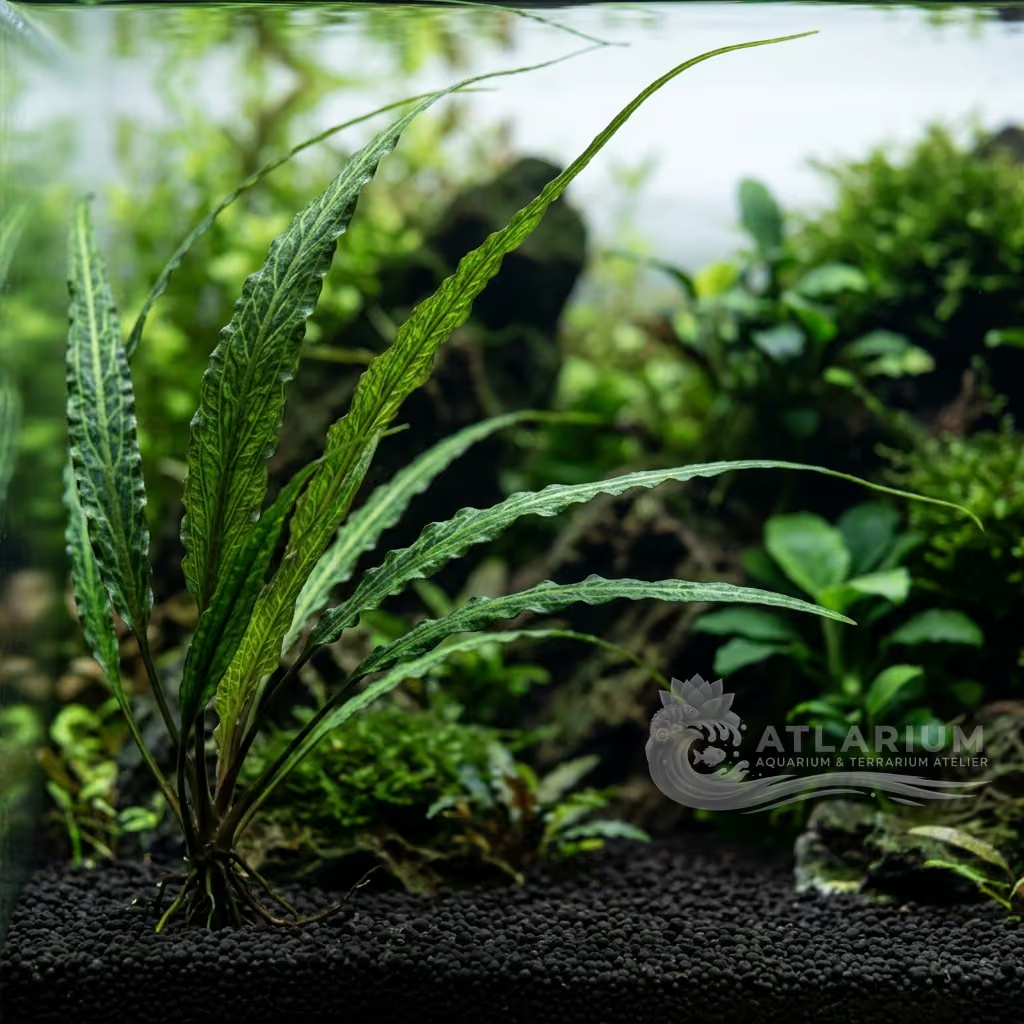
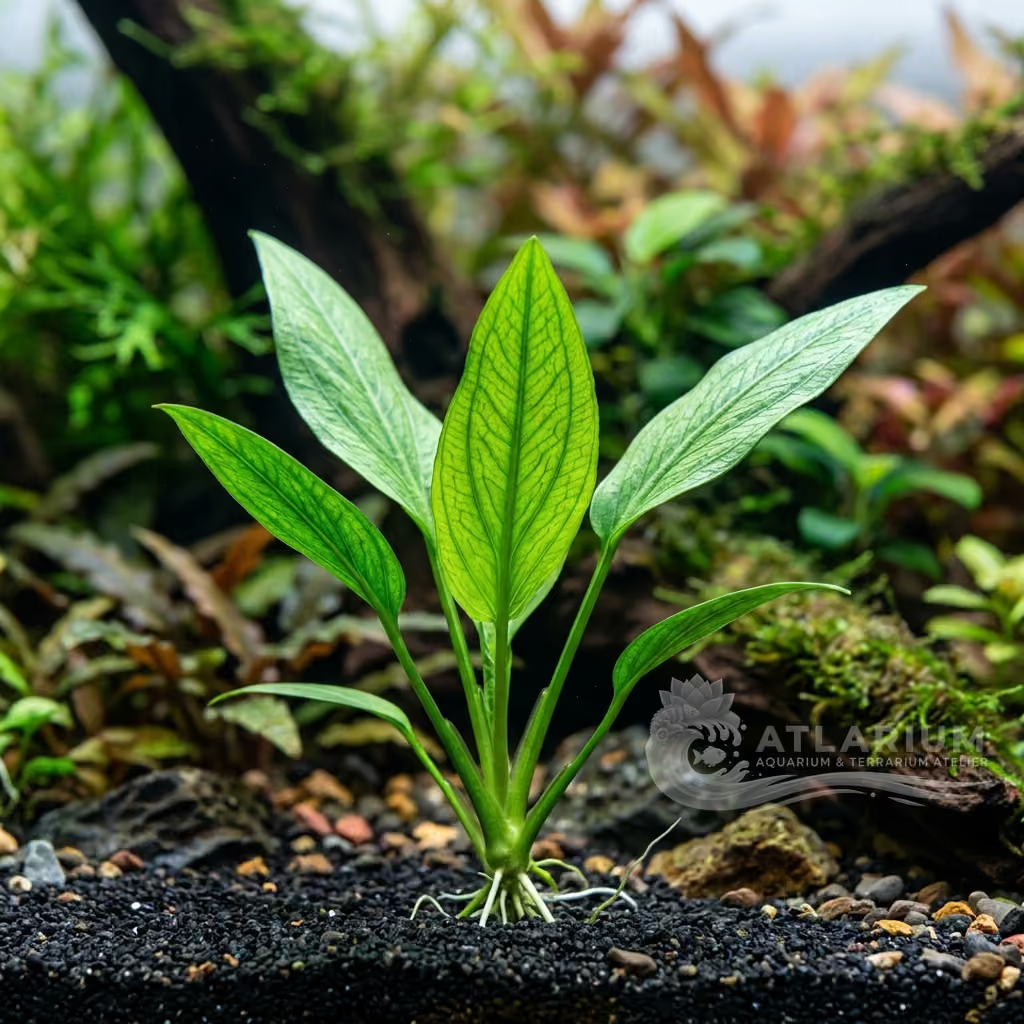
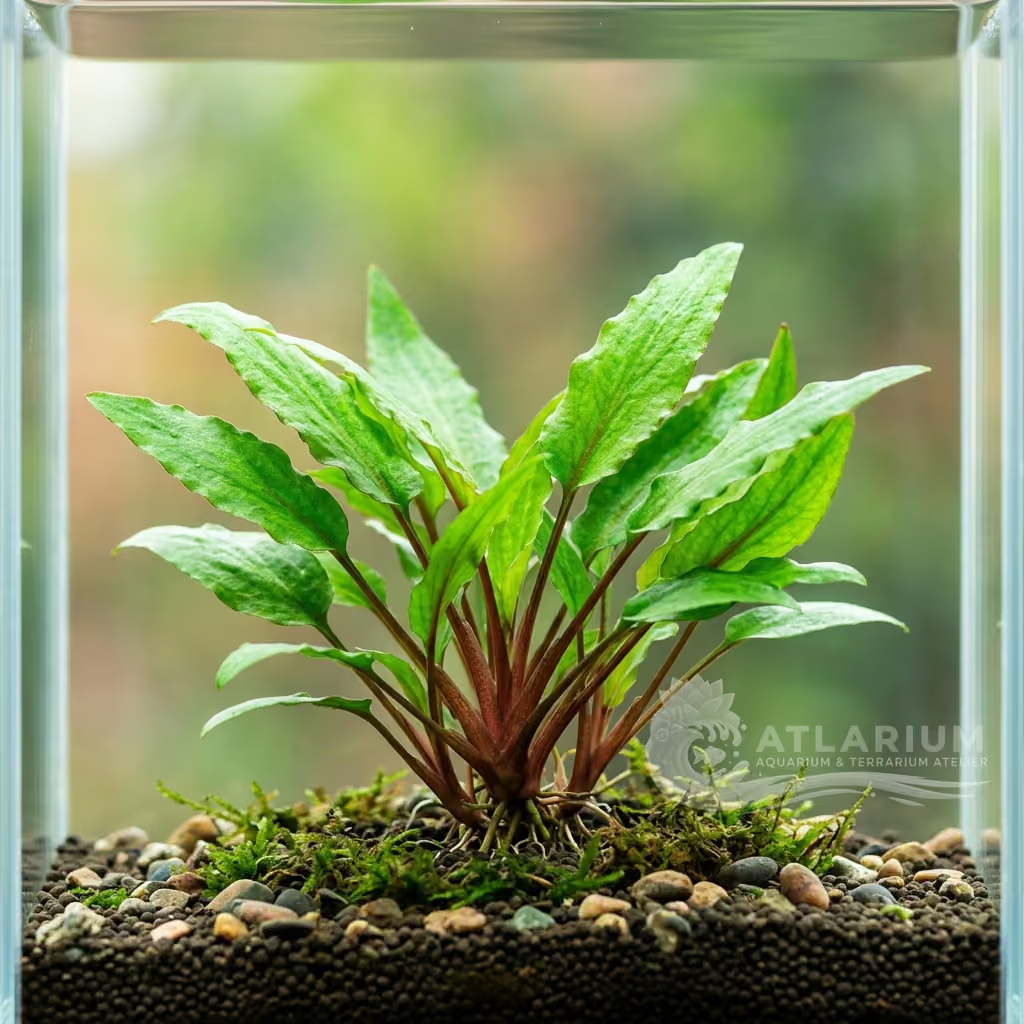
Physical Structure: The architectural structure of C. spiralis is distinctly vertical, intensely stiff, and highly linear. It is a true rosette plant that completely lacks vertical stems. The foundation is a thick, creeping subterranean rhizome that deploys aggressive white roots deep into the substrate. The leaves emerge directly from the crown on incredibly short, stiff petioles. The defining feature is the foliage: the leaves are strictly linear (grass-like), exceptionally long (capable of reaching 40-50 cm / 20 inches), totally flat, and point rigidly toward the surface.
Color & Texture: The coloration is simple, elegant, and uniformly vibrant. Grown submerged under standard lighting, the tall, grass-like leaves are a solid, bright apple-green to vivid emerald. It completely lacks the biological capability to produce any red, brown, or purple anthocyanin pigments in this specific variant. The texture of the leaves is exceptionally smooth, papery, and completely flat, lacking the hammered or crinkled margins of other species. Despite being thin, the leaves are surprisingly stiff, refusing to bend easily in the current.

Soins, reproduction et cohabitation
Lighting & CO2: It is an incredibly adaptable, highly forgiving rosette plant. In deeply shaded, low-tech aquariums, it will easily survive, producing extremely long, thin green leaves that stretch desperately toward the light. To force the plant to develop a dense, compact, grass-like bush and prevent it from becoming overly leggy, medium to high-intensity LED lighting is recommended. While injected CO2 is not required for its survival, pressurized CO2 drastically accelerates its overall growth rate and forces it to rapidly send out lateral runners.
Nutrition & Substrate: Like all species in its genus, C. spiralis is an absolute, obligate root feeder. Its highly aggressive root system strongly demands a mature, nutrient-dense substrate (minimum 5 cm / 2 inches deep). It heavily prefers fine, sandy substrates or high-quality aquasoil to allow its runners to spread easily. If planted in sterile, inert gravel without supplementation, it will quickly stunt, turn pale yellow, and melt. The substrate MUST be enriched with premium, iron-rich root tabs directly beneath the rhizome. It absorbs zero nutrition from the water.
Water Chemistry: Originating from the seasonal marshes of India, it is virtually invincible regarding water parameters. It thrives effortlessly in heated tropical aquariums (22-26°C) and is highly adaptable, comfortably tolerating both soft, slightly acidic blackwater and extremely hard, highly alkaline tap water (pH 7.2 - 8.2) loaded with calcium. The absolute most critical requirement is chemical stability; it strongly prefers a stable environment over a perfectly optimized one. It prefers a gentle to moderate water flow.
Space Management & Placement: Due to its tall stature (up to 50 cm), extremely narrow grass-like leaves, and rigid upright habit, C. spiralis is a spectacular background or midground transition plant. It should be planted tightly in linear clusters directly behind hardscape, mimicking a dense stand of underwater reeds. Unlike Vallisneria, it will not aggressively take over the entire tank; it spreads slowly via creeping subterranean runners, eventually forming a dense, perfectly vertical green wall that provides excellent cover for shy fish.
Pruning: Pruning is a very delicate procedure. Never attempt to trim the grass-like leaves in half with scissors; the cut edge will instantly turn black, rot, and destroy the elegant aesthetic of the plant. To prune dead or heavily shaded older leaves, you must reach down to the absolute base of the rosette and cleanly slice or snap the leaf directly at the gravel line. To manage its eventual spread, physically dig into the substrate and cleanly sever the subterranean runner connecting the baby clone to the mother plant.
Risks & Diseases: Like all Cryptocorynes, the absolute greatest threat to C. spiralis is the infamous "Crypt Melt." This species is highly sensitive to sudden environmental instability. A rapid change in pH, a massive water change with freezing water, or forcefully uprooting the established plant will trigger a violent biological panic, causing all the elegant grass-like leaves to dissolve into a slimy mush within hours. However, the thick creeping rhizome is nearly indestructible; if the leaves melt, do not remove the roots, and it will completely regrow.

Origine et répartition géographiques
Endemic exclusively to the seasonal marshlands, deeply flooded rice paddies, and slow-moving tropical rivers of southwestern India. Cryptocoryne spiralis var. spiralis is an incredibly hardy, highly adaptable aquatic rosette plant. It thrives in a deeply amphibious lifestyle, evolved to endure the brutal extremes of the Indian monsoon climate. It anchors its fleshy rhizome deep into heavy, nutrient-rich clay, surviving totally submerged during torrential floods and persisting completely emersed, baking in the mud during extreme dry seasons.
Origine
Asie du Sud et du Sud-Est

Profil de plante
- Emplacement
- Arrière-plan
- Its long, tape-like leaves make it an ideal background plant, especially in taller aquariums where it can reach the surface. It provides excellent vertical structure and gracefully flows in the water current. Plant it in clusters to create a striking green backdrop.
- Forme botanique
- Rosette
- As the name suggests, it develops long, ribbon-like leaves that are often smooth but can exhibit slightly ruffled edges. The foliage is typically a vibrant, fresh green, adding brightness to the tank. It forms a strong basal rosette from which the long leaves stretch upwards.
- Croissance
- Moyenne
- It exhibits a moderate growth rate, slowly building a dense root mass before accelerating leaf production. In optimal setups with good lighting and nutrient availability, it can spread relatively quickly. It is considered slightly faster growing than many other Cryptocoryne species once settled.
- Substrat
- Élevé
- A rich, mature substrate is optimal, providing the extensive root system with constant nourishment. It grows perfectly in both fine gravel and specialized aquatic soils, provided there is enough depth for rooting. A nutrient-depleted substrate will lead to stunted growth and pale leaves.
- Fertilisation de la colonne d'eau
- Recommandée
- Liquid fertilization should be modest but consistent to maintain healthy growth without triggering algae. Potassium and micro-elements are beneficial, particularly if the substrate is old or inert. It efficiently utilizes nutrients from the water column to supplement its root feeding.
- Fertilisation racinaire
- Aucune
- Providing nutrients at the roots is the most effective way to ensure the long-term health of C. spiralis. Inserting root tabs every few months will result in thicker, taller, and more robust leaves. The roots will quickly seek out and exploit localized nutrient pockets in the substrate.
- Taille
- Occasionnelle
- Only trim dying, damaged, or heavily algae-covered leaves by cutting them as close to the crown as possible. Avoid cutting healthy leaves midway, as they will simply rot away from the cut point. Minimal pruning is needed due to its slow growth.
- Propagation
- Division du rhizome, Stolons
- It propagates readily by sending out runners beneath the substrate, forming dense stands over time. The daughter plants emerge nearby and can be separated once they are large enough to handle. Regular thinning may be required to prevent the plant from overtaking its designated space.
- Sensibilité
- HIGH
- Susceptible to Crypt melt if parameters shift rapidly, especially temperature or lighting intensity. It may lose leaves when newly introduced to a tank but usually recovers once acclimatized. Stable water conditions are key to preventing sudden leaf loss.
- Rôle dans le décor
- Plan intermédiaire, Arrière-plan
- Acts as a strong structural element that can help define spaces in the planted aquarium. Its distinct appearance makes it a popular choice for Nature Aquarium styles. It adds depth and texture without requiring constant maintenance.

Galerie d'images
Images sous licence liées à l'espèce ou, lorsqu'elles sont indiquées, au taxon représentatif le plus proche.

Espèces associées
Recommandations regroupées par proches parents, compagnons et soins similaires.