Giant Asian Mantis
Hierodula membranacea
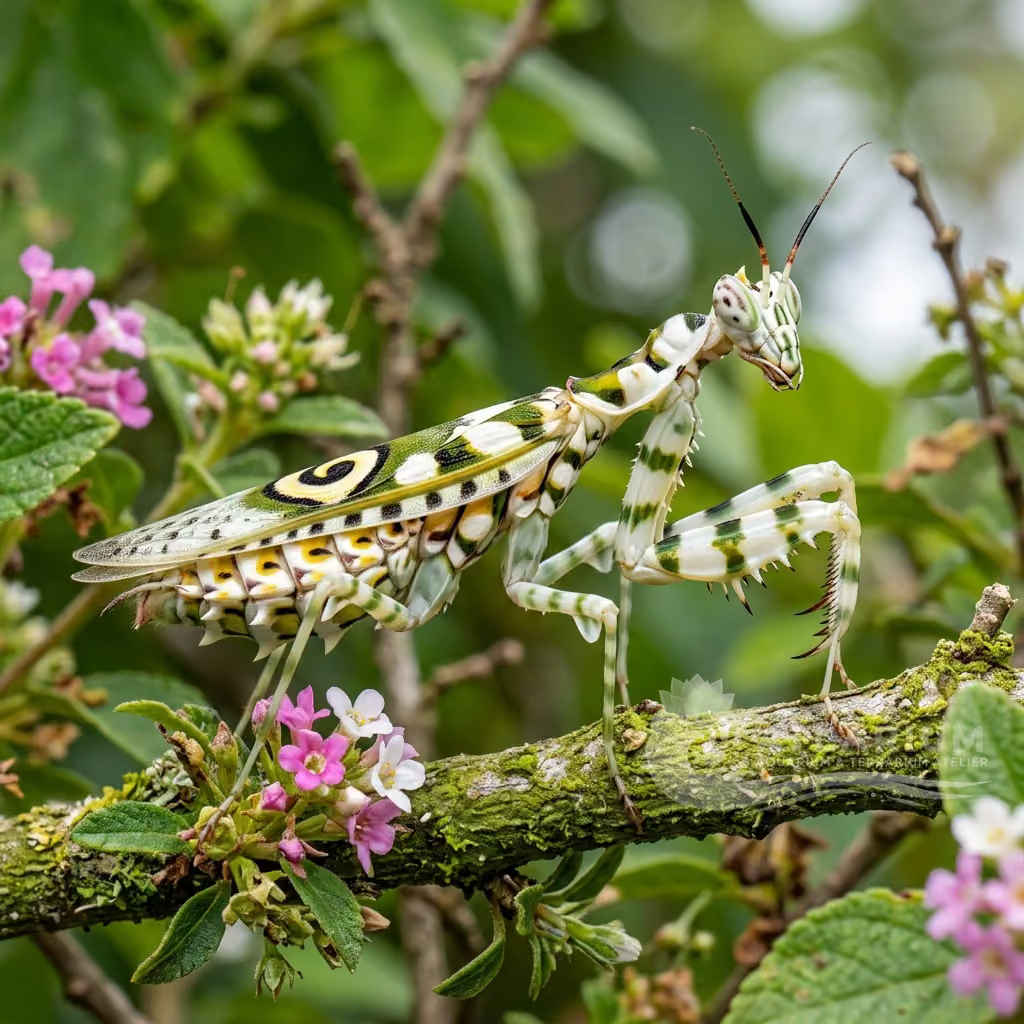
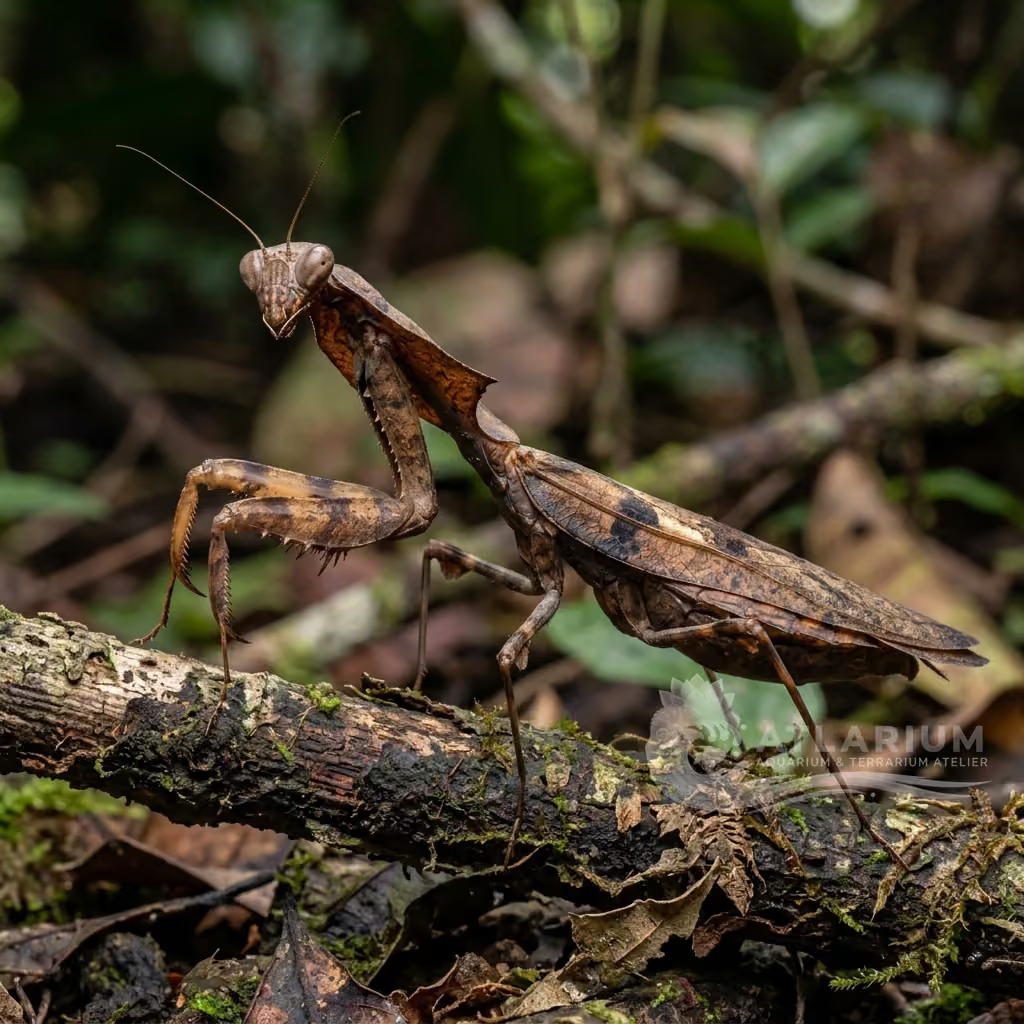
The Hierodula membranacea, the Giant Asian Mantis. It is the archetype of the pet mantis: immense (females reach 3.5-4 inches and a massive size), very robust and of a vibrant Apple Green or Yellow. It is legendary for its voracity: having no venom, it captures flies, crickets and even vertebrates (occasionally) using exclusively the brutal mechanical strength of the raptorial legs. Extremely tolerant at an environmental level (withstands variable humidity and home temperatures well), it is recommended as a first mantis. Has a short life expectancy (about 1 year) which culminates with an intense phase of ootheca deposition. Totally lethal to conspecifics: must be isolated from an early age.
Terrestre
50 - 60 %
24 - 28 °C
20 - 22 °C

Descrição da espécie

Cuidado, criação e companheiros de tanque

Origem e distribuição geográfica
Origem

Perfil de invertebrados terrestres
- Dieta
- Insectivore
- They have a voracious appetite and will consume almost any insect they can catch, including crickets, roaches, flies, and moths. Their powerful raptorial forelegs are capable of subduing relatively large prey. Feed them consistently, adjusting the prey size to match the mantis's current instar.
- Tamanho adulto
- 9 cm
- Estilo de vida/Microhabitat
- Arboreal
- This species is strongly arboreal, spending its entire life cycle in shrubs, tall grasses, and trees. They are sit-and-wait ambush predators, relying on their green or brown coloration for camouflage among the leaves. Enclosures must be vertically oriented with numerous branches for climbing and hanging.
- Ciclo de atividades
- Diurnal
- The Giant Asian Mantis is predominantly diurnal, utilizing daylight to visually hunt for prey among the foliage. While active during the day, they spend long periods remaining perfectly still, adopting a cryptic posture to avoid detection by both predators and unsuspecting prey.
- Socialidade
- Solitary
- This species is highly cannibalistic, particularly as they mature. Nymphs can sometimes be kept together for the first few instars if food is extremely abundant, but they must be separated into individual enclosures by the L4 or L5 stage to prevent them from eating each other.
- Reprodução
- Oviparous
- Breeding involves carefully introducing a well-fed female to a male. The female is notoriously prone to eating the male before, during, or after copulation. If successful, the female will produce a large, foamy ootheca (egg case) that hardens and yields hundreds of nymphs weeks later.
- Venenoso
- No
- Tolerância de tratamento
- Tolerant
- They are generally hardy and tolerate gentle handling well compared to more fragile species. They can be coaxed to walk onto a hand, but care must be taken not to squeeze them or damage their delicate legs. They rarely bite or strike in self-defense against humans.
- Brumação
- Não obrigatório
- As a tropical species native to Southeast Asia, Hierodula membranacea requires warm temperatures and moderate humidity year-round. They do not experience a brumation period in the wild, and artificial cooling in captivity is unnecessary and can be detrimental to their health.
- Muda
- Regular
- Molting requires the mantis to hang upside down from a branch or the mesh top of the enclosure. Adequate vertical space—at least three times the length of the mantis—is critical to ensure they can fully extend while emerging from the old exoskeleton without deformity.

Espécies relacionadas
Recomendações agrupadas por parentes próximos, escolhas de acompanhantes e cuidados semelhantes.