Jeweled Flower Mantis
Creobroter gemmatus
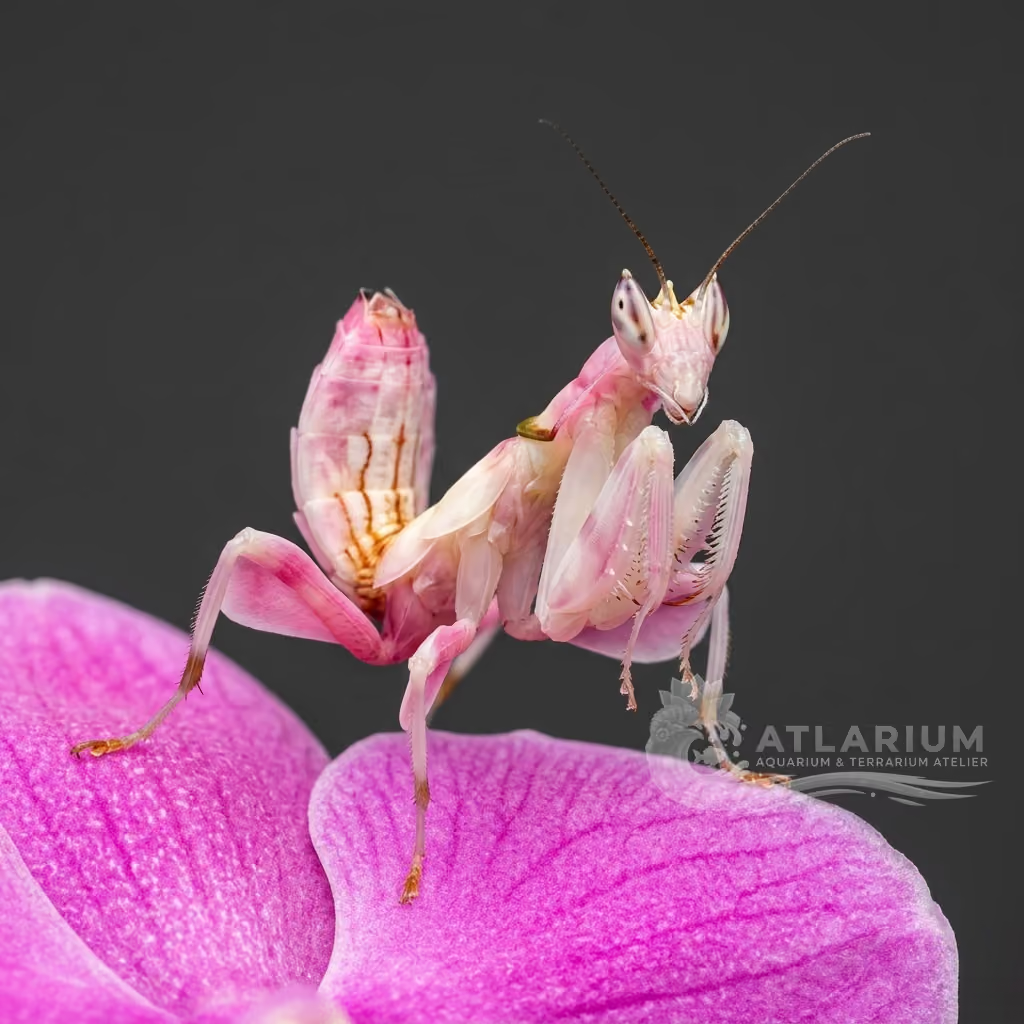
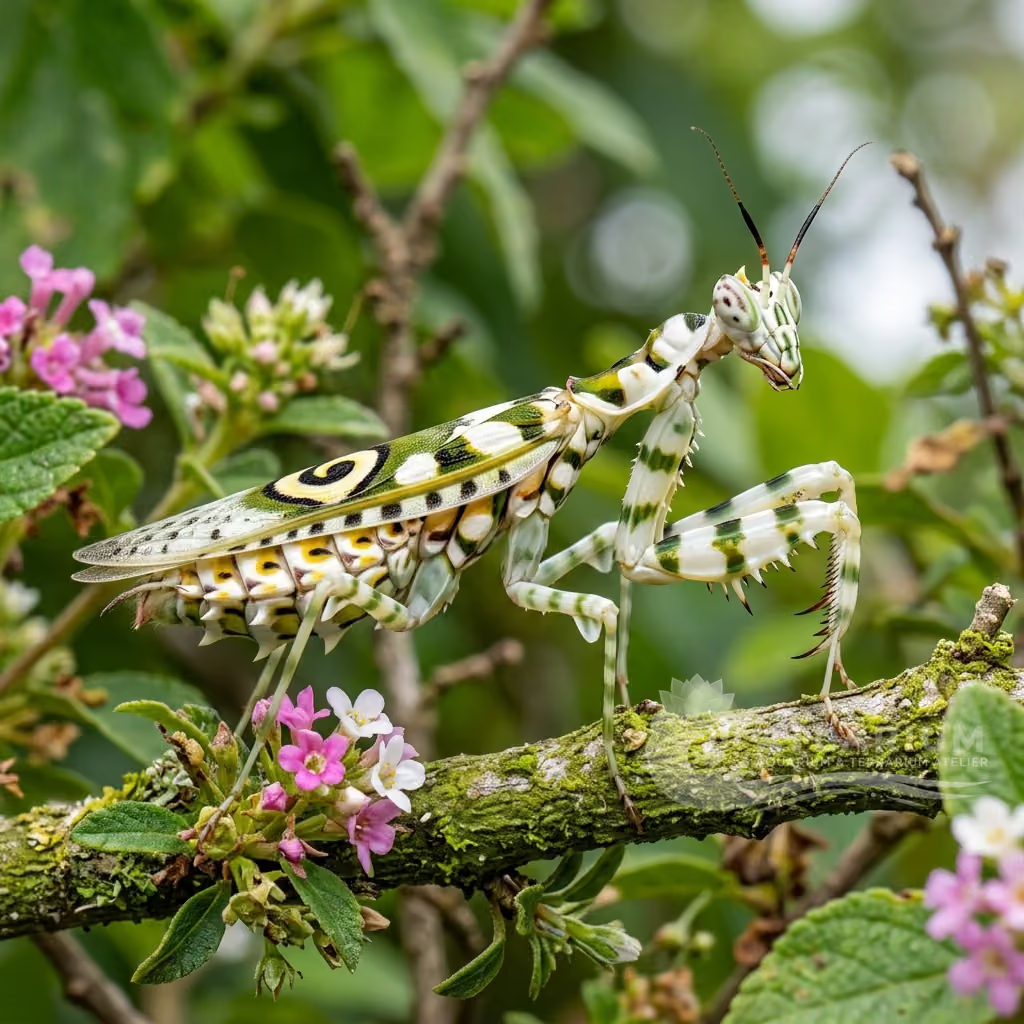
The Creobroter gemmatus, the Indian Flower Mantis or Jeweled Flower Mantis. It is one of the most fascinating, colorful and simple mantises to breed in the world. It is a dwarf mantis (barely reaches 1.6 inches) that lives embedded among exotic Asian flowers. If frightened, it spreads its front wings to show off a visual masterpiece: a huge smiling eye ('smiley face' or yellow/black eyespot circled in white) to terrify birds, hiding shocking pink hind wings. Despite its size and delicious appearance, it is a neurotic, extremely voracious and fiercely aggressive micro-predator, capable of attacking and devouring crickets or flies almost as big as itself. Excellent introduction to the genus Hymenopodidae.
Terrestre
60 - 70 %
24 - 28 °C
20 - 22 °C

Descrição da espécie

Cuidado, criação e companheiros de tanque

Origem e distribuição geográfica
Origem

Perfil de invertebrados terrestres
- Dieta
- Insectivore
- They specialize in hunting flying insects that are attracted to flowers. A diet consisting primarily of fruit flies for nymphs, graduating to green bottle flies, blue bottle flies, and small moths for adults, is ideal. They generally ignore ground-dwelling prey like mealworms.
- Tamanho adulto
- 5 cm
- Estilo de vida/Microhabitat
- Arboreal
- This small, highly colorful species is entirely arboreal, mimicking flowers in the tropical forests of Southeast Asia. Enclosures should be heavily decorated with artificial flowers, green foliage, and thin twigs to allow the mantis to employ its floral camouflage effectively and hunt naturally.
- Ciclo de atividades
- Diurnal
- The Jeweled Flower Mantis is a strictly diurnal hunter. It relies on bright daylight and its excellent vision to track and ambush pollinating insects. During the day, it sits completely still on flowers or green leaves, while at night it rests and becomes largely inactive.
- Socialidade
- Solitary
- Creobroter gemmatus is aggressive and highly cannibalistic. They must be housed individually. Even well-fed nymphs will actively hunt and eat each other if kept in the same enclosure. Visual barriers between adjacent enclosures are sometimes recommended to prevent them from striking at the glass.
- Reprodução
- Oviparous
- Breeding is relatively easy compared to other flower mantises, but female cannibalism is still a high risk. The female must be distracted with a large fly before the male is introduced. Females will lay several small, slender oothecae on thin twigs, which hatch relatively quickly.
- Venenoso
- No
- Tolerância de tratamento
- Tolerant
- While they are small and harmless, handling should be done cautiously as they are very flighty and prone to jumping unexpectedly. Adults are excellent flyers and will readily take to the air if startled. Gently coaxing them onto a hand rather than grabbing them is necessary.
- Brumação
- Não obrigatório
- Native to tropical Asian climates, they require a warm and humid environment continuously. They do not have a brumation period. Constant temperatures between 75°F and 82°F (24°C - 28°C) are required for proper metabolism, and cold temperatures should be strictly avoided.
- Muda
- Regular
- Molting requires the mantis to hang upside down from a secure foothold. Due to their small size, they do not need massive vertical clearance, but high humidity is vital to ensure their delicate wings and legs unfurl correctly. Disruption during molting can cause permanent crippling.

Espécies relacionadas
Recomendações agrupadas por parentes próximos, escolhas de acompanhantes e cuidados semelhantes.