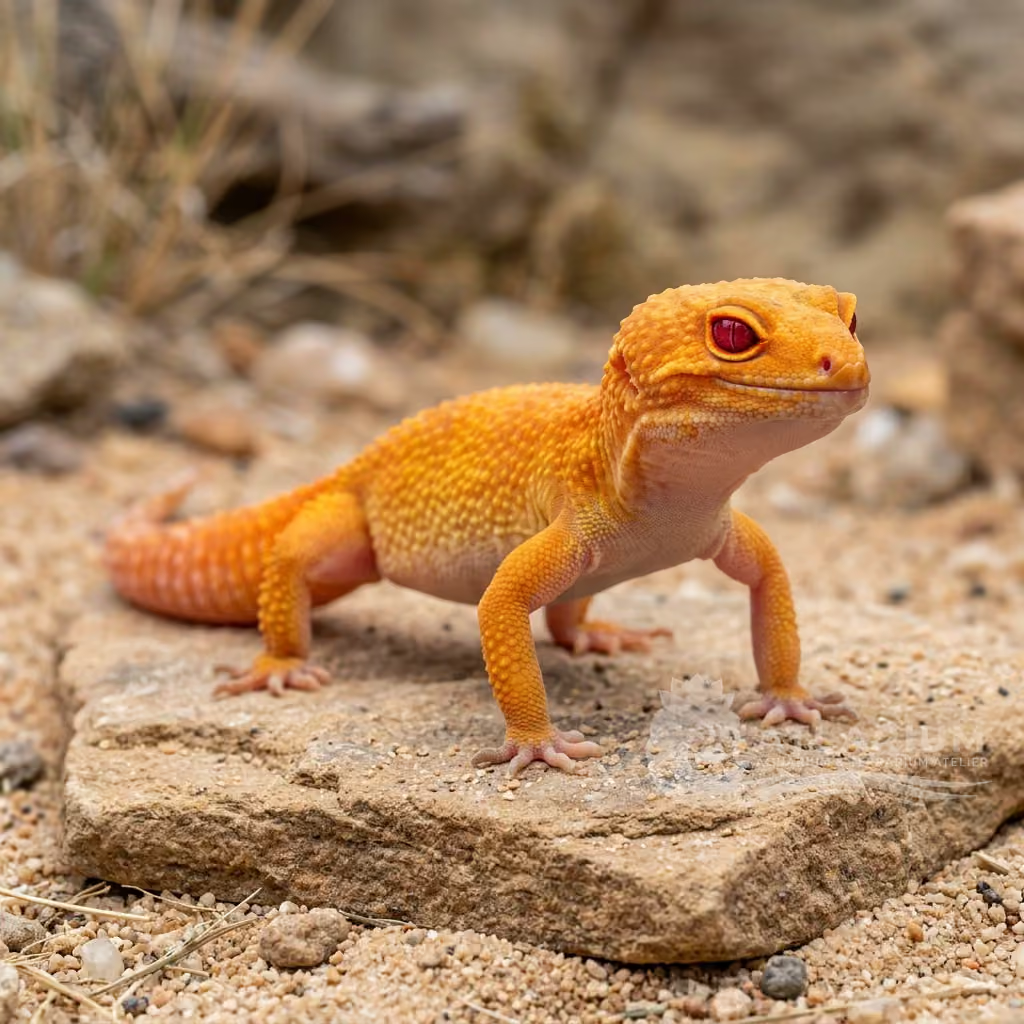
Wood Gecko (Eastern Stone Gecko)
Diplodactylus vittatus
The Wood Gecko or Eastern Stone Gecko is a small, hardy terrestrial gecko native to Australia. Peaceful and nocturnal, it features a characteristic zig-zag dorsal stripe.
Ambiente
Terrestre
Umidade
30 - 50 %
Temperatura diurna
32 - 34 °C
Temperatura ambiente
28 °C
Temperatura noturna
20 - 22 °C
Local para se aquecer
32 - 34 °C
Tamanho adulto
9 cm
Gabinete mínimo
>= 80 L

Descrição da espécie
Geographical Origin and Habitat: Eastern and southeastern Australia. Inhabits open sclerophyll forests, dry Eucalyptus woodlands, and semi-arid regions. A strictly terrestrial species that hides under flat rocks and logs.
Taxonomy and Genetics: Family Carphodactylidae. Commonly known as the Eastern Stone Gecko or Wood Gecko. Features a dark gray or brown base color with an irregular, pale zig-zag dorsal stripe. Eyes are large and gold.
Behavior and Habits: Strictly nocturnal and terrestrial. A calm, hardy species that is easy to handle. They patrol the substrate at night. They can raise their body and secrete a fluid from their tail if threatened.
Morphology: Small (9-10 cm), stocky, and robust. They lack adhesive toe pads and cannot climb glass. They have a short, plump tail used to store fat. Sexes are distinguished by hemipenal bulges in males.

Cuidado, criação e companheiros de tanque
Terrarium Setup: Horizontal desert/steppe terrarium (minimum 45x45x30 cm for a small group). Use a dry clay-sand-soil mix substrate. Provide flat stacked rocks and branches for hides.
Lighting and Heating: Keep warm temperatures with a day hot spot of 32-34°C, a cool zone of 24-26°C, and night drop to 20-22°C. Provide low 2-5% UVB lighting.
Humidity and Hydration: Keep humidity low (30-50%). Providing a humid hide filled with damp sphagnum moss is vital for shedding and hydration. Mist a corner of the tank twice a week.
Feeding and Supplementation: Insectivorous. Feed crickets and small roaches. Dust prey with calcium at every feeding, and D3 once or twice a week. Provide a shallow water dish.
Compatibility: Peaceful. Can be kept in small groups (1 male, 2-3 females). Never house males together.
Health and Common Diseases: Prone to tail loss (autotomy) if grabbed. Ensure proper calcium supplementation to prevent metabolic bone disease. Check toes for stuck shed.

Origem e distribuição geográfica
Eastern and southeastern Australia. Inhabits open sclerophyll forests, dry Eucalyptus woodlands, and semi-arid regions. A strictly terrestrial species that hides under flat rocks and logs.
Origem
Austrália, Nova Guiné e Oceania

Perfil de réptil
- Dieta
- Insectivore
- The Eastern stone gecko is strictly insectivorous, feeding on a variety of small invertebrates. In captivity, their diet should consist of appropriately sized crickets, roaches, and mealworms. All feeder insects must be properly gut-loaded prior to feeding to ensure optimal nutrition. Additionally, prey items should be dusted with calcium and vitamin D3 supplements regularly. Providing a diverse array of insects helps prevent dietary deficiencies.
- Expectativa de vida
- 5-8 years
- Tamanho adulto
- 9 cm
- Estilo de vida/Microhabitat
- Terrestrial
- Diplodactylus vittatus leads a largely terrestrial lifestyle, though they possess some semi-arboreal capabilities. They spend the vast majority of their time navigating the ground level of dry woodlands, rocky outcrops, and scrublands. While they can climb low rocks and branches, they are not specialized for high canopy living. Their natural habitats often feature sandy or gravelly soils mixed with debris where they can find refuge.
- Ciclo de atividades
- Nocturnal
- These geckos are strictly nocturnal, becoming active only after the sun sets. The cover of darkness provides them protection from extreme daytime heat and visual predators while they hunt. During the day, they remain well hidden under rocks, fallen logs, or leaf litter. They may occasionally be seen briefly at dawn or dusk as they transition to or from their hiding spots.
- Socialidade
- Solitary
- Eastern stone geckos are generally docile but can exhibit skittish behavior when startled. They are primarily solitary creatures, though they can sometimes be housed in pairs or small groups if given ample space and visual barriers. Like many geckos, they utilize their thick tails to store fat reserves for times of scarcity. When heavily threatened or grabbed, they are capable of dropping their tails (autotomy) to distract predators, which will eventually regenerate.
- Reprodução
- Oviparous
- This species is oviparous, meaning they reproduce by laying eggs. Females typically lay small clutches consisting of two soft-shelled eggs at a time. The eggs are carefully buried in slightly moist, soft substrate to protect them from desiccation and predators. Incubation generally lasts between 60 to 90 days, largely dependent on the ambient temperature. Once hatched, the miniature geckos are completely independent and require no parental care.
- Tolerância de tratamento
- Display only
- Due to their small size and delicate nature, handling should be kept to an absolute minimum. They can be quite flighty, and stressful handling increases the risk of them dropping their tails. If handling is absolutely necessary, use the 'treadmill' method by letting them walk continuously from one hand to the other. Always keep your hands close to a soft surface or the floor to prevent injury in case they suddenly jump.
- Brumação
- In their natural habitat, these geckos may undergo a period of brumation during the cooler winter months. This involves a natural reduction in activity, metabolism, and appetite. In captivity, keepers may simulate this cycle by slightly lowering ambient temperatures and reducing photoperiods. It is crucial to gradually stop feeding them prior to and during this cooling phase so that food does not rot in their inactive digestive tracts.
- Muda
- Regular
- Like all reptiles, Eastern stone geckos shed their skin periodically as they grow and to maintain healthy scales. To facilitate a smooth shedding process, a localized humid hide containing damp moss or paper towels should always be provided. Keepers must check the gecko's toes and tail tip after a shed, as retained skin can act like a tourniquet and restrict blood flow. If stuck shed is found, it must be gently removed after soaking the area.

Espécies relacionadas
Recomendações agrupadas por parentes próximos, escolhas de acompanhantes e cuidados semelhantes.