Ghost Mantis
Phyllocrania paradoxa
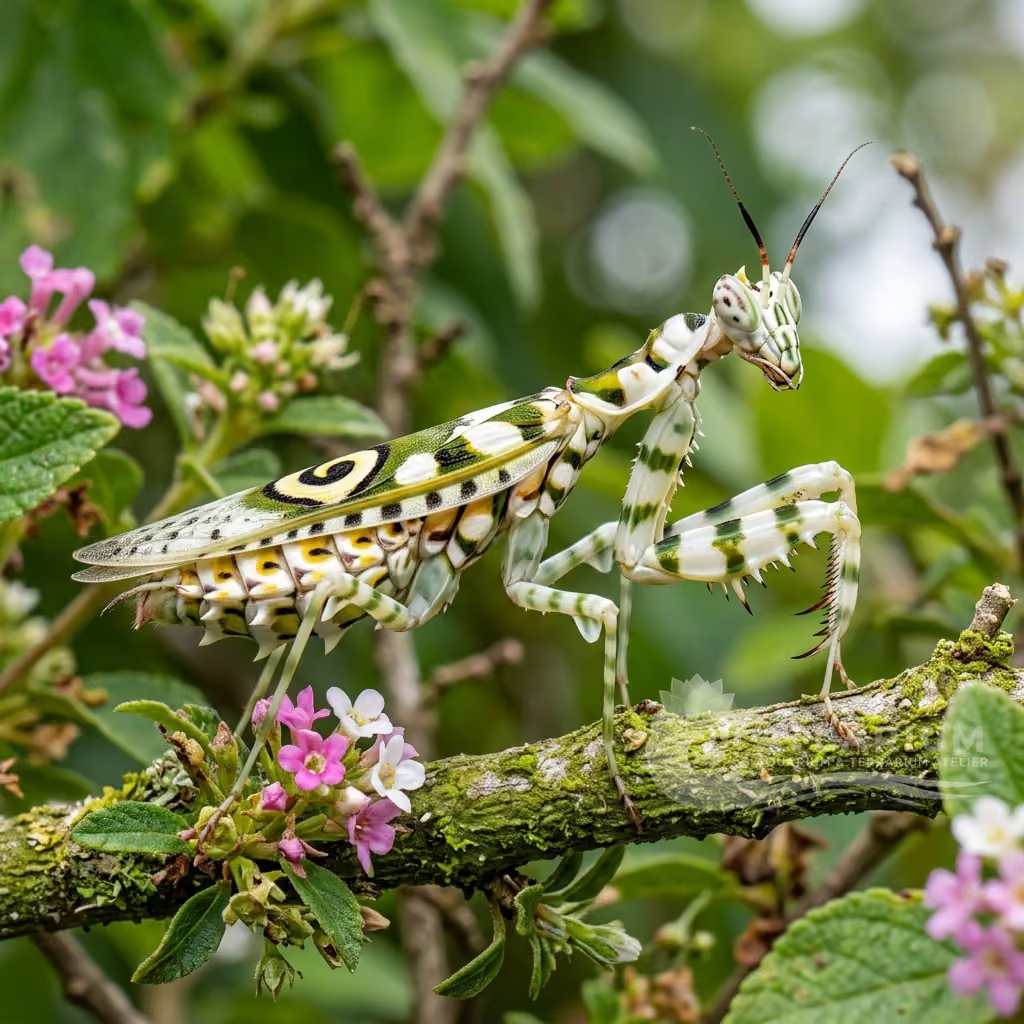
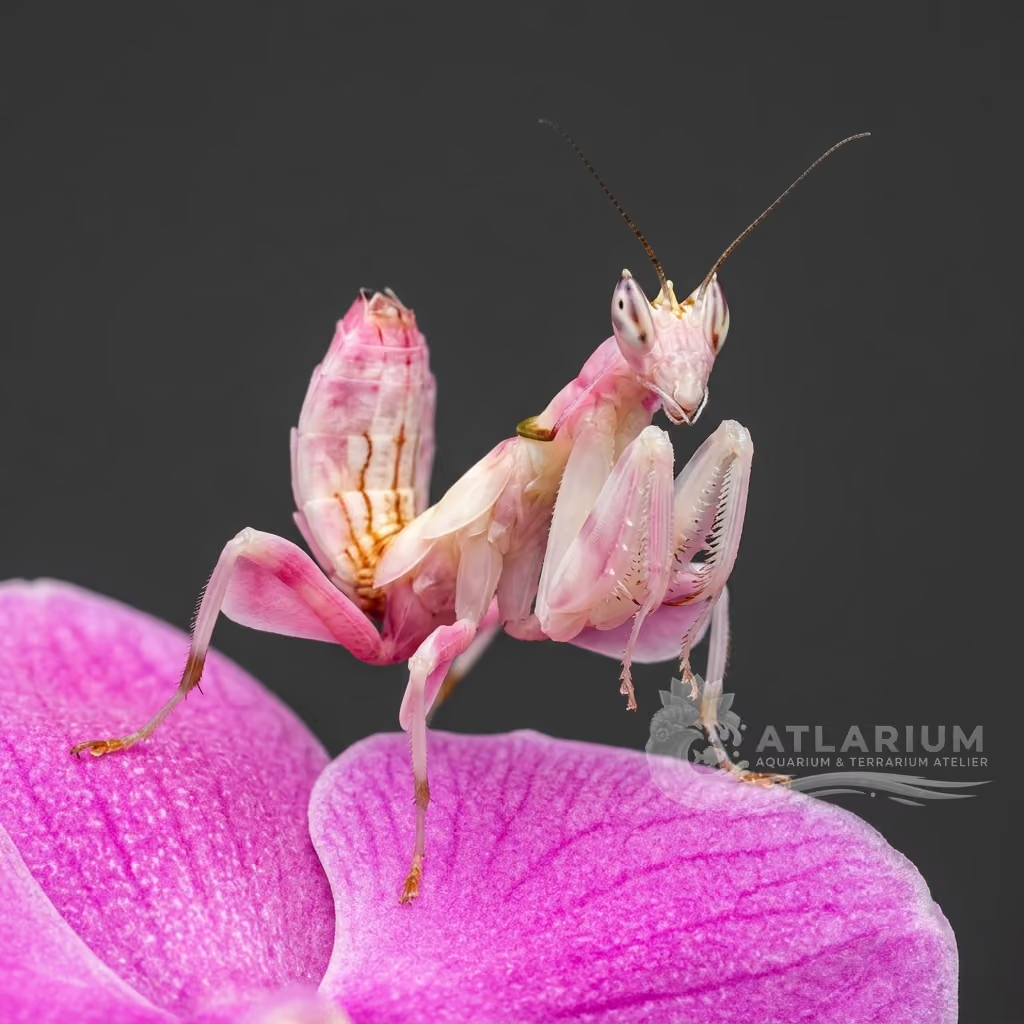
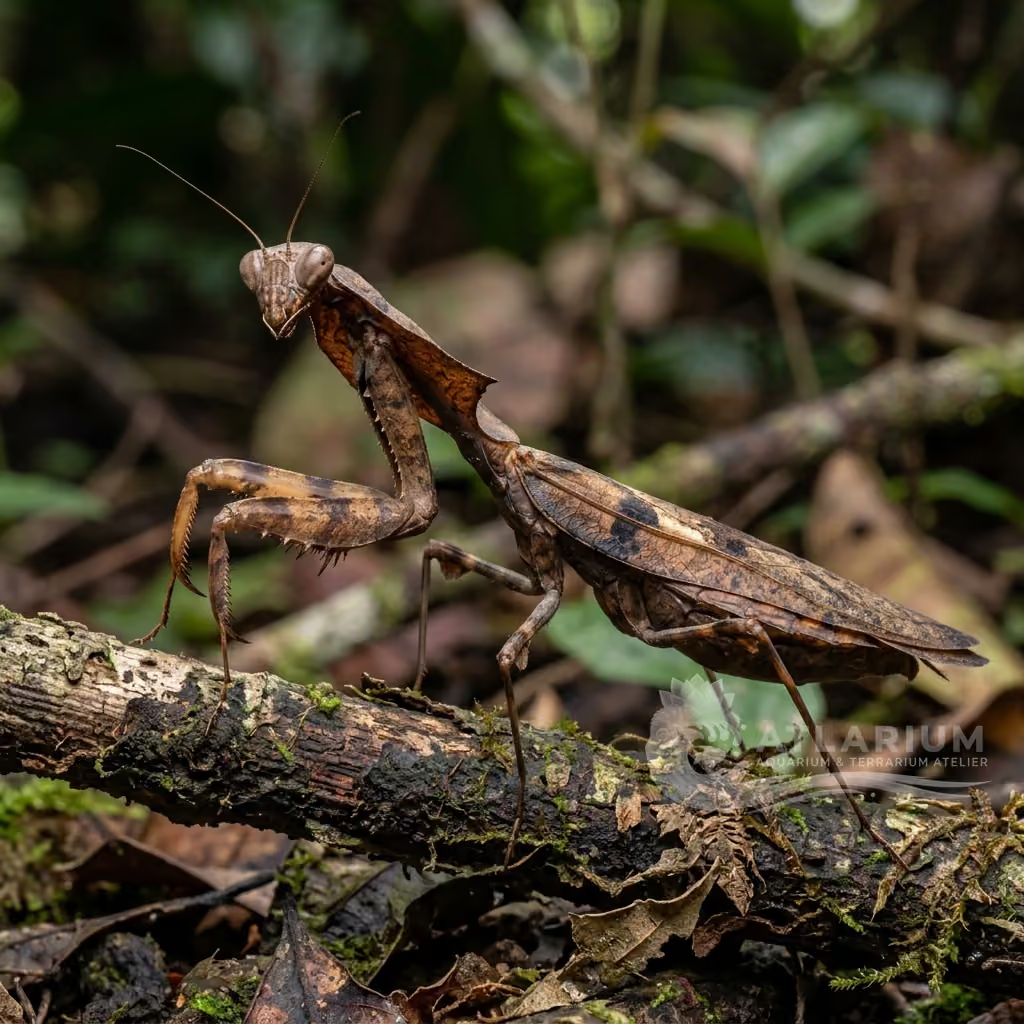
The Phyllocrania paradoxa, famous as the Ghost Mantis. It is one of the most iconic and bred mantises in the world thanks to its unparalleled camouflage: it looks exactly like a crumpled and rotting dry leaf (complete with veins, fake insect bites and irregular edges) with a flashy asymmetrical 'horn' on the head. Relatively small (1.6-2 inches), it is exceptionally long-lived and peaceful. Unlike almost all other mantises, it shows unprecedented communal tolerance: it can be bred in small groups without cannibalism (if well fed). Loves dry air and very hot temperatures. Feeds exclusively on soft flying prey (drosophila and flies), ignoring crickets and roaches on the ground.
Terrestre
50 - 60 %
24 - 28 °C
20 - 22 °C

Description de l'espèce

Soins, reproduction et cohabitation

Origine et répartition géographiques
Origine

Profil d'invertébré terrestre
- Régime alimentaire
- Insectivore
- They specialize in hunting flying insects. While they can catch crawling prey, their natural instinct is to snatch flies, moths, and small winged insects out of the air. A diet consisting primarily of blue bottle flies, green bottle flies, and fruit flies is highly recommended for success.
- Taille adulte
- 5 cm
- Mode de vie/microhabitat
- Arboreal
- Highly arboreal and specialized, they mimic dead, dry leaves. Their natural habitat consists of dry bushes, shrubs, and trees in Sub-Saharan Africa. Captive enclosures must focus heavily on providing very thin twigs, dried leaves, and artificial vines that match their cryptic brown, green, or black coloration.
- Cycle d'activité
- Diurnal
- The Ghost Mantis is diurnal, spending its days patiently hanging motionless from twigs or leaves. Its extreme camouflage relies entirely on it staying perfectly still to mimic a desiccated leaf blowing in the wind. Activity is generally restricted to slow creeping or sudden strikes when prey comes near.
- Sociabilité
- Gregarious
- Remarkably, the Ghost Mantis is one of the few mantis species that can be housed communally with a high degree of success. As long as they are of similar size, provided with ample space, numerous visual barriers, and an abundance of flying prey, cannibalism is extremely rare.
- Reproduction
- Oviparous
- Breeding is generally straightforward, with a significantly lower risk of sexual cannibalism compared to other species. Males are easily introduced to females. The female will lay numerous long, dark, and highly camouflaged oothecae directly onto branches, each yielding 20 to 50 tiny, ant-mimicking nymphs.
- Venimeux
- No
- Tolérance aux manipulations
- Tolerant
- They are easily stressed and fragile compared to larger mantis species. Handling should be kept to an absolute minimum. Because they rely heavily on camouflage, being placed in an open hand often causes them to feign death (thanatosis) or scramble erratically to find cover.
- Brumation
- Non requise
- Hailing from the warm climates of Madagascar and Sub-Saharan Africa, they do not require, nor tolerate, brumation. They thrive in consistently warm conditions with moderate fluctuations in humidity. Extended exposure to cold temperatures will quickly lead to lethargy, digestive failure, and death.
- Mue
- Regular
- Molting is exceptionally delicate due to their intricate, leaf-like appendages on their legs and head (the asymmetric cone). Proper vertical space and a highly textured surface for gripping are mandatory. Slight increases in humidity help, but stagnant, excessively wet conditions can cause fatal respiratory issues.

Espèces associées
Recommandations regroupées par proches parents, compagnons et soins similaires.