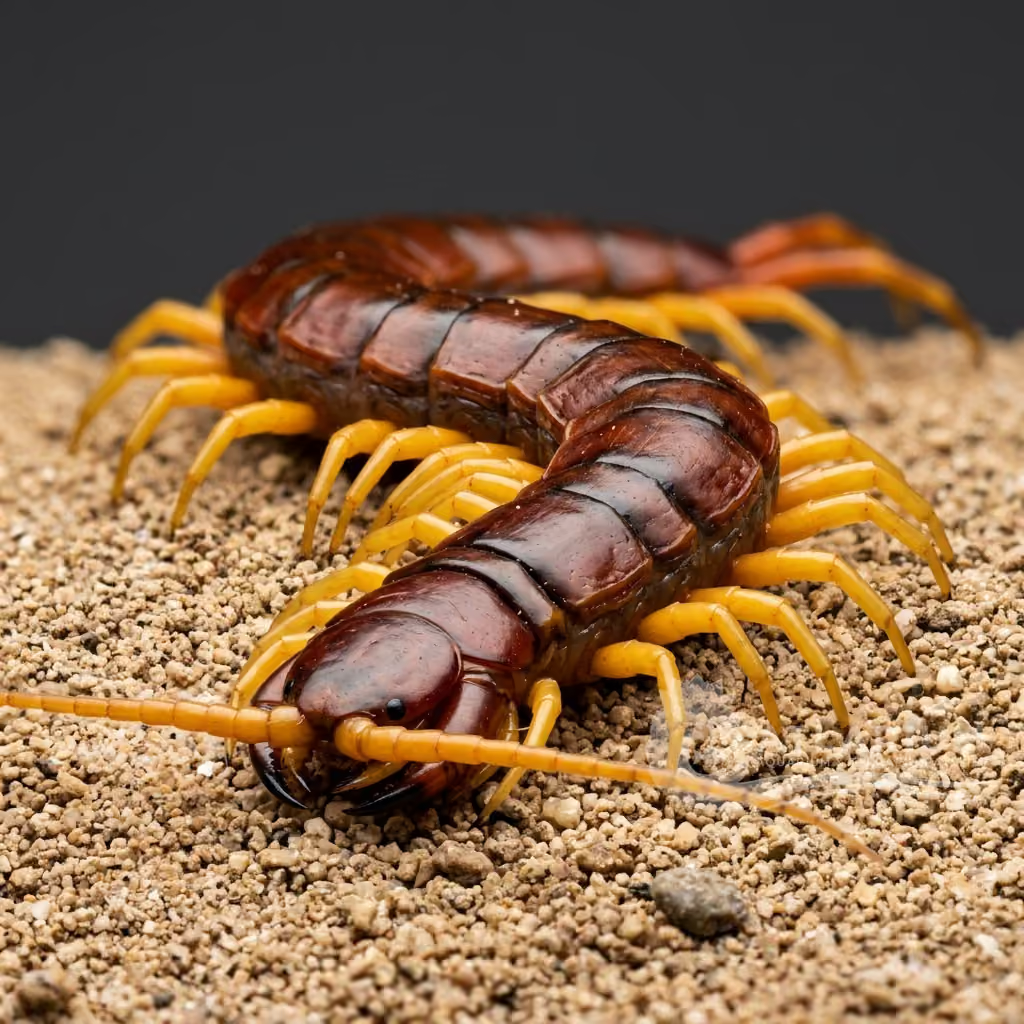
Two-spotted Assassin Bug (Platymeris biguttatus)
Platymeris biguttata
The Platymeris biguttatus, or Two-spotted Assassin Bug. It is one of the most ferocious and fascinating arthropods that can be bred: a giant (1.6 inches) glossy black 'Predatory Bug' with two unmistakable white spots on the wings. It is a social death machine: unlike mantises, these predators live in large cooperative colonies, hunting huge roaches or crickets in packs, harpooning and paralyzing them instantly with a lethal enzyme-injecting rostrum (proboscis). Handling with bare hands is strictly forbidden: the sting inflicts an indescribable excruciating pain to the human being (one of the most painful insect bites in the world), accompanied by extreme swelling. They can also spray caustic defensive acid into the eyes at distances of 12 inches. Very easy breeding (hot and dry) for strictly expert hands.
Terrestrisch
50 - 60 %
24 - 28 °C
20 - 22 °C

Artbeschreibung

Pflege, Zucht und Mitbewohner

Geografische Herkunft und Verbreitung
Ursprung

Profil der terrestrischen Wirbellosen
- Diät
- Insectivore
- The diet of Platymeris biguttata requires careful consideration to ensure optimal health. In captivity, a varied and appropriately sized selection of food items is necessary to mimic their natural intake. Keepers must provide a balanced feeding schedule and consider nutritional supplements. Proper hydration alongside the diet is also crucial for their digestion. Understanding these dietary needs is fundamental to successful husbandry.
- Erwachsenengröße
- 3.8 cm
- Lebensstil/Mikrohabitat
- Terrestrial
- The lifestyle of Platymeris biguttata is perfectly suited to its natural habitat, dictating its physical and spatial needs. Whether they are climbers, burrowers, or ground-dwellers, their enclosure must reflect these requirements. Providing ample space and correct structural elements is necessary to accommodate their daily routines. A proper setup not only ensures physical health but also encourages natural exploration. Simulating their native lifestyle is the cornerstone of excellent husbandry.
- Aktivitätszyklus
- Nocturnal
- The activity pattern of Platymeris biguttata is closely linked to natural diurnal or nocturnal cycles. They exhibit peak periods of movement and foraging that align with their instinctual rhythms. Maintaining a consistent day-night light cycle in their enclosure is essential for their health. Disruptions to this routine can cause lethargy and affect their feeding response. A well-regulated environment ensures they remain active and healthy.
- Sozialität
- Gregarious
- While they can be kept communally under certain conditions, they are notoriously cannibalistic, especially if food or space is scarce. If housed together, it is absolutely essential to provide a very spacious enclosure with abundant hiding spots, visual barriers, and a constant, generous supply of feeder insects to minimize predation among conspecifics.
- Reproduktion
- Oviparous
- The reproductive processes of Platymeris biguttata are fascinating and require specific environmental cues. Successful breeding often depends on precise temperature, humidity, and lighting adjustments. Mating behaviors can be complex, requiring careful observation to ensure the safety of the animals. Once successful, proper care for the resulting eggs or offspring is paramount. Dedicated breeders can achieve rewarding results by mimicking their natural habitat.
- Giftig
- Yes
- Handhabungstoleranz
- Expert only
- Handling Platymeris biguttata should be approached with caution, respect, and proper technique. Unnecessary manipulation can induce stress, so it is best kept to a minimum or during essential health checks. When handling is required, slow and supportive movements are crucial to prevent injury. Ensuring a safe, calm environment during these brief periods protects both the animal and the handler. Always observe the animal's body language to gauge its comfort level.
- Brumation
- Nicht erforderlich
- The brumation or resting period for Platymeris biguttata is an important biological phase tied to seasonal changes. During this time, they may exhibit a significant decrease in activity and appetite. Keepers should carefully research the specific environmental triggers needed to safely induce and end this phase. Monitoring weight and overall condition before and during brumation is vital. This resting period often plays a key role in their long-term health and reproductive success.
- Häutung
- Regular
- The shedding or molting phase is a delicate time for Platymeris biguttata that requires specific environmental conditions. Maintaining adequate humidity is essential to help them shed their old skin completely and without complications. Retained skin can lead to serious health issues if not addressed promptly by the keeper. Observing pre-molt signs, such as dull coloration or behavioral shifts, allows for timely adjustments. A successful molt is a strong indicator of good husbandry and animal health.

Verwandte Arten
Empfehlungen gruppiert nach nahen Verwandten, Auswahl von Begleitern und ähnlicher Betreuung.