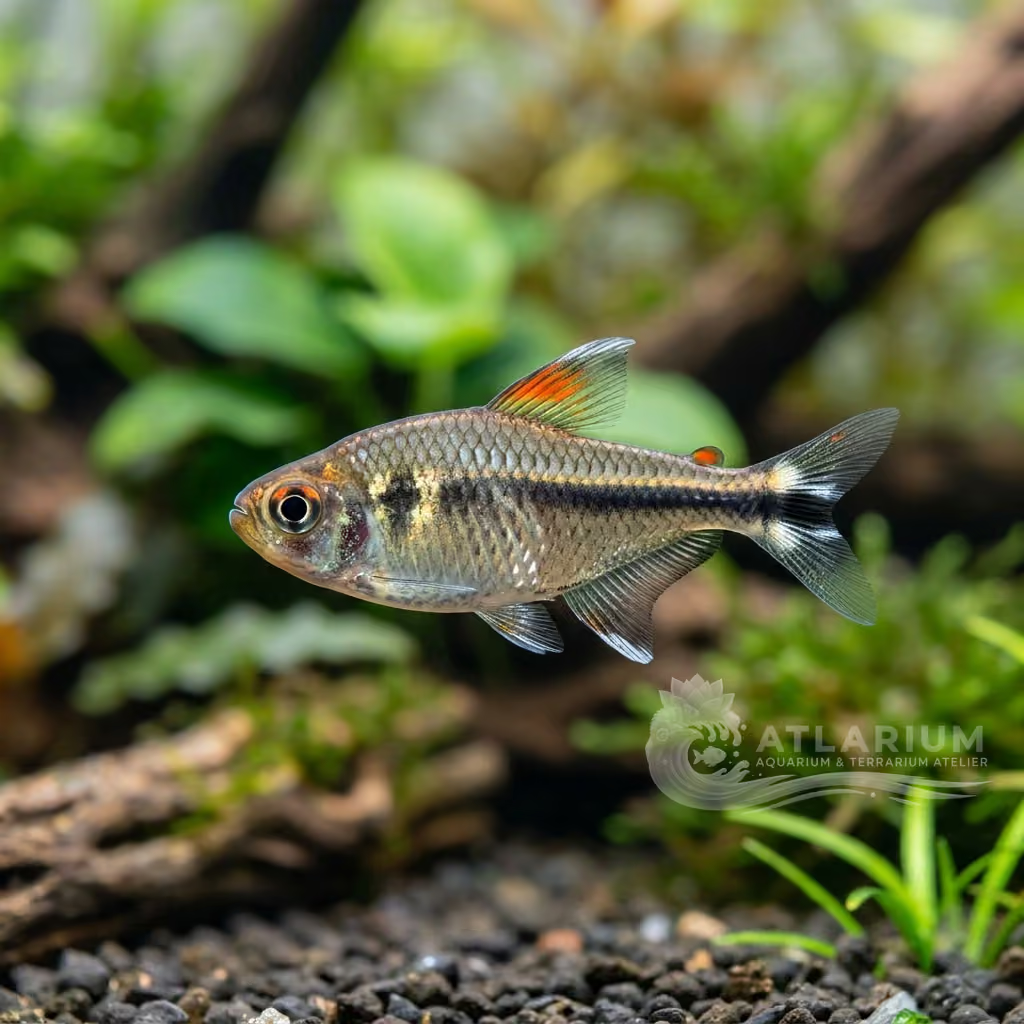
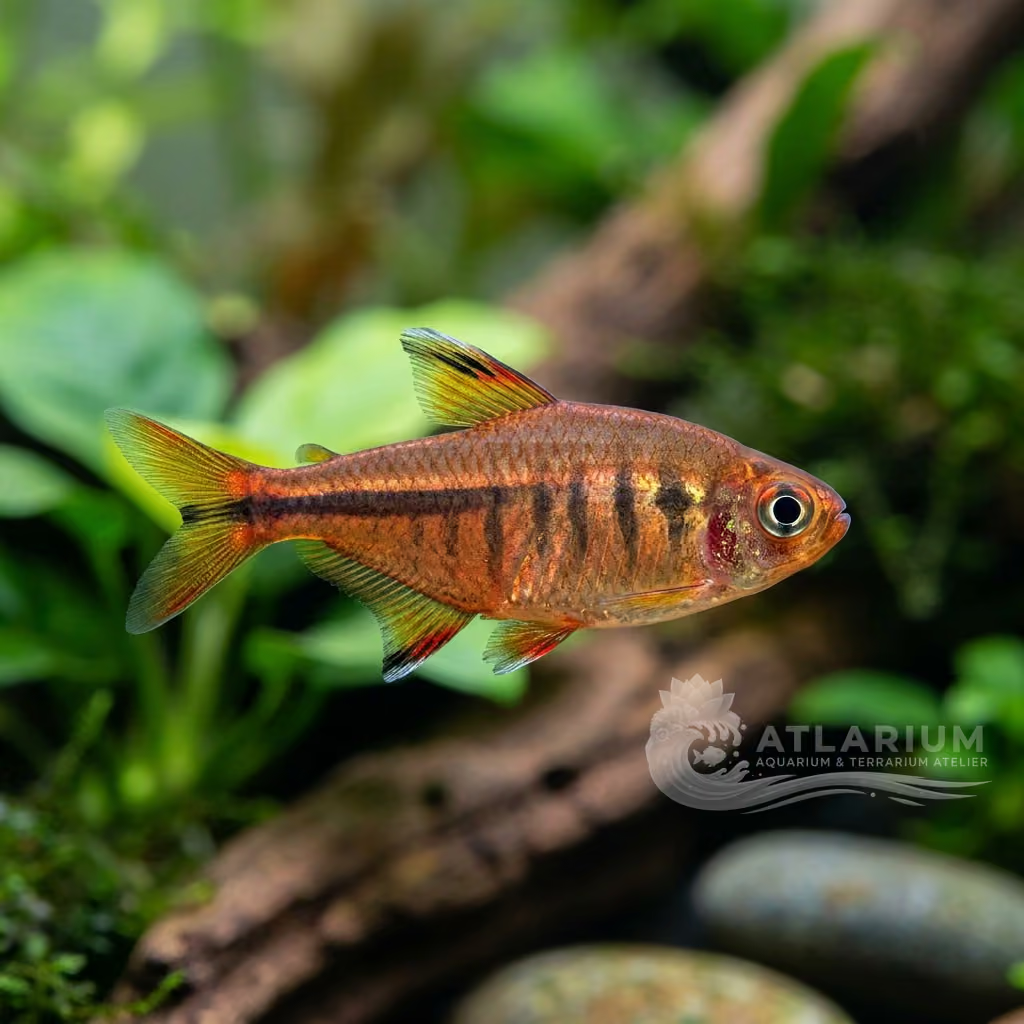
Yellow tetra
Hyphessobrycon bifasciatus
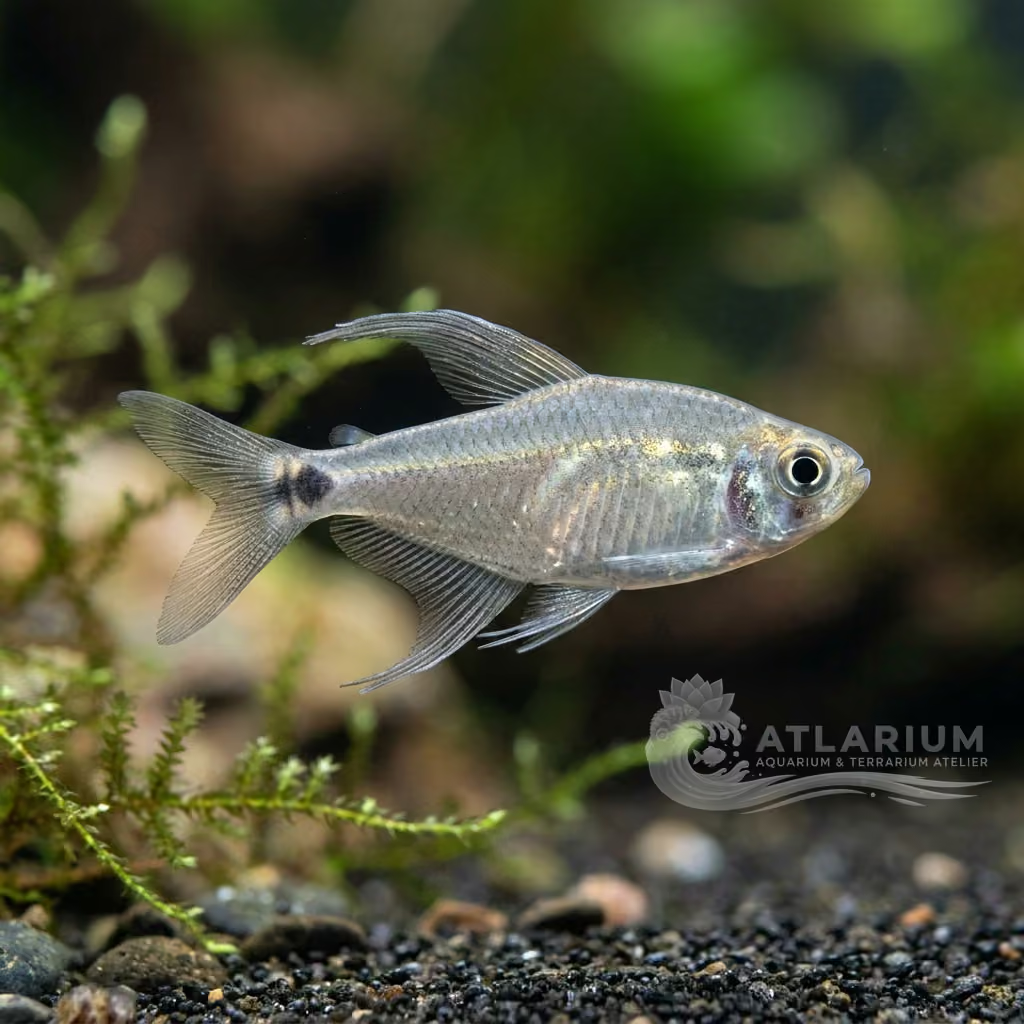
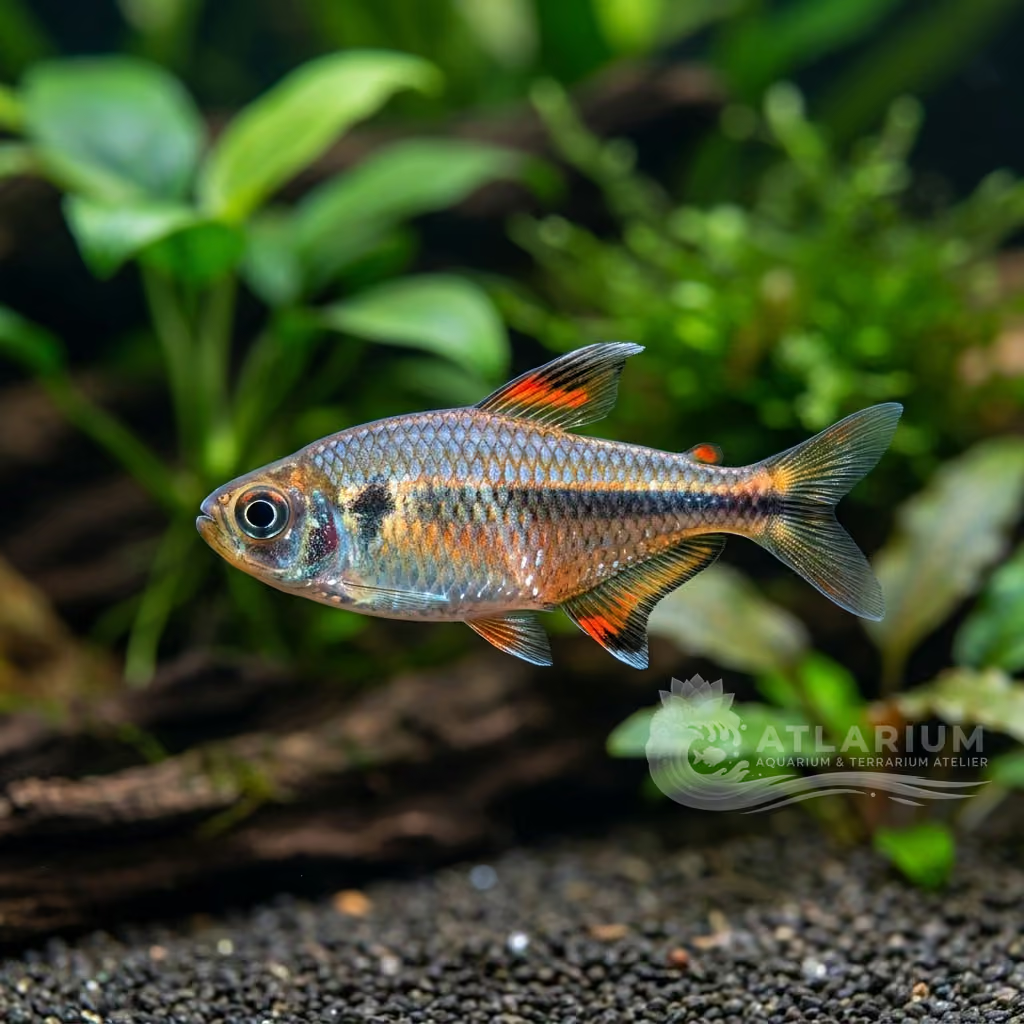
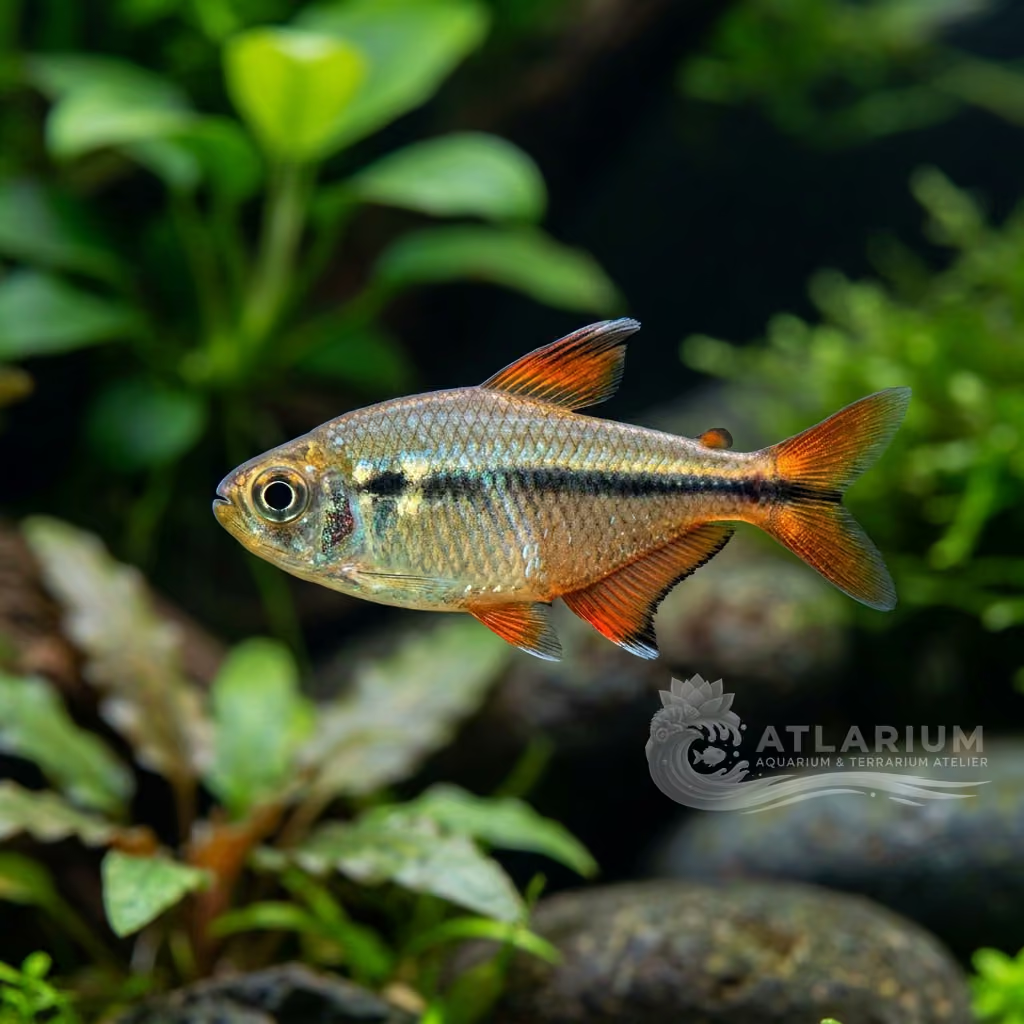
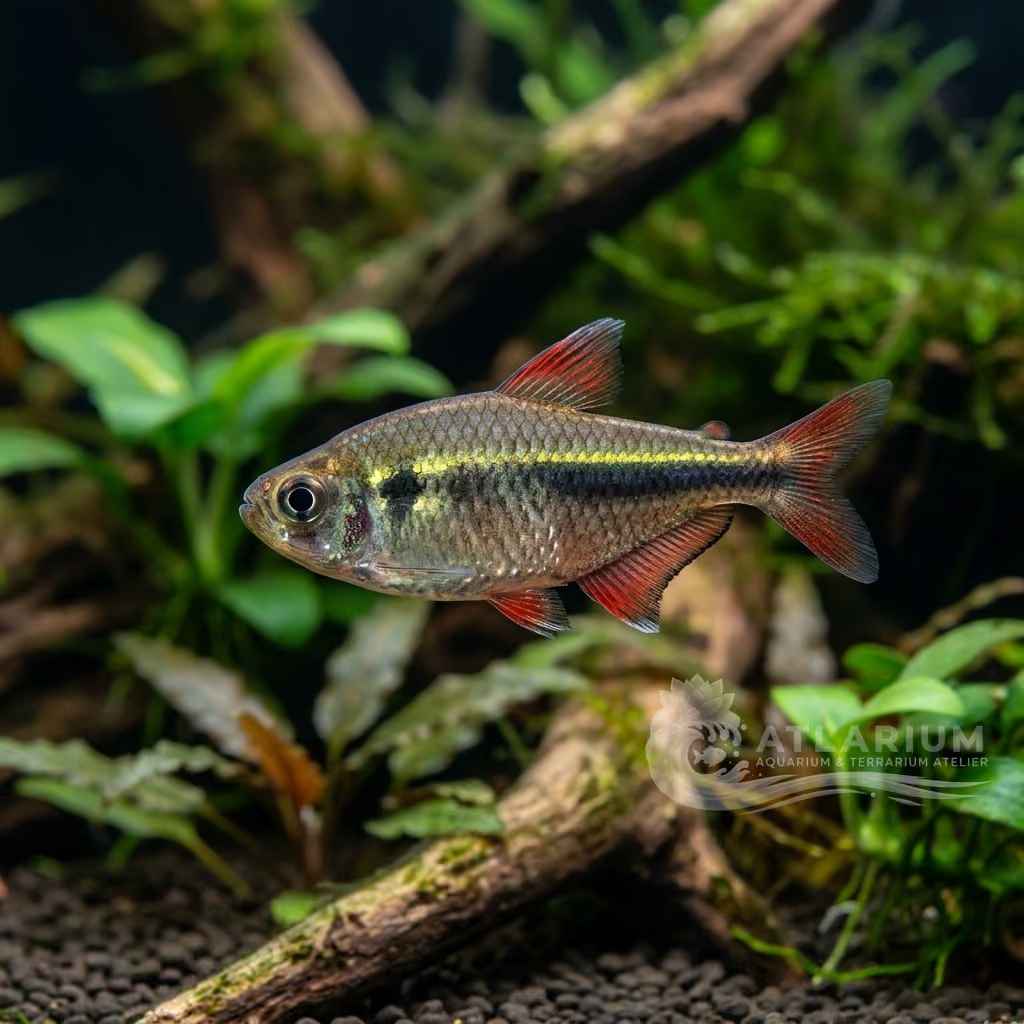
A tetra with golden-yellow hues glowing on fins and silver body, with two thin dark lateral bands. Native to coastal river systems of southeastern Brazil, it is a robust, adaptable tetra that tolerates a wide parameter range. Peculiarity: wild specimens may show golden coloration caused by a trematode parasite of the natural biotope — a harmless, purely aesthetic phenomenon absent in captive-bred specimens. Prefers slightly cooler temperatures (20–25 °C) than the tropical average. Breeding among the easiest for characids.
21 - 26 °C
5.5 - 7.5
Água doce
Meio
4,7 cm
>= 55 L
>= 6
7 - 40 dGH
3 - 20 dKH
135 - 800 ppm
211 - 1.250 uS/cm

Descrição da espécie

Cuidado, criação e companheiros de tanque

Origem e distribuição geográfica
Origem

Perfil de peixe
- Temperamento
- Peaceful
- This is a highly peaceful and somewhat shy species that thrives in a calm environment. They are a schooling fish that relies on the presence of conspecifics to feel safe and exhibit their best behavior. When kept in sufficiently large groups, they are active and inquisitive without ever bothering tank mates.
- Dieta
- Omnivore
- This species is an opportunistic omnivore that will easily accept a wide variety of aquarium foods. A staple diet of high-quality flakes or pellets should be provided daily. For optimal health and coloration, supplement with frozen or live foods such as bloodworms and brine shrimp.
- Expectativa de vida
- 3-5 years
- Tamanho adulto
- 4.7 cm
- Proporção sexual
- School
- Maintaining a proper sex ratio is less critical for this species compared to some others, as they are a schooling fish. Keeping them in groups of at least eight to ten individuals ensures natural behavior and reduces stress. Having a mix of males and females can help diffuse any minor squabbles among displaying males.
- Frequência de alimentação
- Twice daily
- These active fish benefit from multiple small feedings throughout the day rather than one large meal. Feeding them two to three times daily with amounts they can consume in under two minutes is ideal. This schedule helps prevent bloating and keeps water parameters stable by reducing uneaten food.
- Carga biológica
- Low
- This species produces a very minimal bioload due to its small physical size. It is highly suitable for smaller aquariums or heavily planted setups. However, standard filtration and regular water changes remain essential.
- Fluxo
- Strong
- Originating from slow-moving tributaries and forested pools, they prefer gentle to moderate water currents. High flow environments can quickly exhaust these fish and cause them significant stress. A sponge filter or a baffled hang-on-back filter provides the perfect amount of water movement.
- Risco de salto
- No
- Reprodução
- Oviparous
- They are egg scatterers that do not provide any parental care to their offspring after spawning. To encourage breeding, a separate tank with soft, slightly acidic water and fine-leaved plants is required. Once eggs are laid and fertilized, the adult fish must be removed promptly to prevent them from eating the eggs.
- Compatibilidade e companheiros de tanque
- Community
- This species is exceptionally peaceful and does well in community tanks with other small, non-aggressive fish. They should never be kept with large or boisterous species that might view them as food. Ideal tank mates include small rasboras, Corydoras catfish, and peaceful dwarf cichlids.
- Nível do tanque
- Middle
- This species primarily occupies the middle region of the aquarium water column during normal activities. They are active swimmers that appreciate ample open swimming space in the center of the tank. They will frequently dart in and out of plant thickets or hardscape for cover when resting.

Modelos e parâmetros científicos
Acesso aos dados científicos oficiais da espécie
- Nível trófico
- 2,9 ± 0,3 se
- Resiliência
- Alta (menos de 15 meses)
- Unicidade filogenética (PD50)
- 0.5
- Relação bayesiana comprimento-peso
- a = 0.01202, b = 3.09
- VulnerabilidadeVulnerabilidade baixa (10 / 100)

Galeria de imagens
Imagens licenciadas vinculadas à espécie ou, quando marcadas, ao táxon representativo mais próximo.

Espécies relacionadas
Recomendações agrupadas por parentes próximos, escolhas de acompanhantes e cuidados semelhantes.